Jan 2, 2025
Vertical vs Horizontal: The Art of Landscape Photos and Paintings
When you think about art techniques, the methods artists use to create visual expression through color, form, and composition. Also known as visual art methods, it includes everything from brushwork to perspective—and it’s what turns a blank canvas into something that moves you. In 2025, these techniques aren’t just for galleries. They’re for anyone who’s ever tried to capture a sunset, sketch a tree, or paint a single apple and felt that spark of connection. The posts from this month show how real artists—beginners and pros alike—are using timeless methods to make sense of the world around them.
Take Van Gogh colors, the bold, emotional palette Vincent Van Gogh relied on, especially yellow and blue, to convey light and feeling in his work. Those aren’t just historical facts—they’re practical lessons. If you’re learning to paint, starting with two strong colors like he did teaches you how mood and contrast work better than any theory book. Then there’s landscape drawing, the process of capturing natural scenes using perspective, value, and focal points to create depth without overloading details. It’s not about drawing every leaf. It’s about understanding how light falls, where the eye rests, and how to suggest space with just a few lines. And if you’re new to oil painting for beginners, the process of using oil paints to build form, texture, and color slowly over time, often starting with simple subjects, you don’t need a studio. You need one apple, three tubes of paint, and the patience to let the layers dry.
Even sculpture art, three-dimensional works shaped from stone, metal, or modern materials that engage space and touch shows up here—not as a distant museum piece, but as something that connects us across centuries. From Michelangelo’s David to Chicago’s Cloud Gate, sculpture makes art something you can walk around, feel, and experience in real space. These posts don’t just list techniques—they show you why they still matter. Whether you’re trying to paint a mountain, mix the perfect shade of yellow, or carve your first form, the tools haven’t changed. What’s changed is that now, you have clear, step-by-step guidance from people who’ve been there.
What you’ll find below isn’t a random collection. It’s a roadmap—from the simplest oil painting subject to the deepest landscape illusions, from the emotional power of color to the physical presence of sculpture. No fluff. No theory without practice. Just what works, when you’re ready to try it yourself.
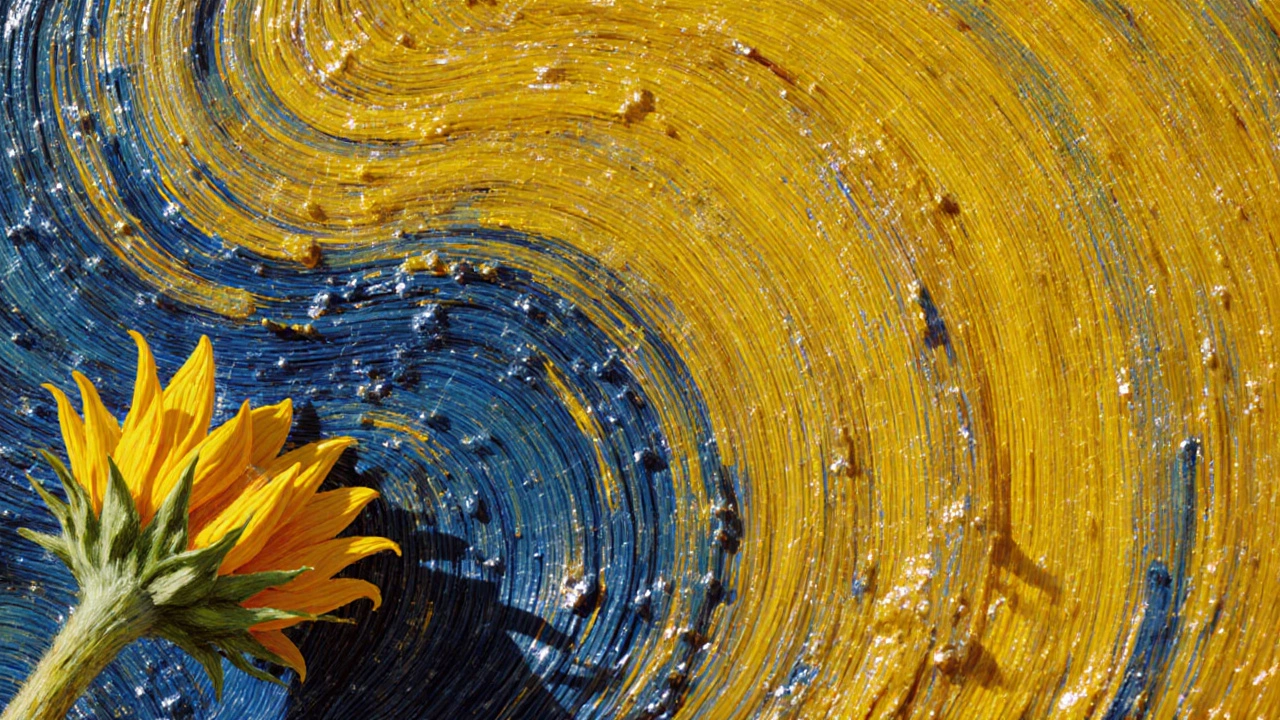
Vincent Van Gogh most often used yellow and blue in his oil paintings to express emotion, light, and depth. These colors defined his most famous works, from Sunflowers to The Starry Night.
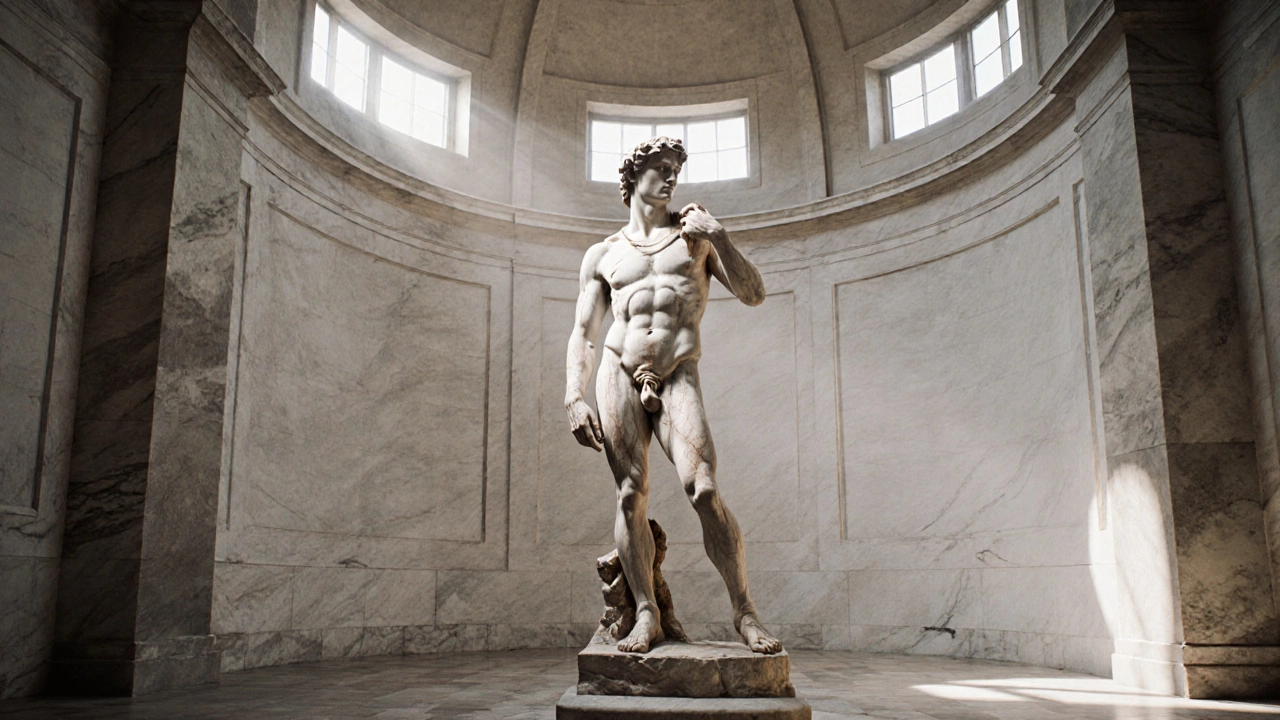
Discover iconic examples of sculpture art from Michelangelo's David to modern installations like Cloud Gate. Learn what makes sculpture unique and how it connects us across time and culture.
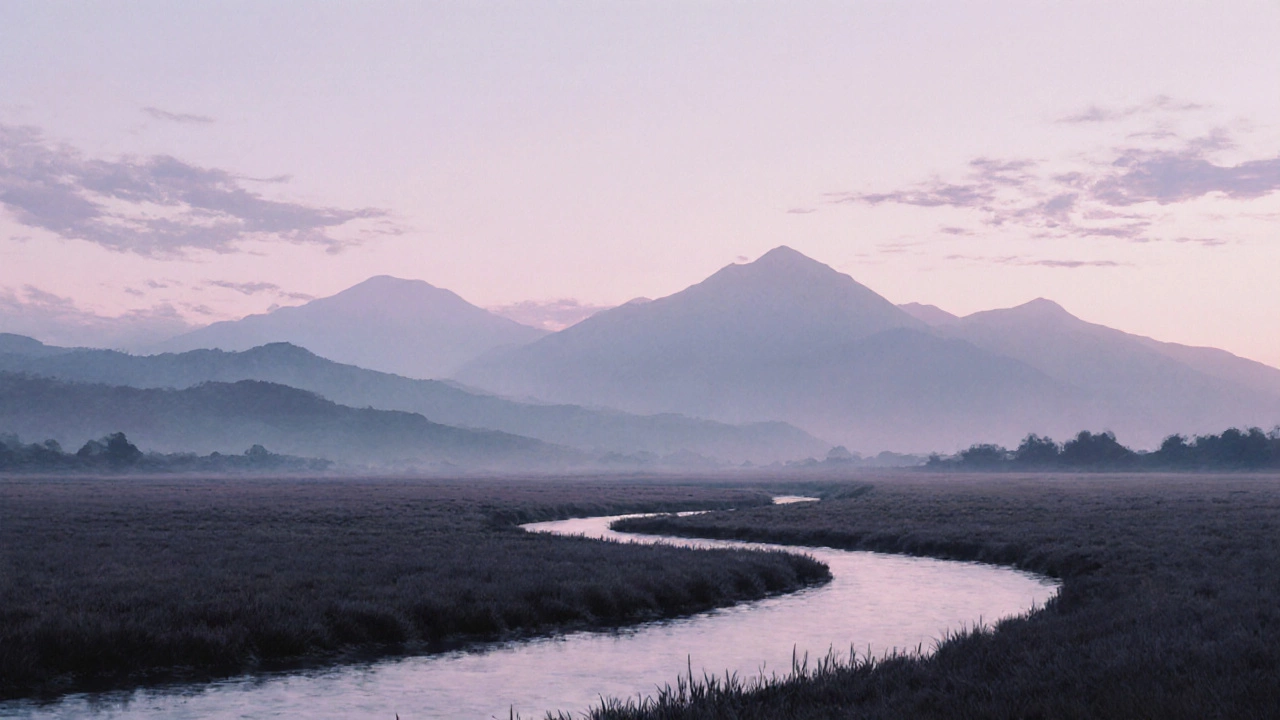
Learn the essential rules of drawing landscapes-from perspective and value to focal points and texture. These proven techniques help you create depth, mood, and realism without overworking details.
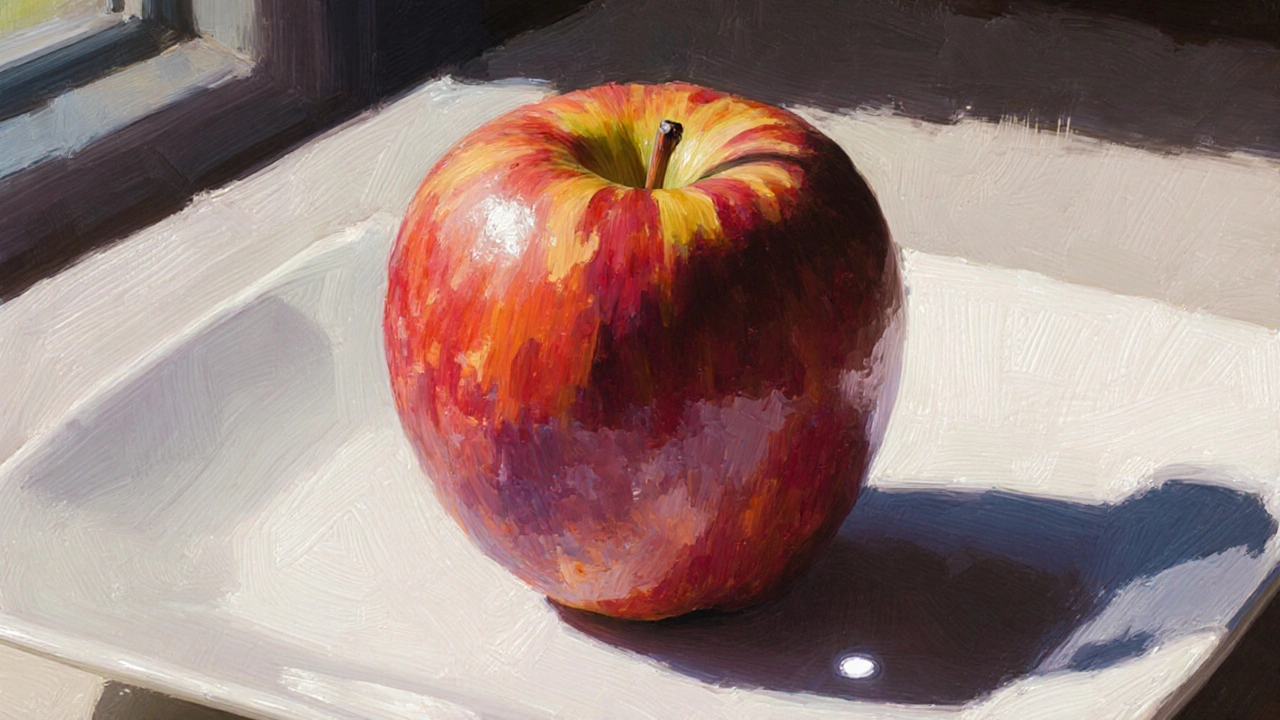
The easiest thing to paint in oil painting is a single apple. It teaches color, light, and form without overwhelming beginners. Start with three colors, one object, and patience.
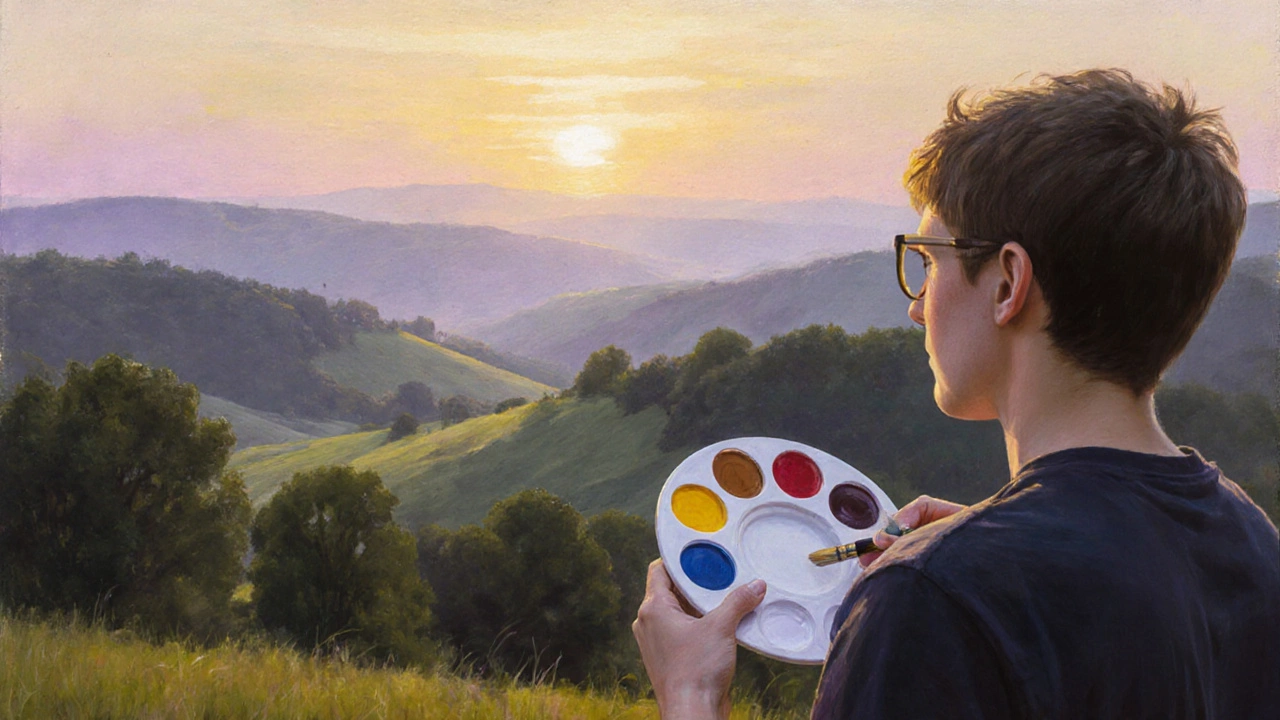
Learn how to paint realistic landscapes by focusing on light, value, and atmospheric perspective instead of details. Step-by-step techniques for beginners using oil or acrylics.

Spotify and Apple Music both offer millions of songs, but in 2025, the real difference is in sound quality, integration, and discovery. Here’s how they compare-and which one you should pick.