Adjust each factor and watch how it drives the final price — then get a quick sense of whether the print is fairly priced.
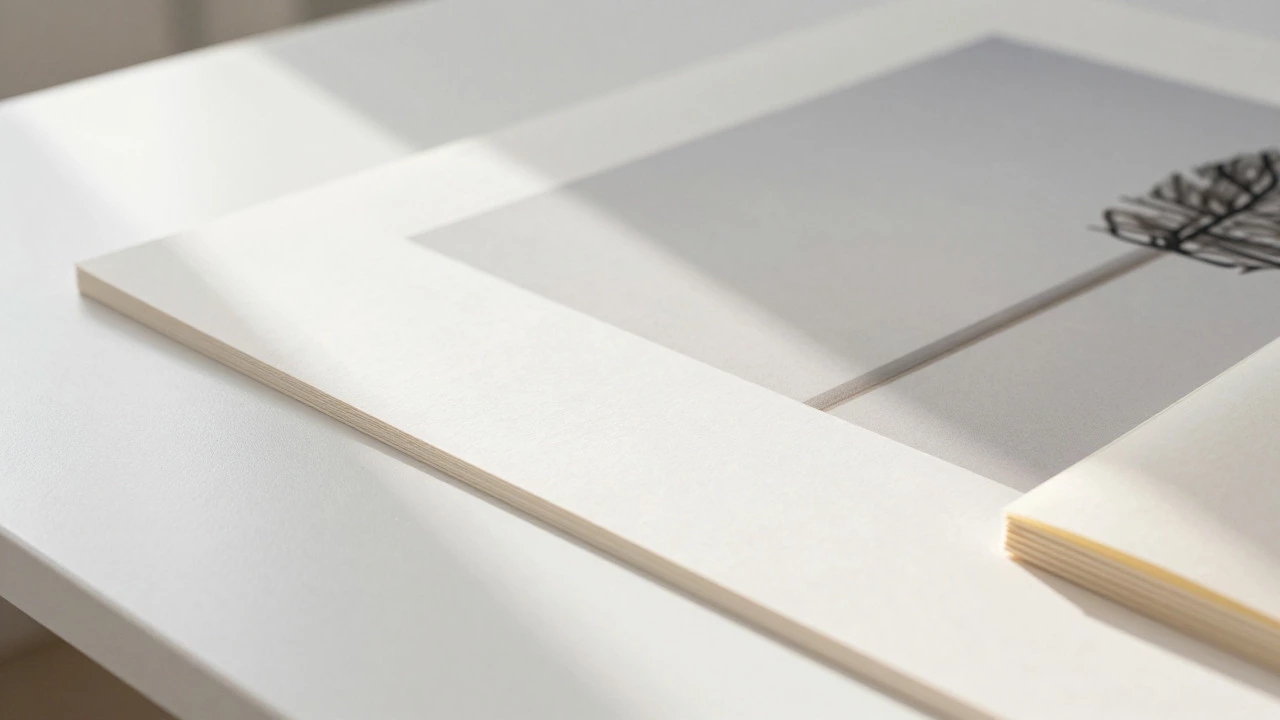
Cotton rag resists yellowing; wood pulp degrades faster.
Archival pigments last 75–100+ years vs. ~5–10 for dyes.
Smaller editions = more scarcity value. Open edition = 500+.
Walking into a gallery or scrolling through an online shop, you see a stunning art print is a reproduction of an original artwork created using various printing techniques to transfer the image onto paper or canvas. It looks identical to the painting on the wall, but the price tag makes your eyes water. Why does a piece of paper cost $500 when you could buy a poster for $10? It isn't just greed. The gap between a cheap mass-produced poster and a high-value art print comes down to three things: the materials, the technology, and the scarcity.
If you've ever wondered why one print is worth more than another, it usually comes back to the quality of the ink and the paper. A standard giclée print uses archival inks that are designed to last for decades without fading, whereas a standard inkjet printer at home might fade within five years. But the real money is often in the exclusivity. When an artist limits a run to 50 copies, they create artificial scarcity, which drives up the value for collectors who want something unique rather than just a decoration.
The Materials That Drive Up the Price
Let's start with the physical stuff. You can't put a premium image on cheap newsprint if you want it to last. High-end printers use fine art paper is a specialized, acid-free paper stock with high cotton content used to preserve the longevity and color accuracy of printed artworks. This paper is expensive because it’s made from long-fiber cotton, not wood pulp. Wood pulp contains acids that break down over time, turning yellow and brittle. Cotton paper stays white and stable for over 100 years under proper conditions.
Then there are the inks. Standard office printers use dye-based inks that are vibrant but fragile. Fine art printing uses pigment-based inks. These inks sit on top of the paper fibers rather than soaking in, which gives them better lightfastness. Lightfastness refers to how well a material resists fading when exposed to light. Archival pigments can maintain their color for 75 to 100 years, while cheap dyes might lose 30% of their vibrancy in a decade. If you’re buying a print to hang in a sunny room, this difference matters a lot.
| Material Type | Standard Poster | Fine Art Print |
|---|---|---|
| Paper Base | Wood Pulp / Newsprint | 100% Cotton Rag |
| Ink Type | Dye-Based | Pigment-Based (Archival) |
| Expected Lifespan | 5-10 Years | 75-100+ Years |
| Cost per Sheet | $0.50 - $1.00 | $8.00 - $25.00+ |
The Technology Behind the Ink
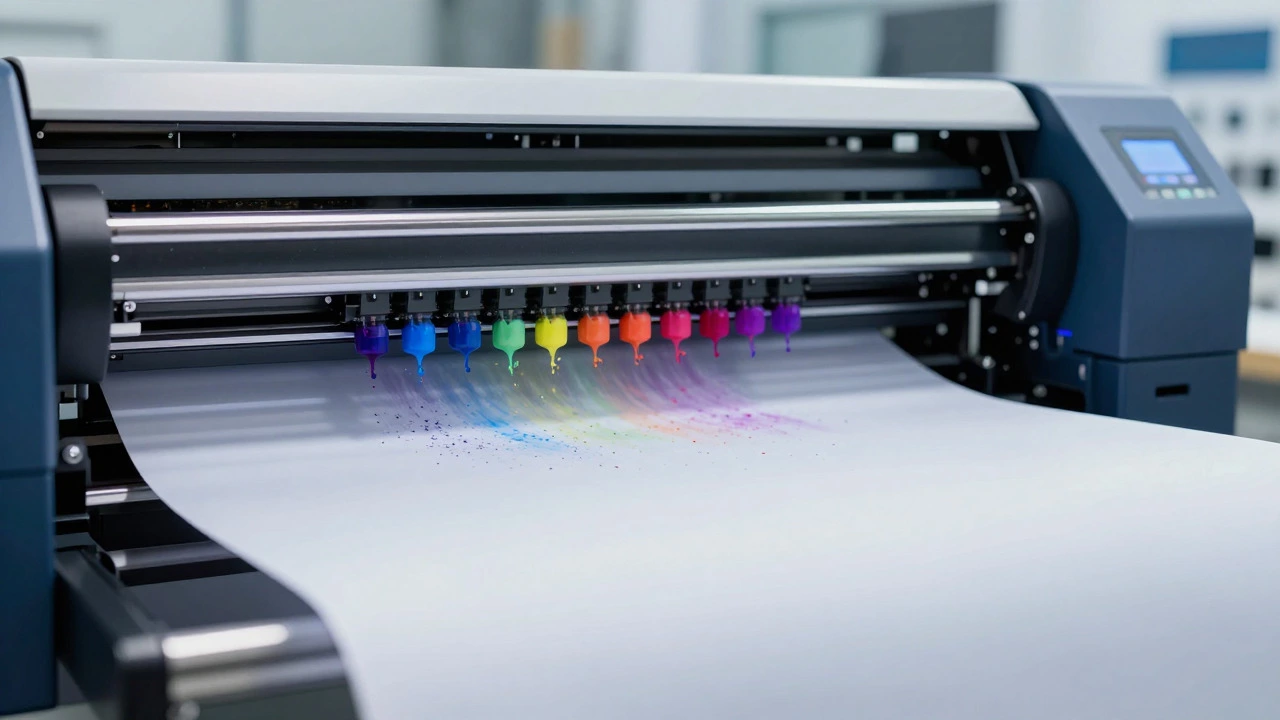
It’s not just about what you print on; it’s about how you print it. Most high-quality art prints are produced using large-format inkjet printers. These machines don’t just spray dots like your home printer. They use piezoelectric printheads that fire microscopic droplets of ink with extreme precision. Some professional printers, like those from Epson or Canon, have 12 or even 14 individual ink cartridges. Why so many? Because human eyes can distinguish subtle shifts in hue that a simple CMYK (Cyan, Magenta, Yellow, Black) setup misses. Extra inks like light cyan, violet, and matte black allow the printer to reproduce deep shadows and delicate skin tones accurately.
This level of detail requires calibration. Before a single print goes out, technicians calibrate the printer against a specific color profile. This ensures that the reds look the same whether you view the print in London or Tokyo. This process is called color management. Without it, your "blue" sky might look purple on someone else’s screen. For artists, this consistency is non-negotiable. If a collector buys a print in 2026 and compares it to one bought in 2010, the colors should match perfectly. That consistency adds labor and technical expertise to the cost.
Limited Editions and Scarcity Value
Here is where the economics get interesting. An open edition print can be reproduced infinitely. If an artist decides to print 1,000 copies today and 1,000 more next year, the supply never runs out. This keeps the price lower because there is no urgency to buy. However, a limited edition print is different. The artist sets a maximum number of copies, say 50. Once those 50 are sold, no more are made. Each copy is numbered, such as "12/50," indicating it is the 12th print in a series of 50.
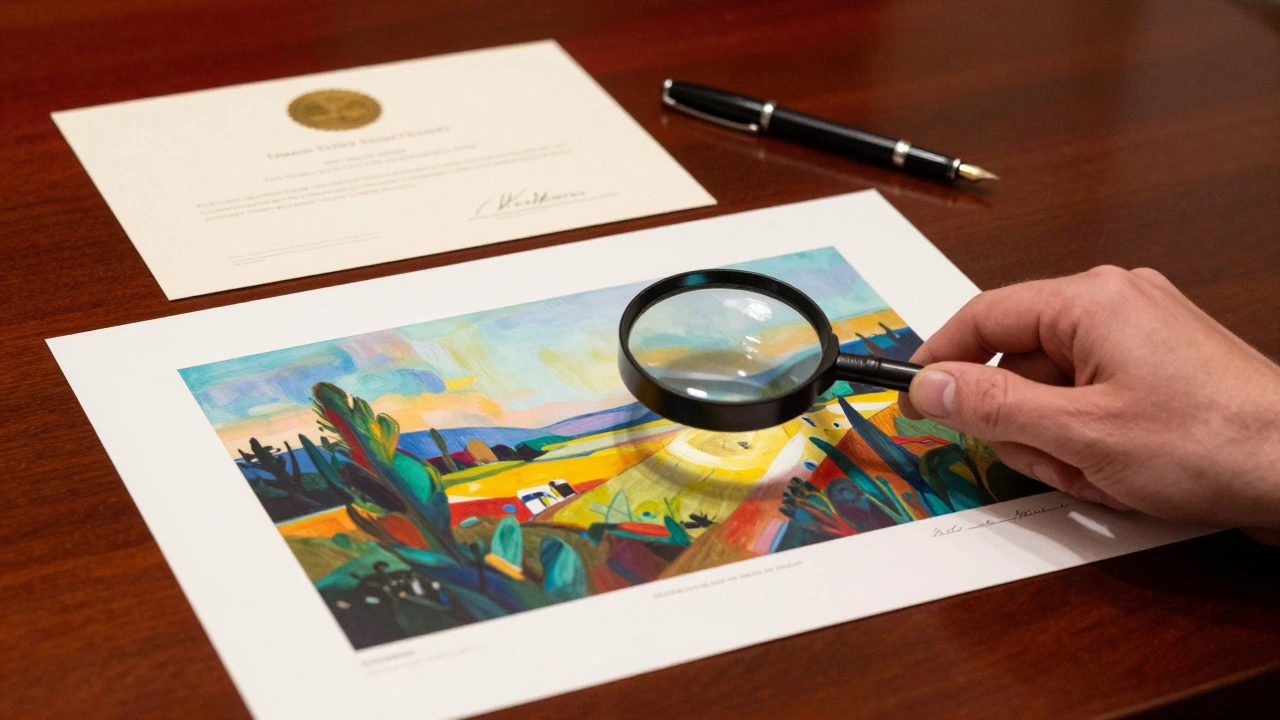
Scarcity drives demand. Collectors know that once the edition is complete, the only way to get that specific print is to buy it from another collector. This secondary market potential makes limited editions more valuable. Artists also sign these prints. A signature serves two purposes: it authenticates the work, proving it came directly from the studio, and it adds a personal touch. Unsigned prints are generally considered less valuable because anyone could theoretically reproduce the file and print it themselves. The combination of a signed certificate of authenticity and a limited number creates a sense of ownership that a mass-produced poster simply cannot offer.
Artist Royalties and Distribution Costs
You might think the artist keeps all the money, but that’s rarely the case. When you buy a print from a gallery, the gallery typically takes a 50% commission. This covers their rent, insurance, marketing, and the labor of framing and shipping. Even if you buy directly from the artist’s website, there are platform fees, payment processing costs, and packaging expenses. Shipping a large, unframed print requires rigid cardboard tubes to prevent creasing. Framing adds another layer of cost, involving glass, mats, and labor.
Consider the total cost breakdown for a $400 print:
- Materials: Paper and ink might cost $30-$50.
- Production Labor: Calibration, proofing, and printing take hours. At a skilled technician’s rate, this is $50-$100.
- Gallery Commission: 50% of the retail price, or $200.
- Shipping & Packaging: $20-$40.
- Artist Profit: What’s left, often around $50-$80.
How to Evaluate if a Print is Worth the Price
So, how do you know if you’re getting a good deal? Look for specific markers of quality. First, check the paper weight. Fine art papers are usually 250gsm or heavier. Thicker paper feels substantial and holds up better over time. Second, look for the term "archival." If a listing says "museum quality" or "archival inks," it implies a longer lifespan. Third, verify the edition size. Smaller editions (under 50) are generally more collectible than larger ones (over 100). Finally, ensure the print comes with a Certificate of Authenticity (COA). This document should list the title, medium, dimensions, edition number, and the artist’s signature. Without a COA, you’re taking a risk on authenticity.
If you are on a budget, consider smaller formats. A 12x18 inch print will cost significantly less than a 24x36 inch version because the paper and ink usage are lower. Alternatively, look for "artist proofs" or "open editions" from emerging artists. These are often priced lower because the artist is building their portfolio. As their reputation grows, their prices will rise. Buying early can be a smart investment strategy, but always prioritize what you love visually first.
Frequently Asked Questions
What is the difference between a poster and a fine art print?
A poster is typically mass-produced on cheaper wood-pulp paper using dye-based inks, intended for short-term display. A fine art print is produced on acid-free cotton rag paper using pigment-based archival inks, designed to last for decades or centuries. Fine art prints are often limited in quantity and signed by the artist.
Are limited edition prints actually worth more?
Generally, yes. Limited editions create scarcity, which increases demand among collectors. Since no more copies can be made after the edition is complete, the value tends to hold or increase over time, especially if the artist becomes more famous. Open editions, which can be printed indefinitely, usually remain at a lower price point.
Why do I need a Certificate of Authenticity?
A Certificate of Authenticity (COA) proves that the print was authorized by the artist and specifies its place in the edition (e.g., 5/50). It protects your investment by verifying that the print is genuine and not a counterfeit reproduction. It also provides essential details like the creation date and medium for future resale.
How much should I expect to pay for a high-quality print?
Prices vary widely based on size, artist reputation, and edition size. Entry-level fine art prints from emerging artists might range from $100 to $300. Established artists’ works can range from $500 to several thousand dollars. Large format pieces or small editions (under 20) command higher prices due to material costs and scarcity.
Do art prints fade over time?
All prints fade eventually, but archival fine art prints are designed to resist fading for 75 to 100 years. To maximize longevity, avoid hanging prints in direct sunlight. Use UV-protective glazing if framing them. Proper storage and display conditions significantly extend the life of the artwork.