Street Art Reality Check Quiz
Think you know the difference between vandalism and urban branding? Take this quick quiz to see how well you understand the 2026 street art landscape.
Loading question...
Quiz Complete!
Here is your profile based on the article:
You might think street art is dead because you don't see kids spray-painting underpasses as much as they did in the 90s. But look closer at your city's skyline, your Instagram feed, or the auction houses selling canvases for millions. It hasn't died; it just changed its clothes. In 2026, the raw, illegal energy of graffiti has merged with high-end design, digital media, and municipal policy. The question isn't whether people still care about paint on walls. The real question is whether we are looking for rebellion or decoration.
If you are trying to understand where this art form stands right now, you need to ignore the nostalgia for "pure" vandalism. That era ended when Banksy started selling limited edition prints. Today, street art exists in a complex ecosystem involving city councils, tourism boards, private collectors, and algorithms. Let’s break down exactly what is happening on the ground, in the galleries, and online.
The Shift from Vandalism to Urban Branding
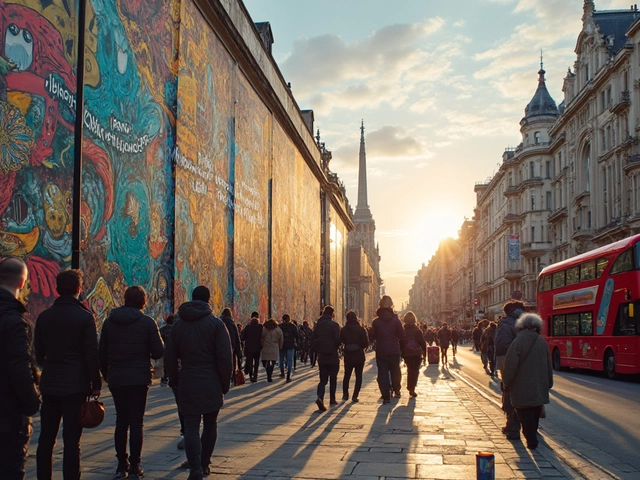
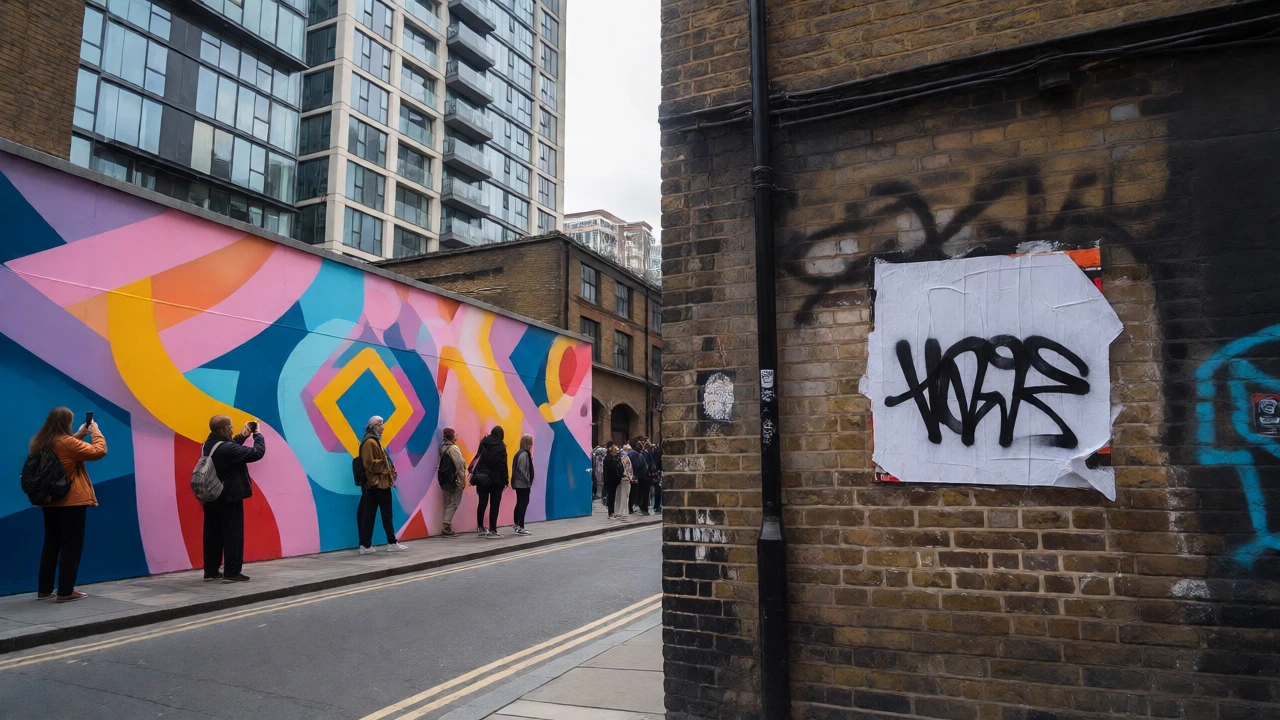
Walk through neighborhoods like Wynwood in Miami or Shoreditch in London, and you will notice something different compared to twenty years ago. The walls are cleaner. The tags are smaller. The murals are larger and more polished. This is not an accident. Cities realized that urban art drives foot traffic. Local governments now hire artists instead of chasing them. They offer permits, scaffolding, and sometimes even funding.
This shift has created a divide. On one side, you have commissioned murals. These are safe, colorful, and designed for photo ops. They boost property values and attract tourists. On the other side, you have the underground scene. Here, artists still work at night, avoiding cameras and security guards. Their work is fleeting, often buffed within days. While the mainstream audience loves the permanent installations, the core community respects the ephemeral nature of true street intervention.
Why does this matter to you? If you are an artist, you must decide which lane you occupy. Are you creating content for social media and brand partnerships? Or are you making statements that challenge the status quo? Both paths are valid, but they require different skills and networks.
The Digital Echo Chamber: How Algorithms Shape Taste
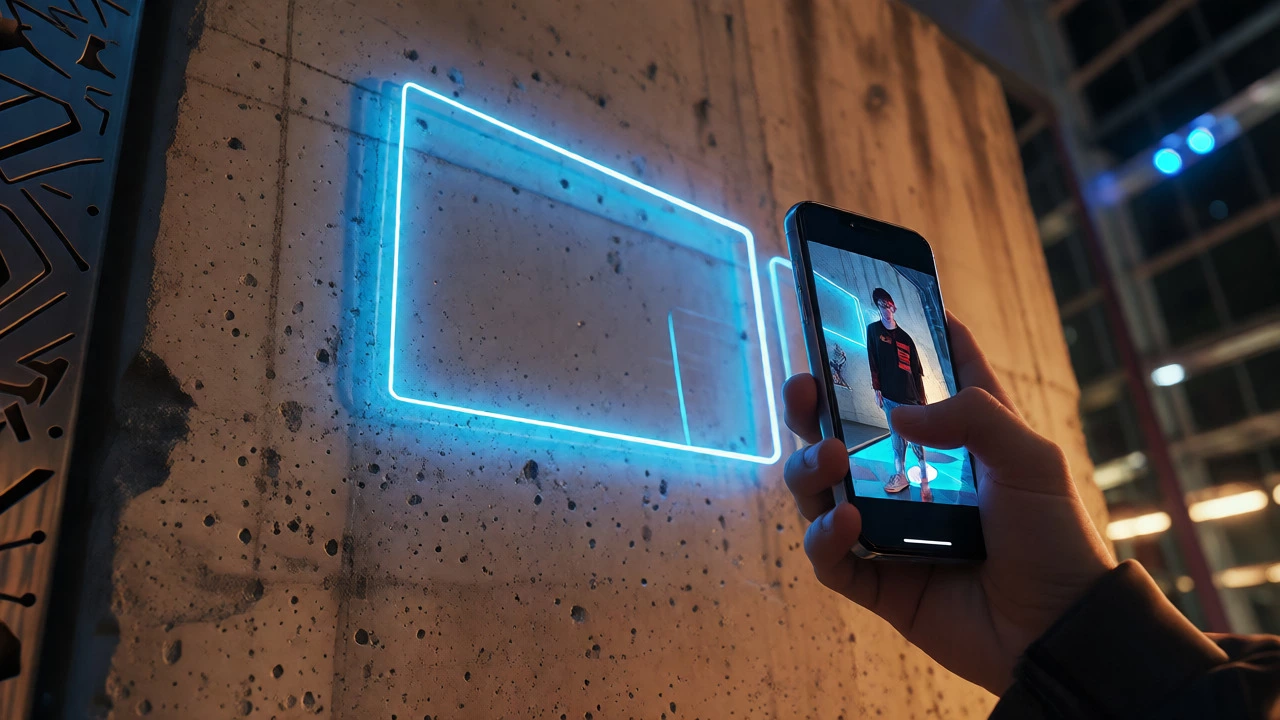
You cannot talk about popularity without talking about phones. In 2010, if you painted a mural, only locals saw it unless a newspaper covered it. Today, if a mural is "Instagrammable," it goes global in hours. Platforms like TikTok and Instagram have fundamentally altered how street art is consumed and created.
This has led to a phenomenon known as "destination painting." Artists now design works specifically for vertical phone screens. Bright colors, clear focal points, and interactive elements dominate. Some critics argue this dilutes the art, turning it into mere background scenery for selfies. Others say it democratizes access. You no longer need to live in Berlin or New York to appreciate cutting-edge public art. You can discover a hidden gem in a small town in Canada via a viral reel.
However, the algorithm favors consistency over risk. If a style gets traction, thousands of artists copy it. This leads to homogenization. You might see the same pastel color palettes or geometric shapes popping up in Vancouver, Melbourne, and Lisbon simultaneously. The popularity is real, but it is curated by code, not just by human eye.
The Market Boom: From Walls to Auction Houses
Let’s look at the money. In the early 2000s, street art was considered worthless by traditional institutions. Fast forward to 2026, and major auction houses like Sotheby’s and Christie’s regularly sell works by former graffiti writers for six-figure sums. Artists like Shepard Fairey, Invader, and KAWS have built empires that rival traditional painters.
But there is a catch. The market prefers portable art. A mural stays on the wall; a canvas moves to a collector’s vault. Consequently, many street artists spend half their time in studios producing prints and paintings rather than painting outdoors. This creates a paradox: the most popular street artists today often do less actual street painting than they did a decade ago.
For new artists, breaking into this market is tough. Collectors want names with proven track records. However, niche markets are growing. Limited-edition vinyl toys, collaborative apparel drops, and NFT-adjacent digital collectibles tied to physical murals are creating new revenue streams. The financial viability of street art is higher than ever, but it requires business acumen, not just spray-can skill.
Gentrification and the "Art Washing" Debate
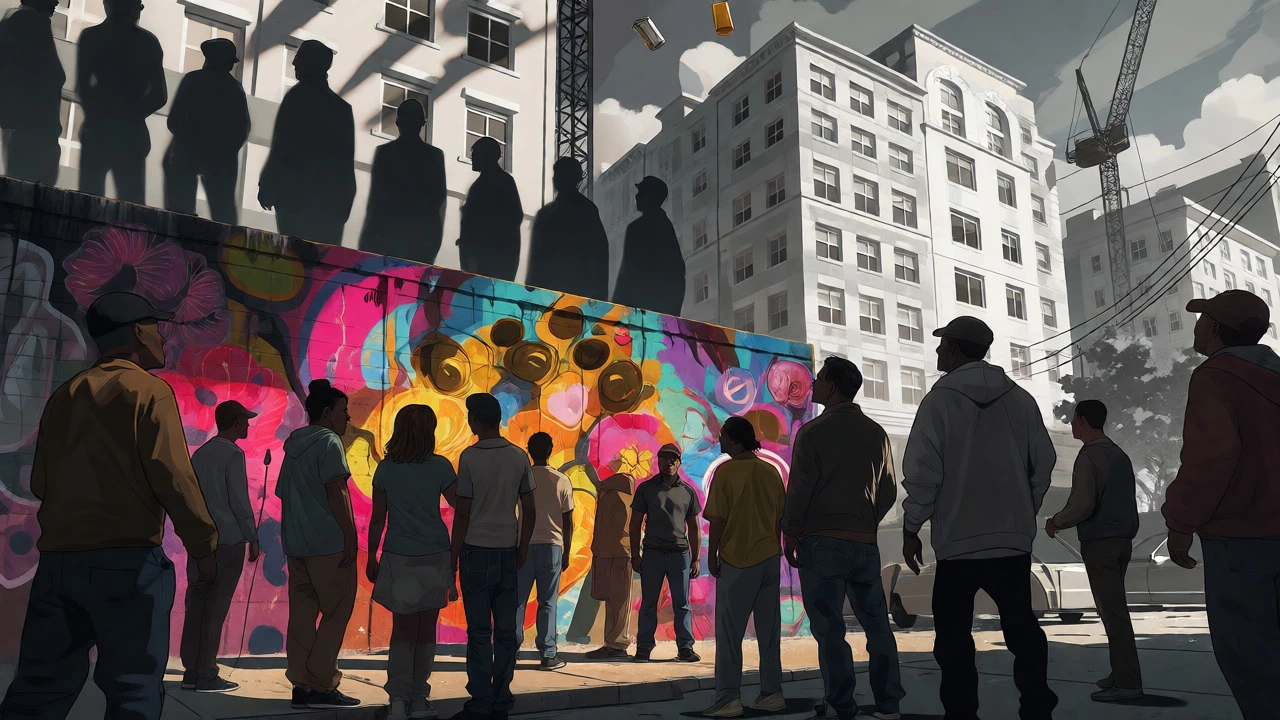
One of the biggest criticisms facing street art today is its role in gentrification. Developers love using edgy murals to make rough neighborhoods appear trendy before raising rents. This process, often called "art washing," uses cultural capital to displace long-term residents. When a neighborhood becomes too expensive for the original community, the very soul that inspired the art leaves.
In cities like Brooklyn and East London, this cycle is well-documented. As soon as a district becomes famous for its street art, luxury condos replace warehouses. The new buildings often lack the gritty texture that made the area attractive in the first place. Critics argue that institutionalizing street art kills its rebellious spirit. By sanitizing the environment, developers remove the context that gives the art meaning.
Yet, some communities fight back. Grassroots organizations in places like Toronto and Mexico City are pushing for policies that protect local artists from being priced out. They advocate for affordable studio spaces and rent-controlled housing. The debate continues, but awareness is rising. People are starting to ask who benefits from the beauty on their block.
Technological Integration: Drones, Projection, and AR
Technology has expanded the definition of street art beyond paint. In 2026, augmented reality (AR) overlays allow users to point their phones at blank walls and see animated characters or historical figures. This layer of digital interaction adds depth without physical permanence. Companies like Snapchat and specialized AR apps have partnered with artists to create these experiences.
Drones also play a role. Light shows projected onto buildings by drone swarms have become a modern equivalent of large-scale murals. These events draw massive crowds and generate significant social media engagement. Additionally, laser etching on glass and metal surfaces offers a durable alternative to paint that withstands weather better.
These innovations keep the medium fresh. Younger audiences, raised on digital interfaces, respond well to hybrid art forms. It proves that street art is not stuck in the past. It adapts to new tools just as it adapted to spray cans decades ago.
| Feature | Traditional Era (1980s-2000s) | Modern Era (2010s-Present) |
|---|---|---|
| Primary Medium | Spray paint, markers, wheat paste | Mixed media, AR, digital projection, commissioned paint |
| Legal Status | Mostly illegal, high risk of arrest | Permitted zones, legal walls, sanctioned festivals |
| Audience Reach | Local pedestrians, niche subculture | Global social media users, tourists, online communities |
| Economic Model | Non-profit, barter, underground sales | Brand sponsorships, gallery sales, merchandise, tourism |
| Key Challenge | Police crackdowns, buffing | Authenticity loss, gentrification, algorithmic bias |
Is It Worth Your Time? A Guide for Enthusiasts and Artists
If you are asking if street art is still popular because you want to start collecting or creating, the answer is yes, but with caveats. The easy wins are gone. You cannot just tag a wall and expect fame. The market is saturated, and attention spans are short.
For enthusiasts, the best way to engage is locally. Support independent art walks. Visit small galleries that showcase emerging talent. Follow artists who document their process, not just the final product. Authenticity resonates more than polish in today’s cynical market.
For artists, diversify your output. Do not rely solely on commissions. Build a personal brand that translates across mediums. Use social media strategically, but do not let it dictate your entire aesthetic. Keep some work unpolished and experimental. That edge is what separates memorable art from decorative wallpaper.
Ultimately, street art remains popular because humans crave visual stimulation in their daily environments. We walk past hundreds of advertisements every day. A genuine piece of street art breaks that monotony. It reminds us that someone cared enough to put effort into a shared space. As long as cities exist, and as long as people seek connection and surprise, street art will survive. It may change forms, but its pulse is strong.
Is street art considered fine art today?
Yes, largely. Major museums and auction houses now recognize key street artists as legitimate contemporary artists. However, a distinction remains between "fine art" sold in galleries and "public art" installed on streets. The latter is often viewed through the lens of urban design and community impact rather than purely artistic merit.
Why is street art so expensive now?
Prices are driven by scarcity and celebrity. Works by established names like Banksy or Shepard Fairey are limited in supply. Additionally, the rise of street art as a lifestyle brand allows artists to monetize their name through collaborations, increasing their overall market value. Collectors view these pieces as both art and cultural artifacts.
Does street art cause gentrification?
It often correlates with it. While street art itself doesn't raise rents, it signals a neighborhood's "cool factor" to developers and investors. This can accelerate gentrification processes, leading to displacement of original residents. Many activists argue that street art is a symptom of changing demographics rather than the sole cause.
How can I find good street art in my city?
Look for designated arts districts or warehouse neighborhoods. Follow local hashtags on Instagram or TikTok specific to your city. Check websites of local arts councils, which often map legal walls and festival sites. Asking local bartenders or shop owners in trendy areas can also lead you to hidden gems not listed on tourist maps.
Is graffiti the same as street art?
Not exactly. Graffiti typically refers to stylized writing or tags, often focused on self-expression and visibility within the subculture. Street art encompasses a broader range of visual techniques, including stencils, stickers, posters, and murals, usually aimed at communicating with the general public. While they overlap, their goals and aesthetics differ significantly.