Watercolor Canvas Prep Simulator
Adjust Preparation
Drag the sliders to add coats of gesso and mix in gel medium. Then apply watercolor to see the result.
Watercolor is famously finicky about its surface. It loves paper because paper fibers swell and hold pigment in the valleys. Canvas? Canvas hates water unless you force it to behave. If you’ve ever tried pouring a wash onto raw linen or cotton duck, you know the disaster: the paint beads up, runs off like rain on a waxed car, or sinks into the weave leaving a muddy, dull mess. The secret isn’t magic; it’s preparation. You need to build a barrier that repels the initial soak but holds the pigment, while keeping the surface textured enough to look like canvas.
The short answer is that you put gesso or an acrylic gel medium is a thick, transparent additive used to modify acrylic paints and create texture or adhesion layers on your canvas before applying watercolor. But simply slapping on one coat of white primer won’t cut it. To get that luminous, flowing effect we love in traditional watercolor, you have to engineer the surface. This guide breaks down exactly what materials work, how to apply them, and why certain methods fail so you don’t waste hours on a ruined piece.
Why Raw Canvas Fails with Watercolor
Before buying supplies, it helps to understand the chemistry. Traditional watercolor paper is sized. Sizing is a internal or external treatment (usually animal glue or synthetic polymers) that prevents the paper from disintegrating when wet and controls how fast the water absorbs. Raw canvas is porous and absorbent. Without a barrier, the water evaporates instantly or soaks deep into the fabric threads. This causes two major problems:
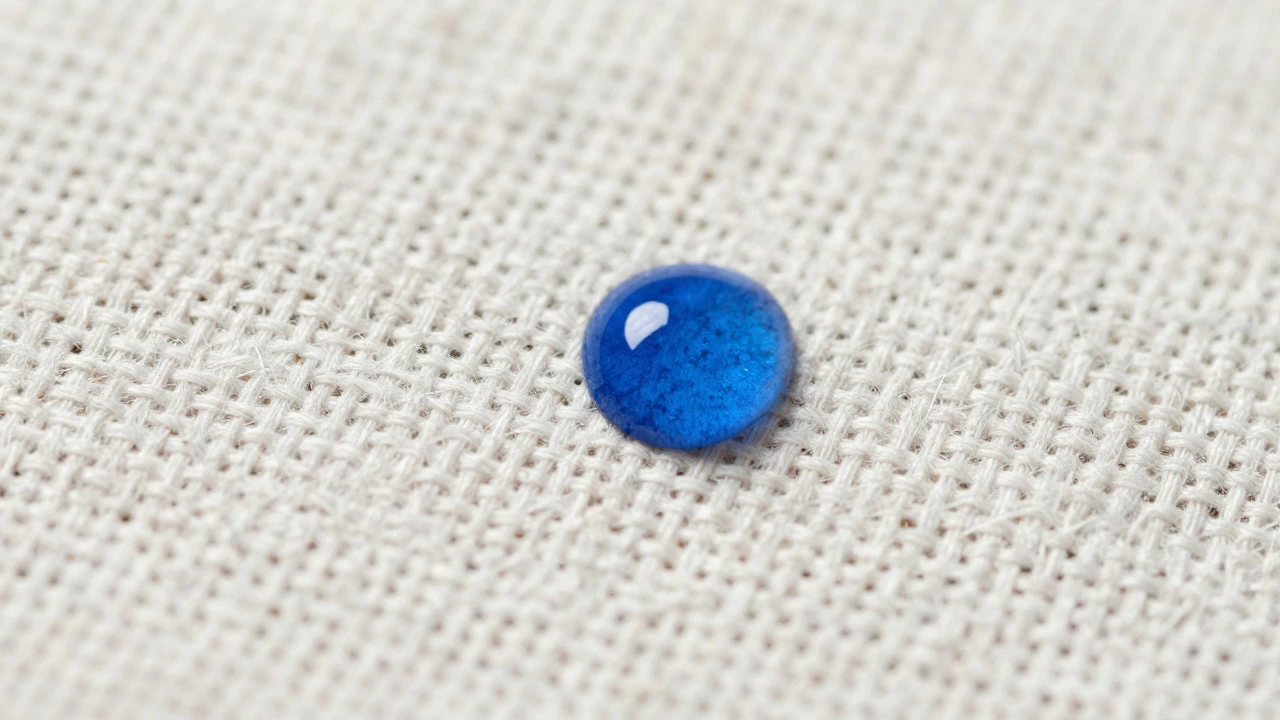
- Beadling: The surface tension of the water is higher than the absorption rate of the dry fabric. The paint sits on top as droplets instead of spreading into a smooth wash.
- Muddiness: When pigment does sink in, it gets trapped in the dark shadows of the canvas weave. The result is a flat, grayish appearance rather than the bright, transparent layers you expect from watercolor.
You are essentially trying to make a wall act like a sponge. To do this, you need to seal the pores and add a layer of "tooth"-microscopic texture that grabs the pigment particles without drinking the water.
The Gold Standard: Multiple Coats of Gesso
Gesso is an acrylic-based primer traditionally used to prepare surfaces for oil or acrylic painting by creating a uniform, non-absorbent layer is the most common solution. However, not all gessos are created equal for watercolor. You want an acrylic gesso, not an oil-based one. Oil-based gesso creates a slick surface that watercolor will slide right off of.
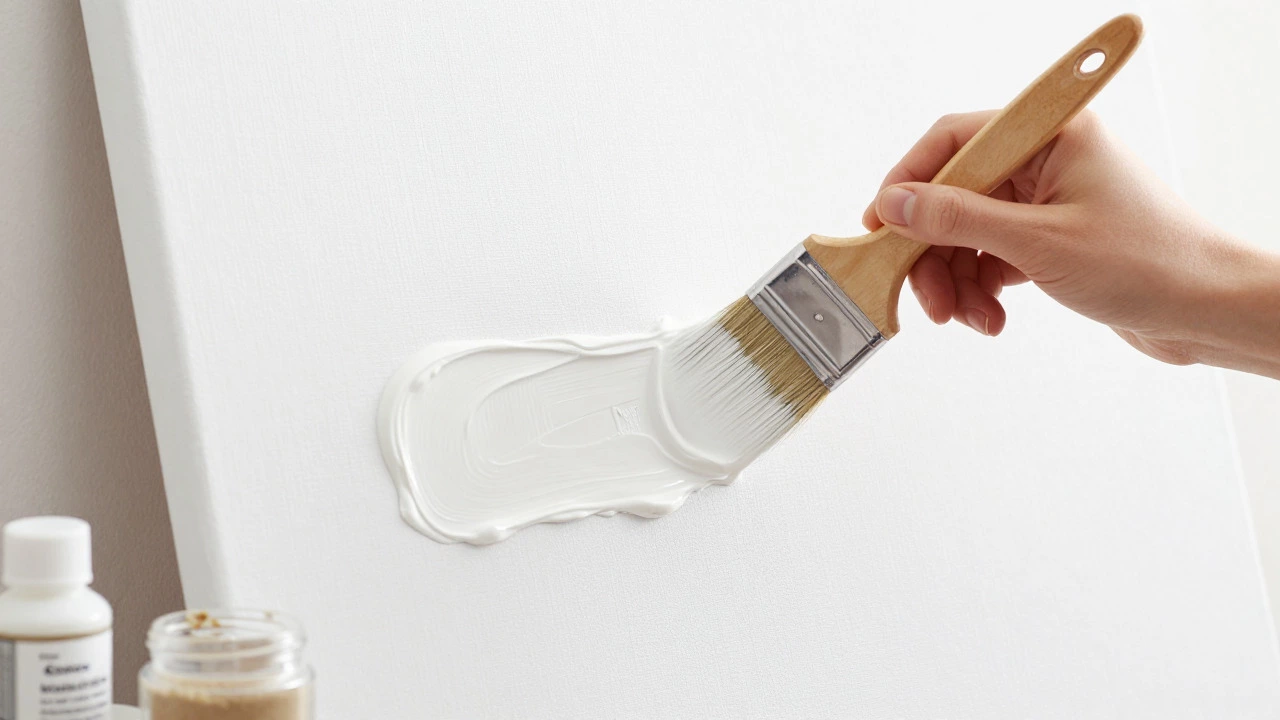
Here is the critical mistake most beginners make: they apply one thin coat of gesso. That is not enough. One coat leaves the canvas too absorbent. You need to build up a physical barrier. Apply at least three to four coats of high-quality acrylic gesso. Let each coat dry completely before adding the next. Sand lightly between coats if you want a smoother finish, or leave it rough if you prefer the canvas texture to show through.
Even with multiple coats, standard gesso can sometimes be too chalky or absorbent for delicate glazing. This is where professional artists tweak the formula. Mixing your gesso with a binder changes the game.
Pro Tip: Mixing Gesso with Acrylic Gel Medium
If you want your watercolor to flow smoothly and stay vibrant, mix your final coat of gesso with an Acrylic Gel Medium is a clear, viscous substance that extends acrylic paint, adds body, and improves adhesion without altering color. Specifically, use a matte or satin gel medium, not gloss. Gloss can make the surface too slippery.
| Preparation Method | Absorbency Control | Color Brightness | Difficulty |
|---|---|---|---|
| Raw Canvas | Poor (High Absorption) | Dull/Muddy | Low (but fails) |
| Single Coat Gesso | Fair | Medium | Low |
| 3-4 Coats Gesso | Good | Bright | Medium |
| Gesso + Gel Medium Mix | Excellent | Vibrant/Luminous | Medium-High |
| Sol-Borne Sizing (Professional) | Excellent | Very Vibrant | High |
The gel medium acts as a plasticizer. It makes the dried gesso film slightly more flexible and less chalky. This allows the watercolor pigment to sit on the surface longer, giving you time to blend, lift, and manipulate the washes just like you would on cold-press watercolor paper. A ratio of 50% gesso to 50% gel medium works well for the final topcoat.
Alternative: Using Watercolor-Specific Primers
Some brands now sell primers specifically labeled for watercolor on unconventional surfaces. These products often contain modified PVA (polyvinyl acetate) or specialized resins. They are convenient because they come pre-mixed, but they can be expensive compared to buying bulk gesso and gel medium separately. Check the label for "archival quality" if you plan to sell your work. Non-archival primers may yellow over time or crack as the canvas expands and contracts with humidity changes.
Step-by-Step Preparation Process
Getting the surface right takes patience, but the steps are straightforward. Follow this sequence to ensure your canvas is ready for paint.
- Stretch the Canvas Properly: Ensure your canvas is drum-tight. Water adds weight. A loose canvas will sag when wet, causing pooling in the center. Use wooden stretchers and staple tightly along the edges.
- Clean the Surface: Wipe the raw canvas with a damp cloth to remove dust or lint. Let it dry completely.
- Apply Base Coats: Use a wide, flat brush to apply the first two coats of pure acrylic gesso. Work in long, even strokes. Cover the sides of the canvas if you want a finished look. Allow each coat to dry for at least 1-2 hours.
- Sand (Optional): If you notice brush marks or uneven texture, lightly sand with fine-grit sandpaper (220 grit). Wipe away dust.
- Apply the Topcoat: Mix your gesso and acrylic gel medium (or use a dedicated watercolor primer). Apply this final layer generously. This is the layer that interacts directly with your paint.
- Cure Time: Let the canvas cure for 24-48 hours. Freshly painted gesso still contains moisture. If you start painting immediately, the water from your colors might reactivate the gesso, causing it to peel or become cloudy.
Testing Your Surface
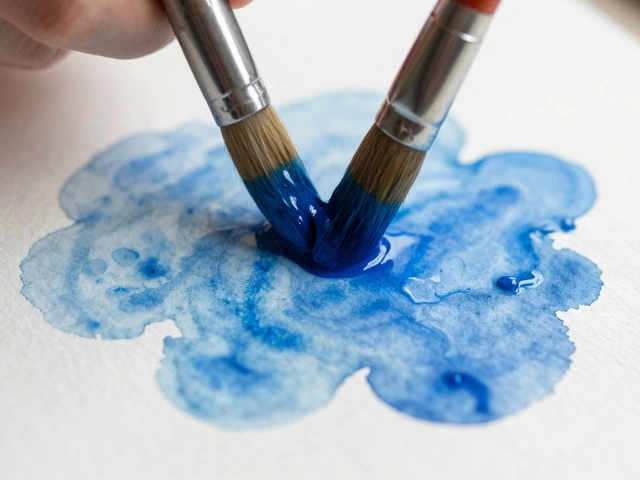
Never start a masterpiece on a newly prepped canvas without a test. Grab a scrap piece of cardboard or the corner of your canvas and apply a simple wash of blue or green. Watch how it behaves.
- If it beads up: Your surface is too slick. Add another thin coat of gesso or reduce the amount of gel medium in your mix.
- If it soaks in instantly: Your surface is too absorbent. You need more coats or a thicker application of the gel medium mix.
- If it flows smoothly and dries with a sheen: You’re good to go.
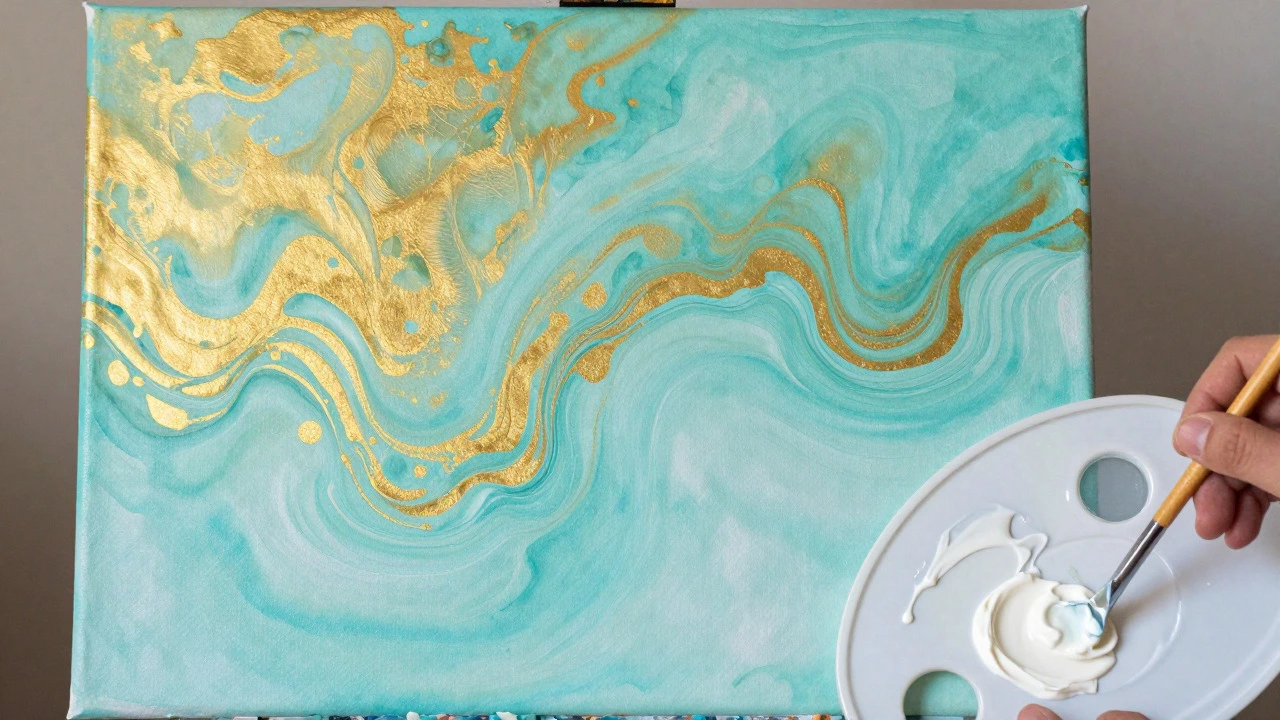
Working with Prepared Canvas
Once your canvas is prepped, your technique needs slight adjustments compared to paper. Canvas is heavier and doesn’t curl. You can work vertically, which is great for large landscapes. However, because the surface is harder, lifting out highlights (using a dry brush or paper towel to remove wet paint) is harder than on soft paper. Be gentle. Pressing too hard can damage the gesso layer.
Also, consider using masking fluid sparingly. On canvas, masking fluid can tear the gesso layer when peeled off if applied too thickly. Test peeling a small dot first.
Common Pitfalls to Avoid
I see these mistakes constantly in beginner forums. Avoid them to save your artwork.
Using Oil-Based Primer: Oil and water don’t mix. Literally. If you prime with oil-based gesso, your watercolor will never adhere properly. Always check the bottle for "Acrylic." Rushing the Dry Time: Gesso feels dry to the touch in an hour, but it cures chemically over days. Painting too soon leads to "ghosting," where the underlying white shows through unpredictably as the gesso shifts. Ignoring the Weave: Deep-weave canvases create strong horizontal lines in your washes. If you hate this look, choose a fine-weave canvas or fill the weave with extra gesso and sand it smooth.
FAQ
Can I use regular house primer on canvas for watercolor?
Technically yes, but it's risky. House primers often contain additives that aren't archival and may yellow or crack over time. Art-grade acrylic gesso is formulated to remain stable and neutral, ensuring your painting lasts decades without degrading.
Do I need to size my canvas before applying gesso?
No, usually not. Modern acrylic gesso acts as both a primer and a sealer. Traditional oil painters size with rabbit skin glue to protect the linen from oil acids, but for watercolor, the multiple layers of acrylic gesso provide sufficient protection against moisture penetration.
Why does my watercolor look dull on canvas?
Dullness usually comes from pigment sinking into the canvas weave. If you only applied one coat of gesso, the pores are still open. Build up more layers or use the gesso/gel medium mix to keep the pigment on the surface where light can reflect off it, creating brightness.
Can I paint watercolor on stretched canvas vs. un-stretched?
Stretched canvas is better for large works because it provides a rigid backing. Unstretched canvas rolls or buckles when wet, making it nearly impossible to control washes. If you must use unstretched canvas, mount it to a board first.
Is watercolor on canvas permanent?
Yes, if you use archival materials. Ensure your gesso, gel medium, and watercolor paints are lightfast and acid-free. Seal the finished painting with a UV-resistant varnish designed for watercolors to protect it from fading and environmental damage.