Fine Art Photography Pioneer Explorer
Click on a photographer's card below to reveal their biography, artistic style, and historical significance.
Alfred Stieglitz
The OrganizerFounded the Photo-Secession and gallery "291" to institutionalize photography as art.
Julia M. Cameron
The Emotional PioneerRejected sharp detail for soft-focus, ethereal portraits prioritizing mood over accuracy.
Edward Steichen
The BridgeTransitioned from Pictorialism to Straight Photography, bridging eras of artistic style.
Ansel Adams
Technical MasterDeveloped the Zone System, proving technical precision is an artistic tool.
Select a Photographer
Key Contributions & Timeline
Profile Stats
- Primary Style: -
- Impact Level: -
- Era: -
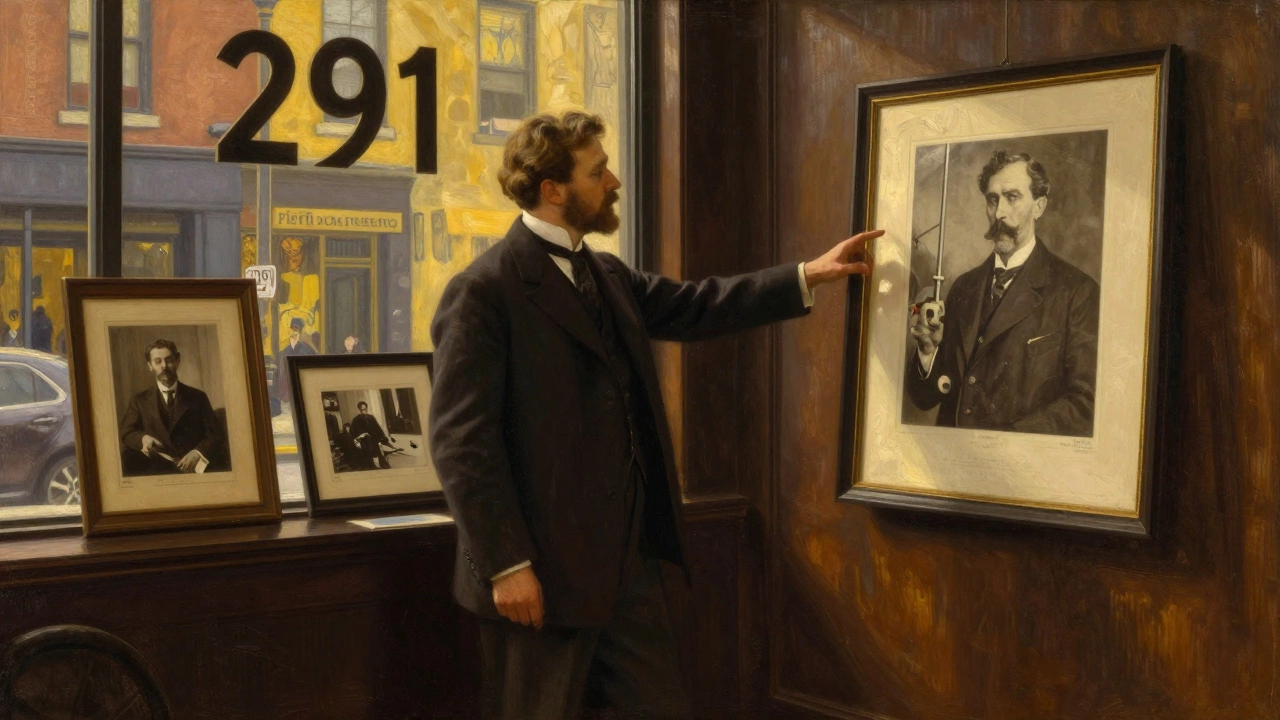
Ask five different photographers who invented fine art photography, and you’ll likely get five different names. Some will point to Alfred Stieglitz, a German-American photographer and art dealer who championed photography as an art form in the early 20th century. He founded the Photo-Secession movement and used his gallery, "291," to display photographs alongside paintings by Matisse and Picasso. Others might argue for Julia Margaret Cameron, whose dreamy portraits broke the rigid rules of Victorian portraiture. A few purists might even name William Henry Fox Talbot, the man who actually invented the photographic process itself.
The truth isn’t about finding a single inventor. It’s about recognizing that fine art photography didn’t arrive fully formed. It evolved through decades of debate, technical experimentation, and fierce artistic rivalry. To understand who really holds the title of "father," we have to look at how these pioneers fought to convince the world that a camera could do more than just document reality.
The Core Argument: Why Photography Wasn't "Art" Initially
In the mid-19th century, when photography was still a young technology, most people viewed it strictly as a tool for documentation. You took a picture to record a face, a building, or a landscape. The idea that a machine-a box with a lens and chemicals-could produce something comparable to a painting or a sculpture seemed absurd to many critics.
This skepticism created a massive barrier. Photographers wanted respect. They wanted their work hung in museums, not just filed away in archives. This desire sparked a movement known as Pictorialism, a photographic movement that held that photography should be considered equal to painting and drawing. Pictorialists manipulated their images to create soft focus, textured prints, and dramatic lighting, aiming to evoke emotion rather than just capture facts.
Understanding this context is crucial. The "father" of fine art photography isn't just someone who took pretty pictures. It's someone who successfully argued, demonstrated, and institutionalized the idea that photography had aesthetic value independent of its documentary function.
Alfred Stieglitz: The Organizer and Champion
If you visit any major museum today and see a photograph displayed on the wall with the same reverence as an oil painting, Alfred Stieglitz deserves a significant portion of the credit. Born in New York in 1864 to German immigrant parents, Stieglitz studied engineering before turning to photography. But he wasn't just a practitioner; he was a strategist.
Stieglitz realized that individual artists weren't enough to change public perception. He needed an army. In 1902, he founded the Photo-Secession, a group of photographers who advocated for photography as a fine art, led by Alfred Stieglitz. The group included talents like Edward Steichen, Gertrude Käsebier, and Clarence White. Their goal was simple but radical: to separate "fine art" photography from commercial snapshotting.
He published Camera Work, a high-quality magazine that featured large-format photogravures of members' work. These weren't cheap reproductions; they were luxurious objects designed to compete visually with art journals of the time. Through this publication, Stieglitz educated collectors, critics, and the general public on what constituted artistic merit in photography.
His gallery, located at 291 Fifth Avenue in New York (often called simply "291"), became the epicenter of modern art in America. He showed photographs next to works by Cézanne and Rodin. By placing photos in direct conversation with established fine arts, he forced viewers to judge them by the same standards. This contextual strategy was perhaps his greatest contribution to the field.
Julia Margaret Cameron: The Emotional Pioneer
While Stieglitz was organizing movements in America, Julia Margaret Cameron, a British photographer known for her romantic and biblical-themed portraits taken on the Isle of Wight, was already pushing boundaries in England during the 1860s. She is often cited as an earlier influence because she deliberately rejected the sharp detail that characterized early photography.
Cameron’s technique involved using slow lenses and allowing her subjects to move slightly during exposure. The result was soft-focus, ethereal images that prioritized mood and character over physical accuracy. Her famous portrait of actress Alice Liddell (the inspiration for *Alice in Wonderland*) looks less like a ID photo and more like a Pre-Raphaelite painting.
Why does she matter in this discussion? Because she proved that a photographer could make intentional aesthetic choices. She didn't just press a button; she curated light, composition, and subject matter to tell a story. However, her work remained somewhat isolated compared to Stieglitz’s systemic impact on the American art world. She laid the groundwork, but Stieglitz built the house.
Edward Steichen: The Bridge Between Eras
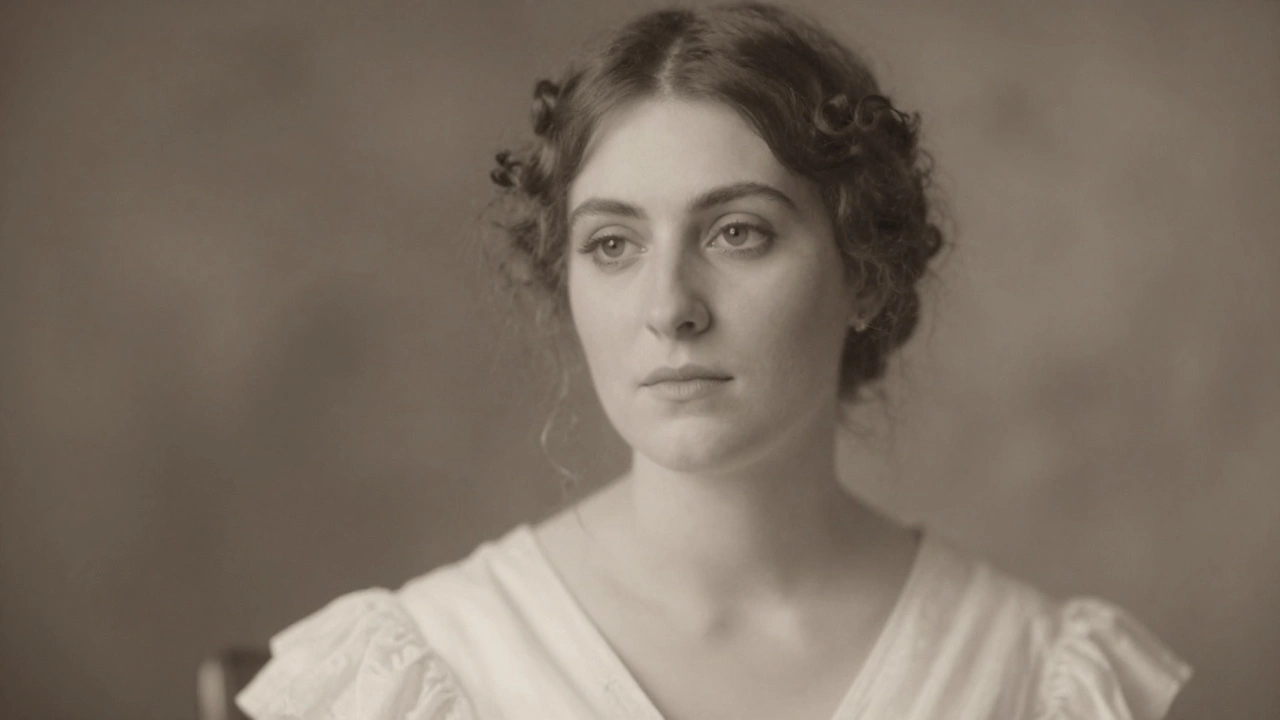
You can’t talk about Stieglitz without mentioning Edward Steichen, a Luxembourg-born American photographer who was a key member of the Photo-Secession and later transitioned to straight photography. Steichen started as a quintessential Pictorialist, creating moody, atmospheric images that looked like charcoal drawings.
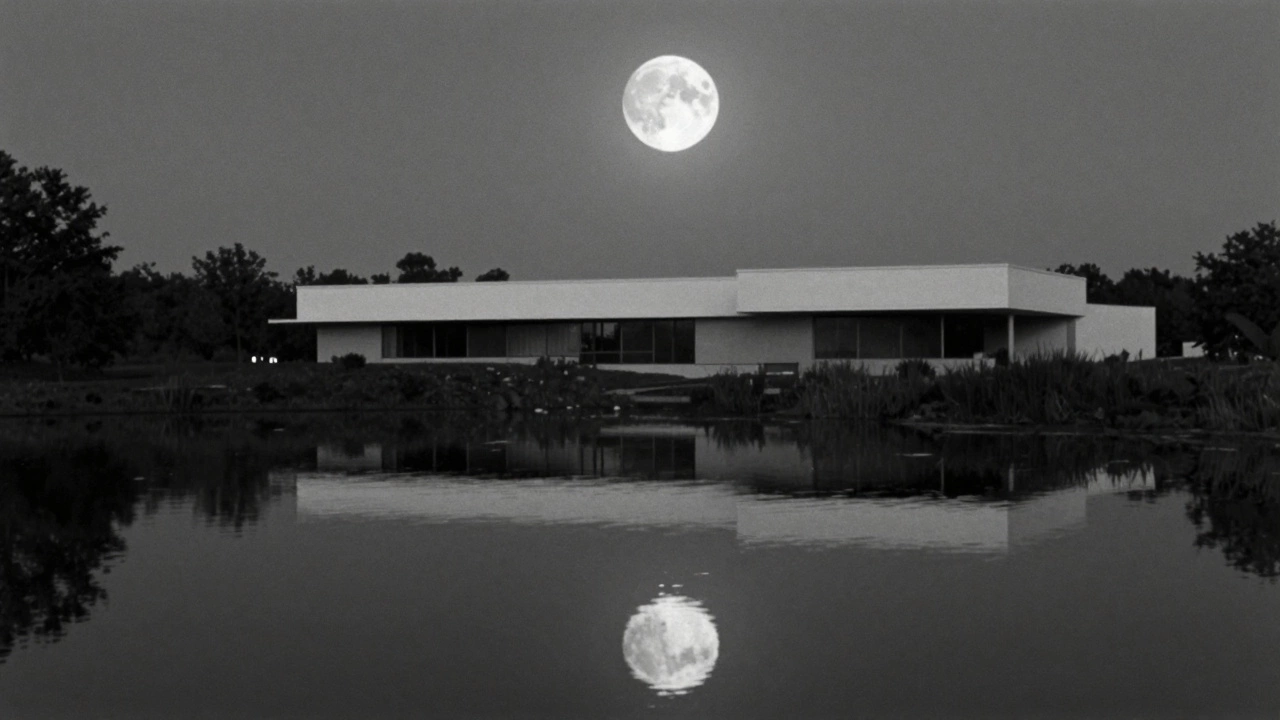
However, Steichen played a pivotal role in evolving the definition of fine art photography. In the 1920s, he moved away from manipulation toward "straight photography"-sharp, clear images that relied on the inherent qualities of the medium rather than post-processing tricks. His iconic image *The Pond-Moonlight* sold for millions in 2006, cementing photography’s place in the high-end art market.
Steichen’s ability to adapt showed that fine art photography wasn't a static style. It could evolve. He bridged the gap between the soft-focus romanticism of the late 19th century and the modernist clarity of the 20th century. Without Steichen’s versatility, the lineage of fine art photography might have stalled in the Pictorialist era.
Other Key Contributors to the Movement
While Stieglitz, Cameron, and Steichen are the big three, other figures deserve recognition for expanding the scope of what fine art photography could be.
- Gertrude Käsebier: A American photographer known for her intimate portraits of mothers and children, which challenged traditional gender roles in art. She was one of the few women in the Photo-Secession and brought emotional depth to domestic subjects.
- Ansel Adams: A landscape photographer who developed the Zone System to control exposure and development, emphasizing technical precision as an artistic tool. While he came later, his work solidified the idea that nature photography could be abstract and monumental.
- Man Ray: A Dada and Surrealist artist who used photography to create rayographs and other experimental images, blurring the line between photography and conceptual art. He proved that photography could be playful and subversive.
Comparison: The Major Figures in Fine Art Photography
| Photographer | Primary Contribution | Key Technique/Style | Impact Level |
|---|---|---|---|
| Alfred Stieglitz | Institutionalizing photography as art | Pictorialism, then Straight Photography | High (Organizer & Critic) |
| Julia Margaret Cameron | Emotional expression over detail | Soft focus, biblical themes | Medium (Early Influence) |
| Edward Steichen | Bridging Pictorialism and Modernism | Atmospheric landscapes, fashion | High (Artist & Curator) |
| Ansel Adams | Technical mastery of landscape | Zone System, black and white | High (Technical Standard) |
How to Identify Fine Art Photography Today
So, how do you distinguish fine art photography from other types of photography? It’s not always obvious. Here are some practical indicators:
- Intent: Was the image created primarily for self-expression or aesthetic exploration, rather than to document an event or sell a product?
- Originality: Does the image offer a unique perspective or interpretation, rather than just recording a scene?
- Technique: Did the photographer use specific techniques (like long exposure, double exposure, or careful printing) to achieve a desired effect?
- Context: Is the work presented in an art context, such as a gallery, museum, or limited-edition print series?
For example, a National Geographic photo of a lion is documentary photography. It informs us about the animal. An Ansel Adams photo of a mountain is fine art photography. It invites us to feel the grandeur of nature. Both are excellent, but their purposes differ.
The Legacy: From Darkrooms to Digital Screens
The debate over who is the "father" of fine art photography continues, but the outcome is clear: photography is now universally accepted as a legitimate art form. Museums have dedicated departments for photography. Auction houses sell prints for millions. Universities offer degrees in photographic arts.
This acceptance didn’t happen overnight. It was the result of decades of effort by Stieglitz, Cameron, Steichen, and many others who refused to let photography be dismissed as mere mechanical reproduction. They fought for the right to interpret the world through a lens, not just record it.
Today, digital tools have made it easier than ever to manipulate images. Some critics argue this dilutes the authenticity of fine art photography. Others say it expands the possibilities. Regardless of where you stand, the foundation laid by these pioneers remains solid. They taught us that the camera is not just a recorder of facts, but a brush for painting with light.
Is Alfred Stieglitz the only person credited as the father of fine art photography?
No, while Alfred Stieglitz is the most commonly cited figure due to his organizational efforts and influence on the American art world, others like Julia Margaret Cameron and Edward Steichen also play crucial roles. Cameron pioneered the aesthetic approach earlier, and Steichen helped bridge different styles. The title is often shared or debated among historians.
What is the difference between Pictorialism and Straight Photography?
Pictorialism emphasizes artistic manipulation, such as soft focus and textured prints, to make photographs resemble paintings. Straight Photography advocates for sharp focus and minimal manipulation, relying on the inherent qualities of the camera and lens to create artistic value. Stieglitz supported both at different times in his career.
Did Julia Margaret Cameron know about Alfred Stieglitz?
It is unlikely they knew each other directly. Cameron worked primarily in the 1860s and 1870s in England, while Stieglitz rose to prominence in the early 1900s in America. However, Stieglitz was aware of her work and respected her contributions to the aesthetic side of photography.
Why is fine art photography valuable in the art market?
Fine art photography is valued for its historical significance, technical mastery, and artistic vision. Limited edition prints, signed by the artist, can command high prices, especially from renowned photographers like Ansel Adams or Cindy Sherman. The value comes from the scarcity and the cultural impact of the work.
Can digital photography be considered fine art?
Yes, absolutely. The medium (film vs. digital) does not determine whether something is fine art. The intent, creativity, and execution matter more. Many contemporary fine art photographers use digital tools to create complex, layered images that would be impossible with traditional film processes.