Oct 21, 2025
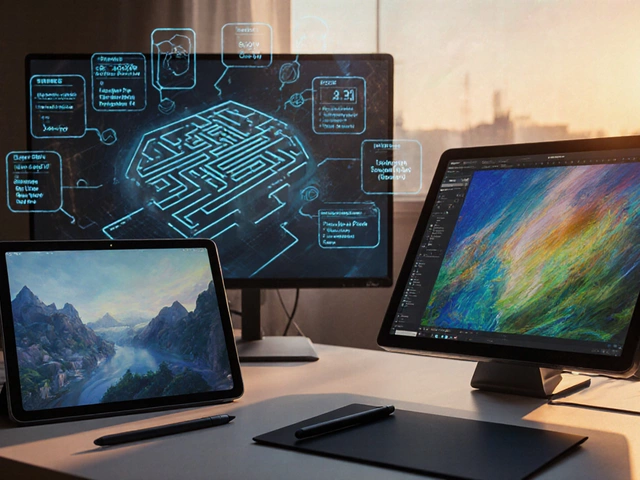
Best Device for Digital Art in 2025 - Tablet, iPad, or PC?
When we talk about young artist photography, photography created by emerging artists under 25 who use visual storytelling to express identity, emotion, and social observation. Also known as emerging photographer work, it’s not just about taking pretty pictures—it’s about finding a voice before the world expects you to have one. These aren’t just kids with smartphones. They’re people using cameras to ask questions, challenge norms, and capture moments adults often miss.
Digital photography, the process of capturing images using electronic sensors instead of film is the main tool here. Most young artists start with phones, then move to entry-level mirrorless cameras like the Canon EOS R50 or Sony ZV-E10. They use apps like Lightroom Mobile or Snapseed to edit on the go. What sets them apart isn’t the gear—it’s the perspective. They shoot their neighborhoods, their friends, their anxiety, their joy. One photographer from Milford Haven documented her daily walks after her dad’s illness. Another in Fishguard turned his school hallway into a stage for portraits of classmates wearing masks made from recycled materials. These aren’t stock images. They’re raw, personal, and real.
Art photography, photography created primarily as a form of artistic expression rather than documentation is the goal. It doesn’t need to be black-and-white or hung in a gallery to count. A photo of wet pavement after rain, lit by a streetlamp, with a single shoe beside it—that’s art. So is a selfie taken in a mirror while crying. The rules are gone. What matters is intent. And young artists know this. They don’t wait for permission. They post on Instagram, print small zines, or hang work in local cafes. Some even enter competitions like the Young Photographer of the Year in Wales, where entries from Pembrokeshire teens have won awards for tackling climate anxiety and rural isolation.
What you’ll find in this collection are the practical things these artists actually use: how to get good light without buying expensive gear, why editing too much kills the feeling, what cameras real beginners buy (and which ones they regret), and how to turn a hobby into something that feels meaningful. You’ll see how to frame a shot when you’re stuck in a small bedroom with no studio. How to make your photos stand out when everyone’s posting the same filtered sunsets. How to handle criticism without giving up. And how to know when your work is ready to be seen—by anyone, anywhere.
This isn’t a guide for perfecting technique. It’s for the person who picked up a camera because they needed to say something—and didn’t know how else to say it. The posts below are the real talk they wish someone had given them before they started.
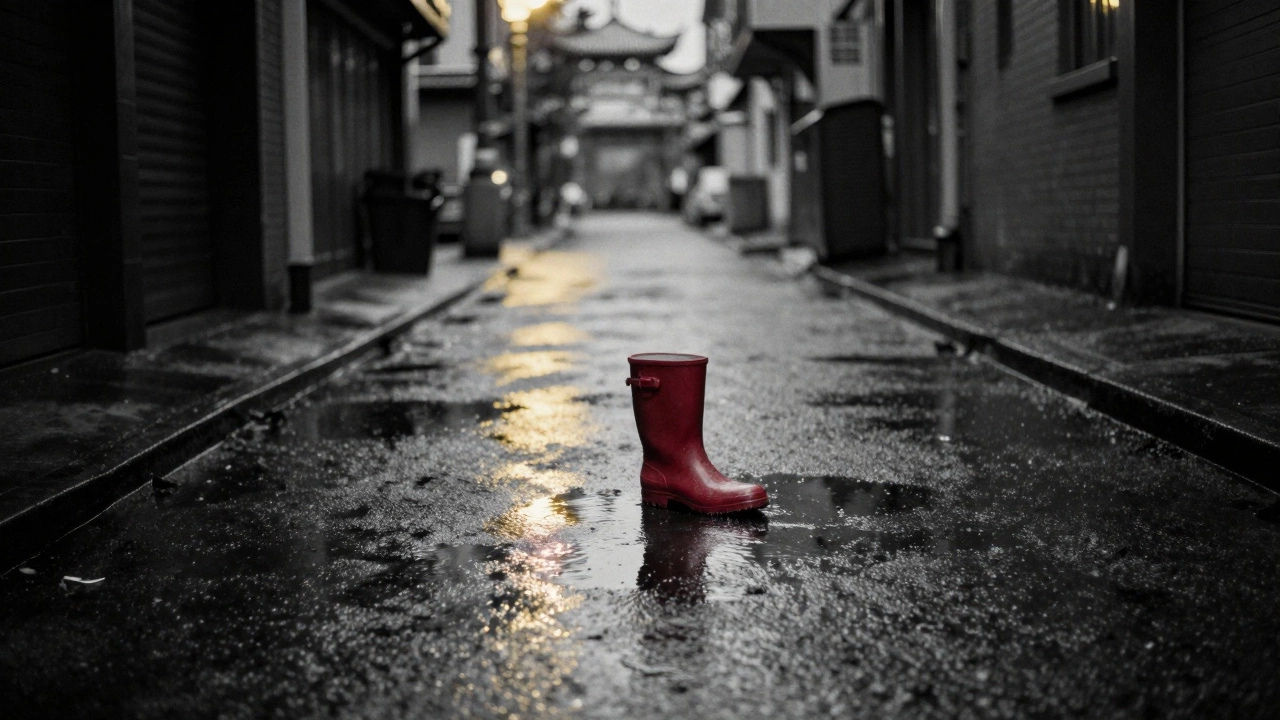
At 13, Maya Wei is redefining fine art photography with quiet, powerful black-and-white images that capture absence and emotion. Her work stands out in a digital age - slow, intentional, and deeply human.