At 13 years old, Maya Wei doesn’t spend her afternoons scrolling through social media or playing video games. Instead, she’s out before sunrise, camera in hand, waiting for the light to hit the wet pavement of Vancouver’s Granville Street just right. Her photo, Reflections After Rain, won first prize at the 2025 International Fine Art Photography Festival - beating out professionals twice her age. It’s not just a lucky shot. It’s the result of three years of quiet, relentless observation.
How a quiet kid became a fine art photographer
Maya didn’t ask for a camera. She found one. At ten, she stumbled upon her grandfather’s old Nikon FM2 in the basement, wrapped in a wool blanket and smelling of dust and cedar. She didn’t know how to use it, but she knew how to look. She started by photographing her cat, then the trees outside her window, then the way steam curled off a coffee cup on a cold morning. No one told her to do it. No one pushed her. She just kept clicking.
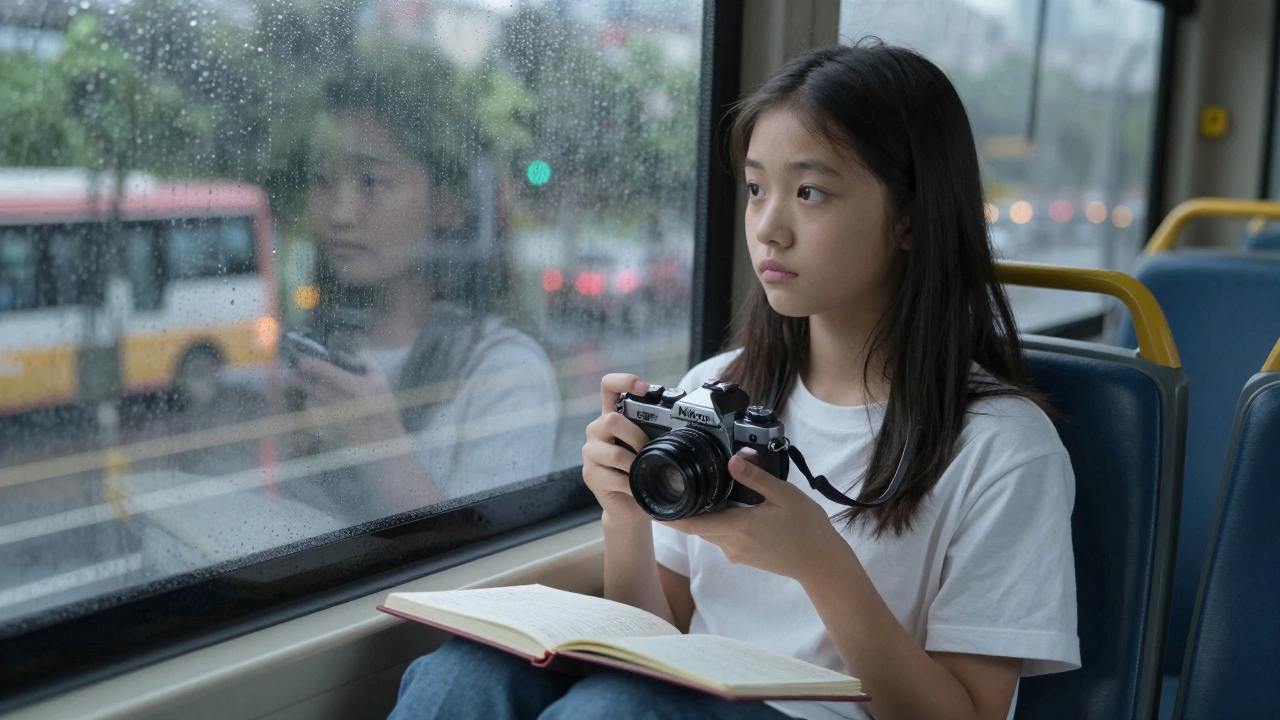
By 12, she was shooting in black and white exclusively. She didn’t understand color theory, but she understood contrast - how shadows held stories, how light could turn a puddle into a mirror for the sky. Her early work was raw, unpolished, but full of feeling. One of her first published photos, Alone on the Bus, showed an elderly woman staring out a rain-streaked window, her reflection blending with the city lights behind her. It was taken during a bus ride to school. She didn’t even tell her teacher she had a camera.
The art that made her famous
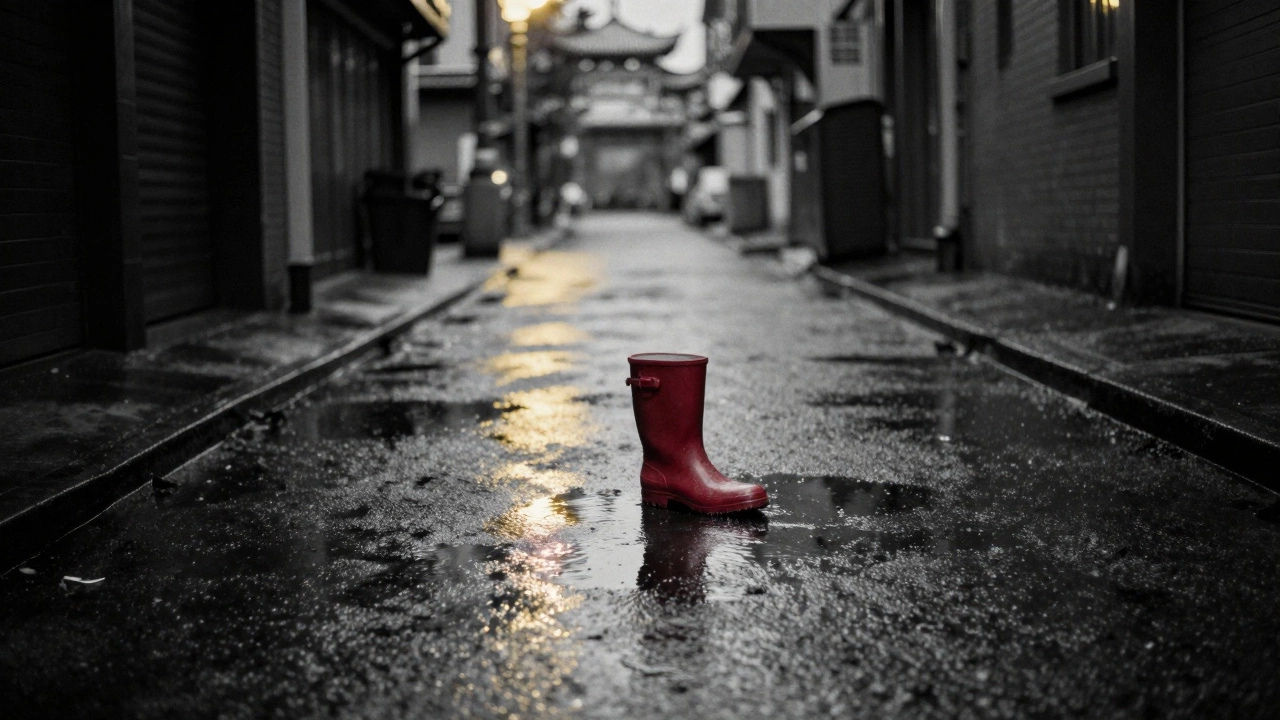
Reflections After Rain is a 16x20 inch print, mounted on aluminum. It shows a single child’s red rainboot, half-submerged in a puddle beside a quiet alley in Chinatown. Above it, the reflection of a streetlamp glows like a halo. No faces. No people. Just the boot, the water, and the light. The judges called it "a silent poem about loneliness and resilience."
What made it stand out wasn’t the technique - though her use of long exposure and manual focus was unusually precise for someone her age. It was the emotion. She didn’t stage it. She waited. For 47 minutes. She didn’t know the boot belonged to someone. She just knew it looked like it had been left there on purpose.
The photo sold for $8,500 at auction. Maya donated the money to a local youth photography program for kids who can’t afford equipment. She didn’t tell anyone she’d done it until a reporter found the receipt.
What sets her apart from other young photographers
There are plenty of kids with DSLRs and Instagram accounts. What makes Maya different isn’t the gear - she still uses the same Nikon, with a 50mm f/1.8 lens she bought with birthday money. It’s her patience. She doesn’t chase trends. She doesn’t post daily. She doesn’t care about likes.
She keeps a notebook. Not for captions or hashtags. For questions. Things like:
- Why does the light look different here at 6:15 a.m. than at 6:20?
- What does silence look like in a crowded market?
- Who left this shoe, and why didn’t they come back?
Her mentor, retired photojournalist Elena Ruiz, says Maya has the eye of someone who’s seen too much too soon - but not in a tragic way. In a quiet, thoughtful way. She notices the way a curtain moves in an empty room. The way a street sign’s shadow falls across a bakery window at exactly 3:42 p.m. in winter.
Her influences and artistic roots
Maya doesn’t follow other photographers on Instagram. She reads books. She’s read every book by Diane Arbus, Walker Evans, and Sally Mann. She doesn’t copy them. She listens to them. She says Arbus taught her to look without judgment. Evans taught her to find beauty in the ordinary. Mann taught her that a photograph isn’t about what’s there - it’s about what’s missing.
She’s also drawn to Japanese photography. She loves the work of Daido Moriyama - the grain, the blur, the rawness. She doesn’t try to replicate it. She absorbs it. Then she turns it into something only she could make.
How she balances school and art
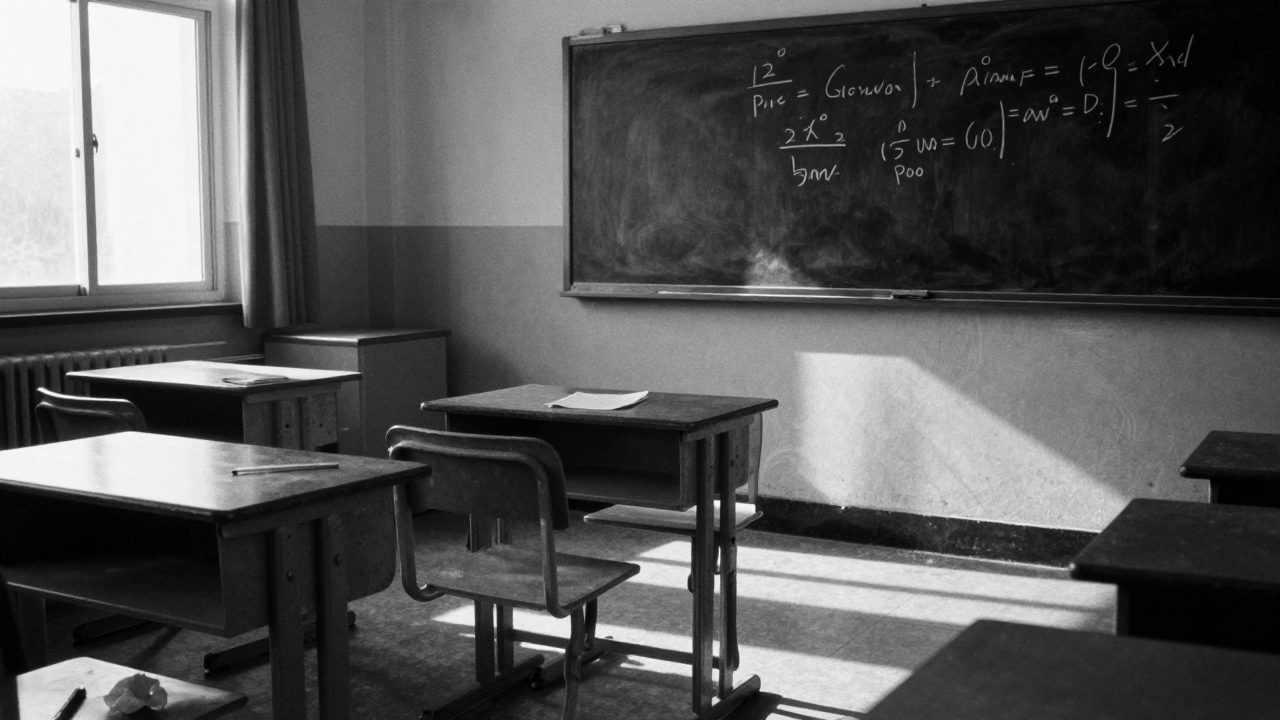
Maya is in eighth grade. She does her homework on the bus. She writes essays while waiting for the light to change. Her teachers know she’s different. One of them let her turn in a photo series instead of a book report on To Kill a Mockingbird. Her project, Shadows in the Classroom, showed empty desks, forgotten pencils, and chalkboards with half-erased equations. The school displayed it in the hallway for a month.
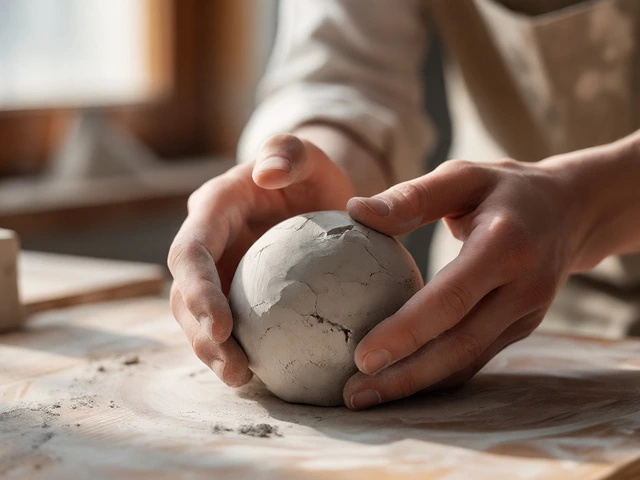
She doesn’t have a photography class. She doesn’t need one. She learns by doing. She watches documentaries on YouTube about film development. She taught herself how to develop black and white film in her bathroom using a kit she ordered online. Her parents don’t interfere. They just make sure she has hot tea when she comes in from the cold.
What’s next for Maya Wei
She’s working on a new project called Things Left Behind. So far, she’s photographed a single glove on a park bench, a broken umbrella in a gutter, a child’s drawing taped to a bus stop pole. Each image is labeled only with a date and location. No names. No explanations.
She plans to submit it to the Vancouver Art Gallery’s Young Artists Showcase next spring. She doesn’t expect to win. She doesn’t care if anyone sees it. She just wants to keep looking. To keep asking the questions.
When asked what she wants to be when she grows up, she says, "I want to be the person who notices things before they’re gone."
Why her work matters in today’s art world
In a world where images are made in seconds and forgotten in minutes, Maya’s work is a quiet rebellion. She doesn’t need filters. She doesn’t need viral moments. She needs time. She needs stillness. She needs to wait.
Her photos remind us that photography isn’t about capturing what’s in front of you. It’s about seeing what’s behind it. The silence between breaths. The weight of absence. The story someone else didn’t think to tell.
She’s 13. She’s not a prodigy because she’s talented. She’s a prodigy because she’s patient. And in a world that rewards speed, that’s the rarest gift of all.
Who is the 13-year-old photographer everyone’s talking about?
The photographer is Maya Wei, a 13-year-old from Vancouver, Canada, known for her haunting black-and-white fine art photography. Her work, including the award-winning photo Reflections After Rain, has been exhibited internationally and praised for its emotional depth and quiet observation of everyday moments.
What camera does Maya Wei use?
Maya uses her grandfather’s old Nikon FM2 film camera with a 50mm f/1.8 lens. She doesn’t use digital cameras or smartphones for her serious work. She developed her own film in her bathroom and prints her photos by hand.
Has Maya Wei won any awards?
Yes. In 2025, she won first prize at the International Fine Art Photography Festival for her photo Reflections After Rain. She was the youngest winner in the festival’s 37-year history. Her work has also been featured in the Vancouver Art Gallery’s Young Artists Showcase.
How does Maya Wei approach her photography?
Maya works slowly and intentionally. She doesn’t take hundreds of shots. She waits - sometimes for over an hour - for the right light, the right moment. She shoots only in black and white and avoids staging scenes. Her photos capture quiet, unspoken moments: an abandoned shoe, a reflection in a puddle, an empty chair.
Is Maya Wei self-taught?
Yes. She taught herself how to use a film camera, develop black-and-white film, and print photos. She learned by reading books by Diane Arbus, Walker Evans, and Sally Mann, and watching online tutorials about analog photography. She has never taken a formal photography class.
What themes does Maya Wei explore in her work?
Her work focuses on absence, solitude, and quiet resilience. She’s drawn to objects left behind - gloves, umbrellas, shoes - and the stories they imply. Her photos often show empty spaces, reflections, and shadows, inviting viewers to wonder about the people who aren’t there.