Physical Art Value Calculator
Measure Your Art's Human Presence
The article explains that physical art holds space for uncertainty, imperfection, and human presence. This calculator quantifies how much "authenticity" your physical artwork contains based on the elements that can't be replicated digitally.
Authenticity Score
Your score measures how deeply human presence is embedded in your artwork. Higher scores reflect the physical traces, time investment, and imperfect beauty that make painting irreplaceable in the digital age.
Artworks with scores above 80 demonstrate the profound value described in the article: where a single brushstroke carries the weight of hesitation, fatigue, and memory that algorithms can never replicate.
Why do artists still paint when they can generate images with AI, edit photos in seconds, or build immersive VR worlds? It’s not nostalgia. It’s not because they don’t know how to use a tablet. It’s because painting, in 2026, does something no algorithm can replicate: it holds space for uncertainty, imperfection, and human presence.
The Weight of the Brush
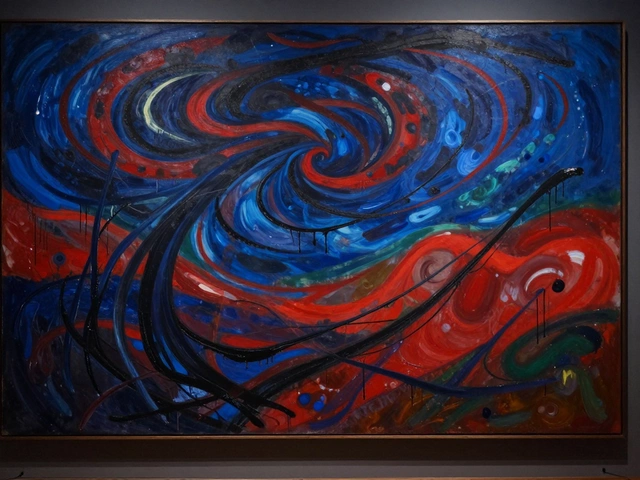
In 2023, a digital artwork sold for $69 million. In 2025, a small oil painting on linen by a little-known artist in Toronto sold for $1.2 million at a small auction house. Why? Because the digital piece was generated by a prompt. The oil painting had fingerprints, brushstrokes that changed direction mid-line, and a crack in the varnish from being moved too quickly in 2018. People don’t pay for the image. They pay for the time, the hesitation, the mistake that became part of the story. Painting today isn’t about making something pretty. It’s about making something true. Artists like Julie Mehretu layer acrylic and ink over torn paper, then scrape it back with a palette knife. Her work doesn’t look like a digital collage-it looks like memory being rebuilt. That’s the difference. Digital tools erase. Painting reveals.Painting as a Physical Act
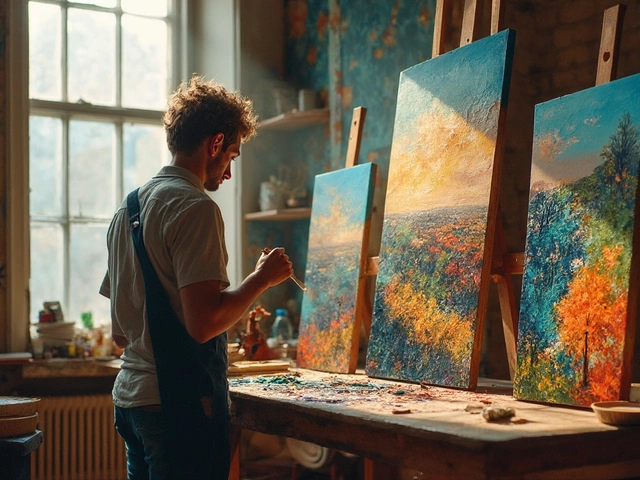
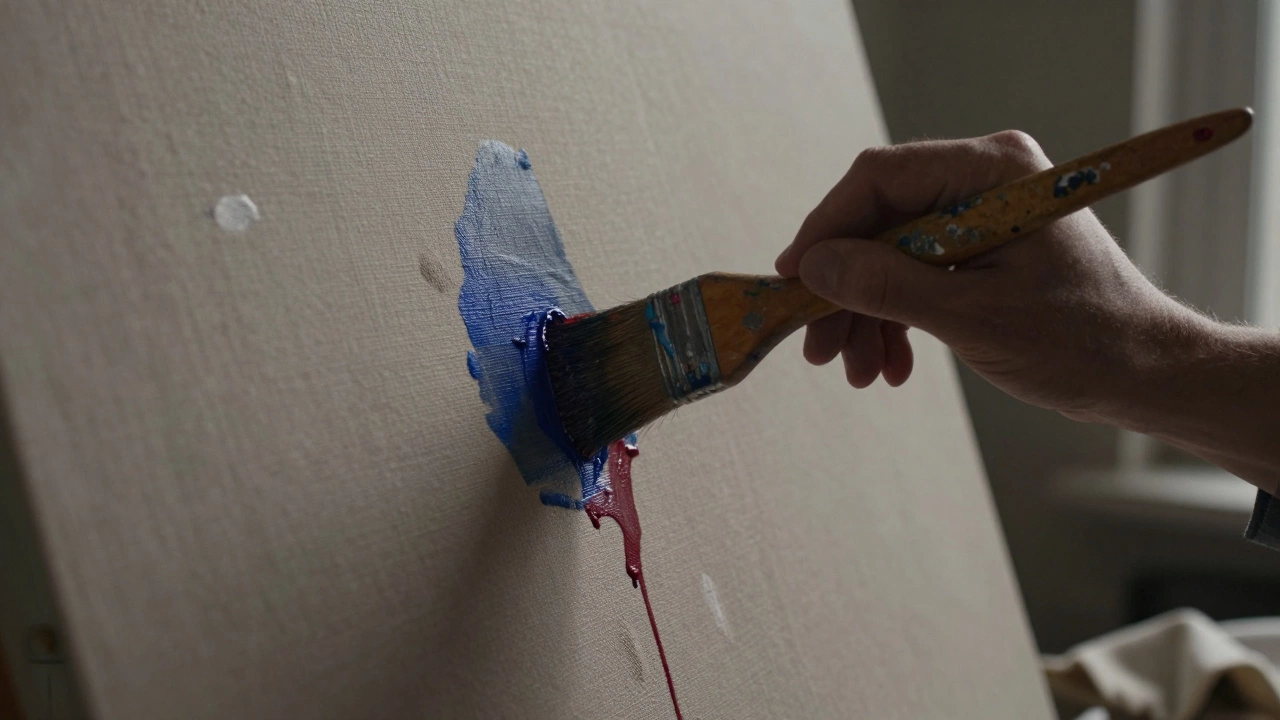
Think about how you hold a brush. Your fingers ache after an hour. Your shoulder tightens. Your breath slows. You lean in. You pull back. You wipe the brush on a rag soaked in turpentine. You don’t undo. You paint over. You live with the mess. This isn’t just technique. It’s ritual. A 2024 study from the University of British Columbia tracked artists working in paint versus those using tablets. Those painting physically showed higher levels of cortisol reduction and sustained focus over time. Their brains weren’t just creating-they were regulating. Painting became a form of embodied meditation. When you scroll through a feed of AI-generated landscapes, they all look like they were made by the same ghost. But look at a painting by Kerry James Marshall, or Amy Sherald, or even a local artist in Vancouver’s East Side-each stroke carries the rhythm of their body, their fatigue, their mood that morning. That’s not replicable. It’s not even reproducible.Why Paint When You Can Print?
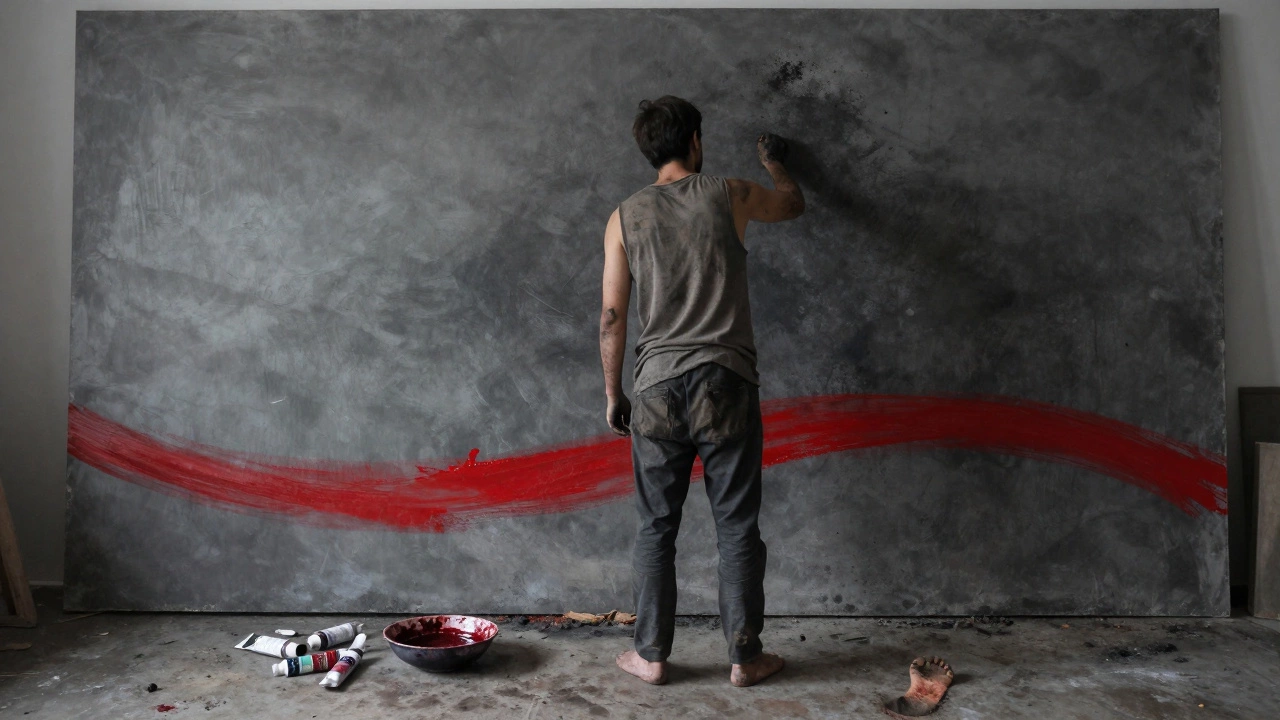
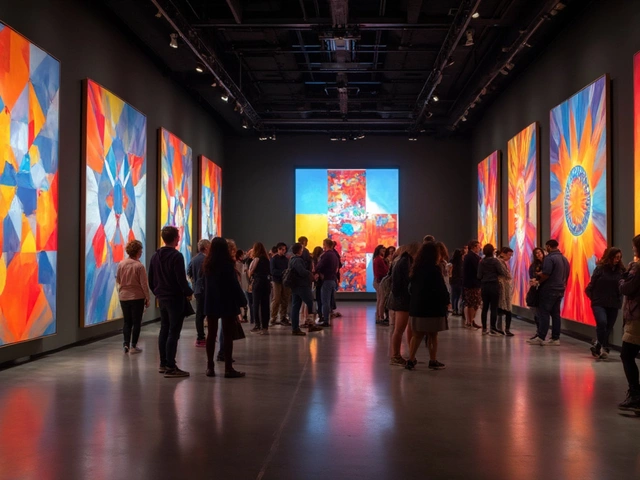
Some say painting is obsolete. That printing a digital image onto canvas is cheaper, faster, and just as expressive. But that’s like saying a printed poem is the same as a handwritten one. The material matters. A canvas isn’t just a surface. It’s a record. The texture of the weave, the way the paint sinks into the gesso, the slow drying time that forces you to wait-it all changes how you think. You can’t rush a painting. You can’t hit ‘undo’ when you mess up a face. You have to decide: do I fix it? Do I bury it? Do I let it stay? In 2025, the Museum of Contemporary Art in Los Angeles opened a show called Unfinished. It featured 37 paintings that were intentionally left incomplete. One had a single red stroke across a white field, applied three years ago and never touched again. Visitors stood in front of it for minutes, not seconds. They weren’t looking for beauty. They were looking for proof that someone had been there.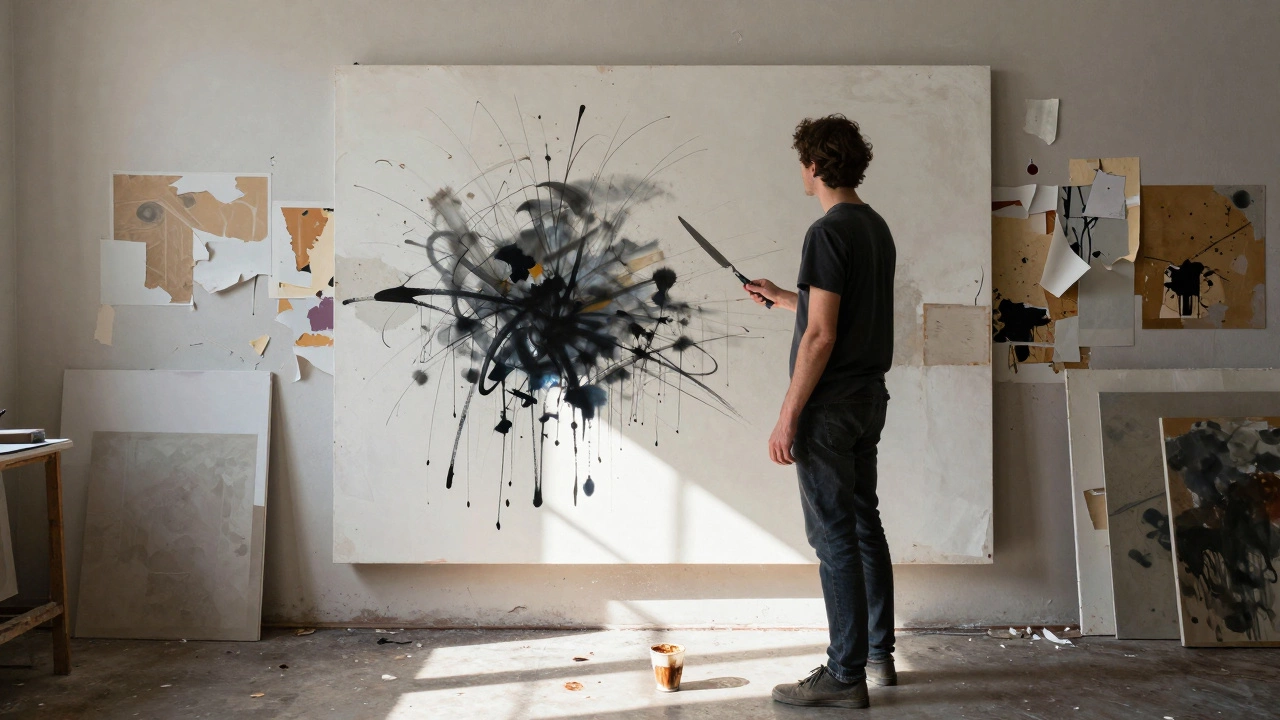
The Rebellion of Slowness
We live in a world that rewards speed. TikTok videos last 15 seconds. AI generates a full illustration in 3.7 seconds. News cycles die before they’re fully read. Painting resists this. It asks for patience-from the artist and the viewer. A painter might spend six months on a single piece. They don’t post progress shots. They don’t monetize the process. They just show up. Day after day. Sometimes nothing happens. Sometimes something breaks open. This slowness is political. In a culture obsessed with output, painting becomes a quiet act of refusal. It says: I am not here to produce content. I am here to be present. Take the work of Canadian artist Rebecca Belmore. She paints with mud, charcoal, and blood on raw canvas. Her pieces aren’t meant to hang in white galleries-they’re meant to be felt. They smell. They crack. They change over time. That’s not a flaw. That’s the point.Painting Is the Last Place for Uncertainty
AI gives you certainty. You type: “a woman crying under neon lights, cyberpunk style, hyperrealistic.” It gives you ten versions. All perfect. All safe. Painting doesn’t do that. You start with an idea. You paint. You hate it. You paint again. You scrape it down. You stare at the wall for two hours. You pick up a brush with your non-dominant hand. You make something ugly. Then, suddenly-it’s right. Not because it’s perfect. Because it’s honest. That’s why young artists, even those trained in digital media, are returning to paint. Not because it’s trendy. But because it’s the only medium that doesn’t lie to you. A digital file can be copied endlessly. A painting can’t. It’s one. It’s here. It’s alive. It breathes with the room. It reacts to light. It ages. It remembers where it’s been.