Feb 5, 2026
How Abstract Art Boosts Brain Health: Science-Backed Benefits
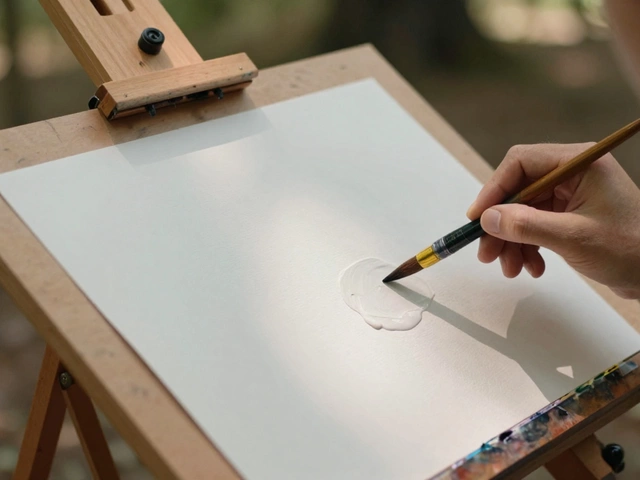
When you buy watercolor paper, a specially engineered paper designed to handle wet paint without warping or breaking down. Also known as watercolor board, it's not just thick paper—it's the stage for your colors, the surface that decides whether your washes flow smoothly or turn into muddy messes. Most people think any sketchbook will do, but that’s like using a paper towel to mop up a spill. Watercolor paper is built to absorb, hold, and release water in ways regular paper can’t. It’s made with cotton fibers, not wood pulp, which gives it strength when wet and a texture that grabs pigment just right.
The weight of the paper—measured in grams per square meter (gsm)—makes all the difference. 140 gsm, the most common weight for beginners will buckle if you soak it or use too much water. That’s why soaking it beforehand, or taping it down, becomes a must. 300 gsm, a heavier, more stable option can handle washes without any prep at all. You’ll see artists using it in galleries, workshops, and plein air setups across Pembrokeshire. Then there’s the surface: hot press (smooth), cold press (slightly textured), and rough (bold texture). Each one changes how paint behaves. Cold press is the sweet spot for most—gives you control without losing that organic feel.
People ask if you need to soak watercolor paper before painting. The answer? It depends. If you’re using 140 gsm and want big, soft washes without buckling, yes. But if you’re going for crisp edges or dry brush techniques, skipping it gives you more control. There are alternatives too—stretching the paper with gum tape, using a watercolor block, or even just taping it to a board. What matters isn’t the method, but knowing why you’re doing it. And if you’re printing your own artwork later, the paper you paint on affects how the final print turns out. Giclée prints on the same paper you painted on? That’s how you keep the texture, the grit, the soul of the original.
Behind every great watercolor piece is a choice made before the brush even touched the surface. It’s not about talent—it’s about understanding the material. The paper holds the paint, yes, but it also holds your intention. Whether you’re painting a coastal scene in St. Ives or a simple flower on your kitchen table, the right paper makes the difference between a painting that lasts and one that just fades.
Below, you’ll find real advice from artists who’ve been there—how to prep your paper, when to skip the soak, which brands actually work, and what mistakes to avoid. No fluff. Just what helps you paint better, faster, and with more confidence.
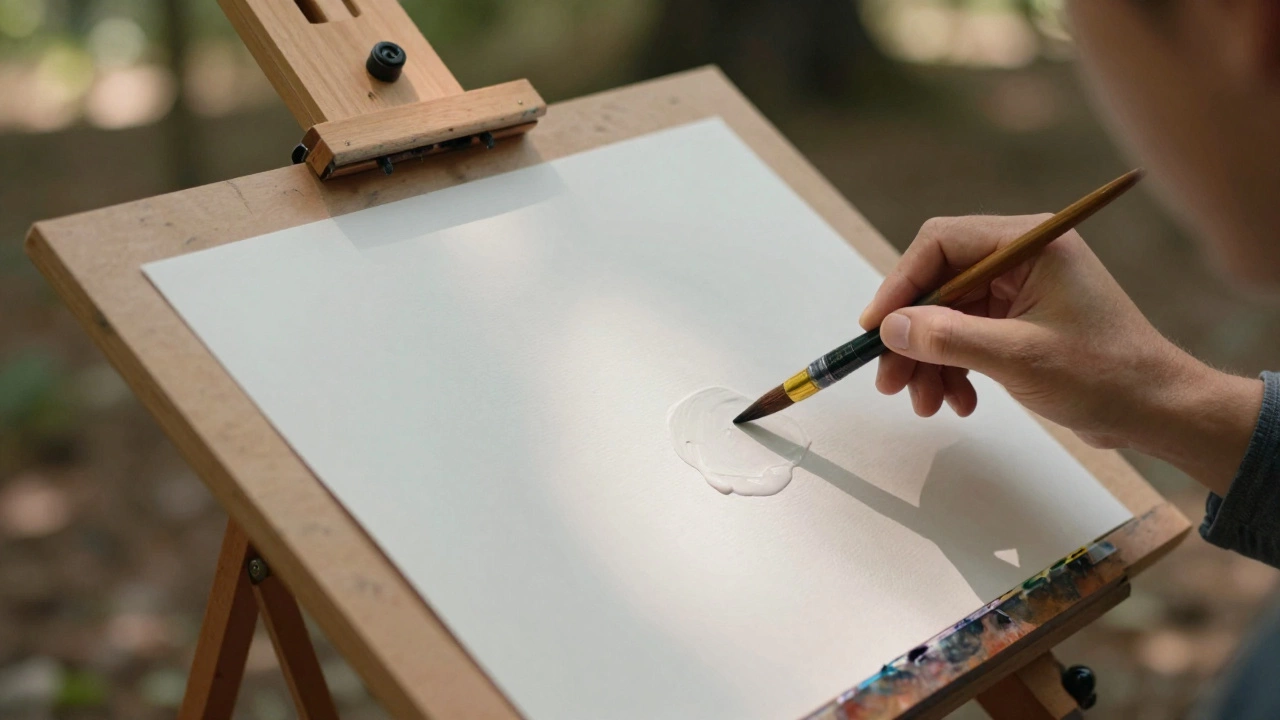
Discover better ways to keep watercolor paper flat without stretching. Watercolor blocks, mounted boards, and pre-stretched panels offer faster, cleaner results with no soaking or tape.