Feb 8, 2026
What Is a Master of Fine Arts Called? Understanding the MFA Degree in Fine Art Photography
When you paint a landscape, you’re not just copying what you see—you’re building a world. landscape composition, the deliberate arrangement of elements in a painting to guide the viewer’s eye and create a sense of space. Also known as visual organization, it’s what turns a pretty scene into a powerful image. Without it, your painting feels flat, confusing, or just random. Good composition doesn’t mean following rules like a robot. It means understanding how the human eye moves, where it rests, and what makes a scene feel alive.
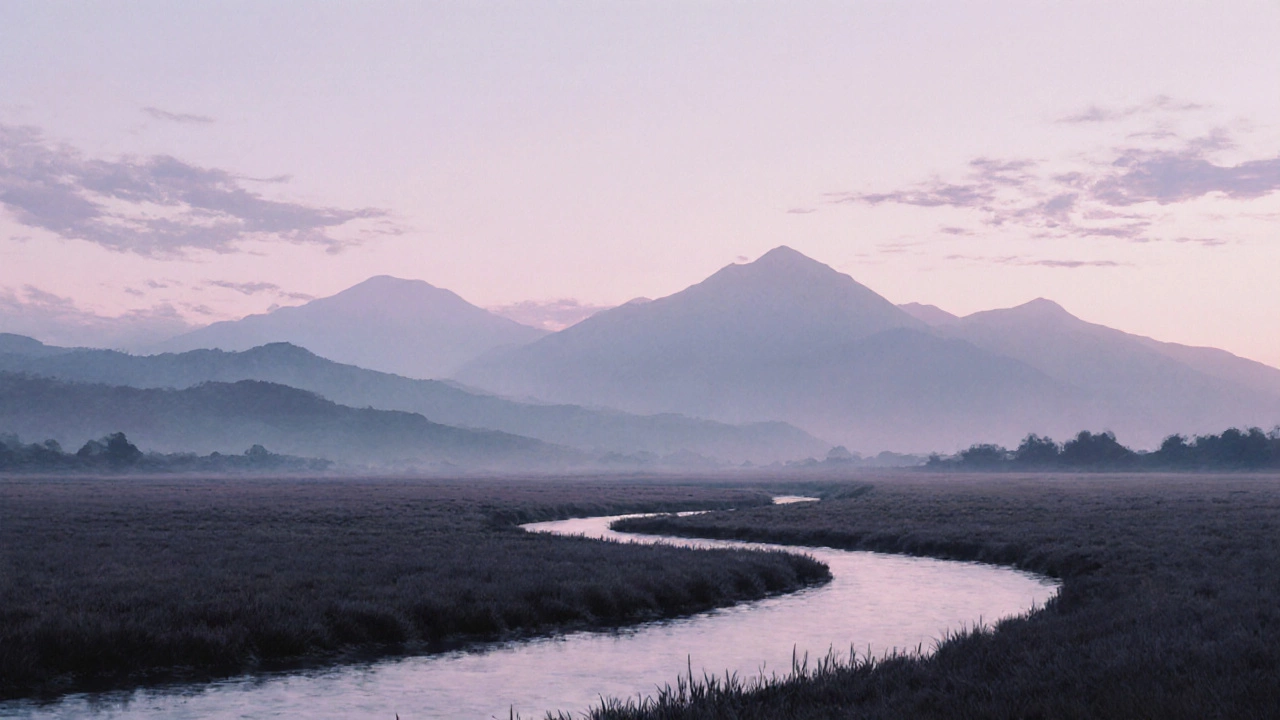
At the heart of every strong landscape is the foreground, the part of the scene closest to the viewer, often filled with texture, detail, and contrast. This is where you anchor the painting—rocks, grass, a path, or a tree stump. Then comes the middle ground, the main subject area where most of the action happens, like fields, hills, or water. This is where your focal point lives. Finally, the background, the farthest layer, usually softer, lighter, and cooler in color to suggest distance. These three layers work together like a stage: the foreground pulls you in, the middle ground holds your attention, and the background gives you breathing room. Skip one, and the whole thing falls apart.
It’s not just about layers. Light, color, and line all play their part. A winding path in the foreground leads to a distant mountain. Warm colors in the front push forward; cool blues in the back pull away. A tree on the left balances a cloud on the right. These aren’t tricks—they’re how your brain reads space. Artists who master this don’t paint every leaf. They paint the story the shapes tell.
You’ll find plenty of examples in the posts below. Some show you how to simplify a messy scene using just three values. Others break down how to use the rule of thirds without making it look forced. There are tips on color palettes that make distance feel real, and tricks for adding texture without overworking the paint. Whether you’re using oil, acrylic, or digital tools, the same principles apply. This isn’t about being perfect. It’s about being intentional. And once you start seeing landscapes this way, you’ll notice it everywhere—in photos, in movies, even in the view out your window.
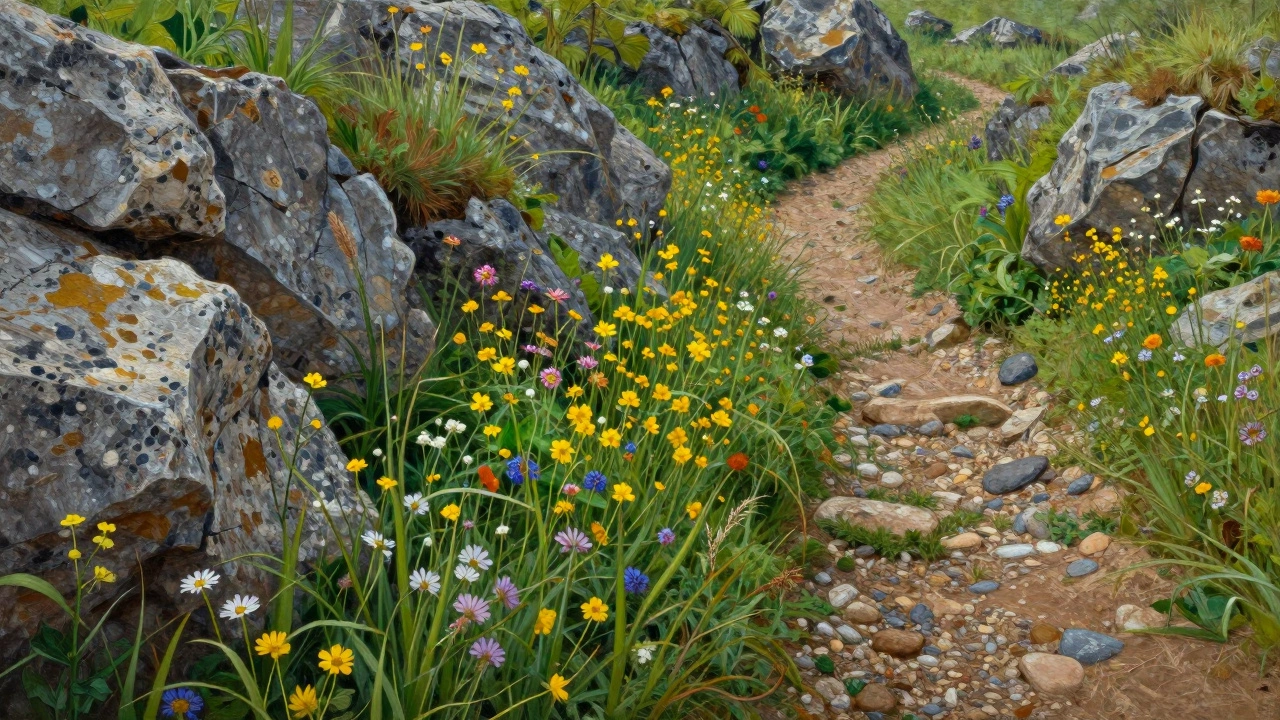
Learn the four essential parts of a landscape in art-foreground, middle ground, background, and atmospheric perspective-and how they create depth and realism in paintings.
Learn the essential rules of drawing landscapes-from perspective and value to focal points and texture. These proven techniques help you create depth, mood, and realism without overworking details.