Digital Art Purchase Comparison Tool
Calculate Your Digital Art Purchase
Why This Matters
Digital art ownership has evolved beyond NFTs. Each option offers different benefits for collectors:
- ✓ Blockchain Verification Strong
- ✓ Environmental Impact High
- ✓ Platform Fees $50-$200
Five years ago, people laughed at the idea of paying thousands for a JPEG. Today, a digital artwork sold for $69 million at Christie’s. That wasn’t a fluke. It was a signal. And since then, the market hasn’t just survived-it’s grown louder, weirder, and more real than most expected.
Yes, people are still buying digital art
They’re not buying it because it’s trendy. They’re buying it because it’s scarce, verifiable, and tied to identity. The idea that digital art can’t be owned because it’s just pixels? That myth died in 2021 when CryptoPunks and Bored Apes became status symbols. Today, collectors don’t just want to see the art-they want to prove they own it. And blockchain makes that possible.
Platforms like SuperRare, Foundation, and Async Art aren’t just galleries. They’re auction houses with public ledgers. Every sale is recorded. Every owner is traceable. And when someone buys a digital piece, they’re not just getting a file-they’re getting a certificate of authenticity that can’t be copied or forged. That’s the same thing physical collectors pay for in a museum-quality painting. Only now, it’s digital.
Who’s buying it?
It’s not just crypto bros. The buyer base has expanded. In 2025, over 42% of digital art buyers are under 35, but nearly 30% are between 45 and 65. They’re doctors, teachers, engineers, and retirees who got curious after seeing a friend’s NFT profile picture. They don’t care about the tech-they care about the art. And they’re willing to pay.
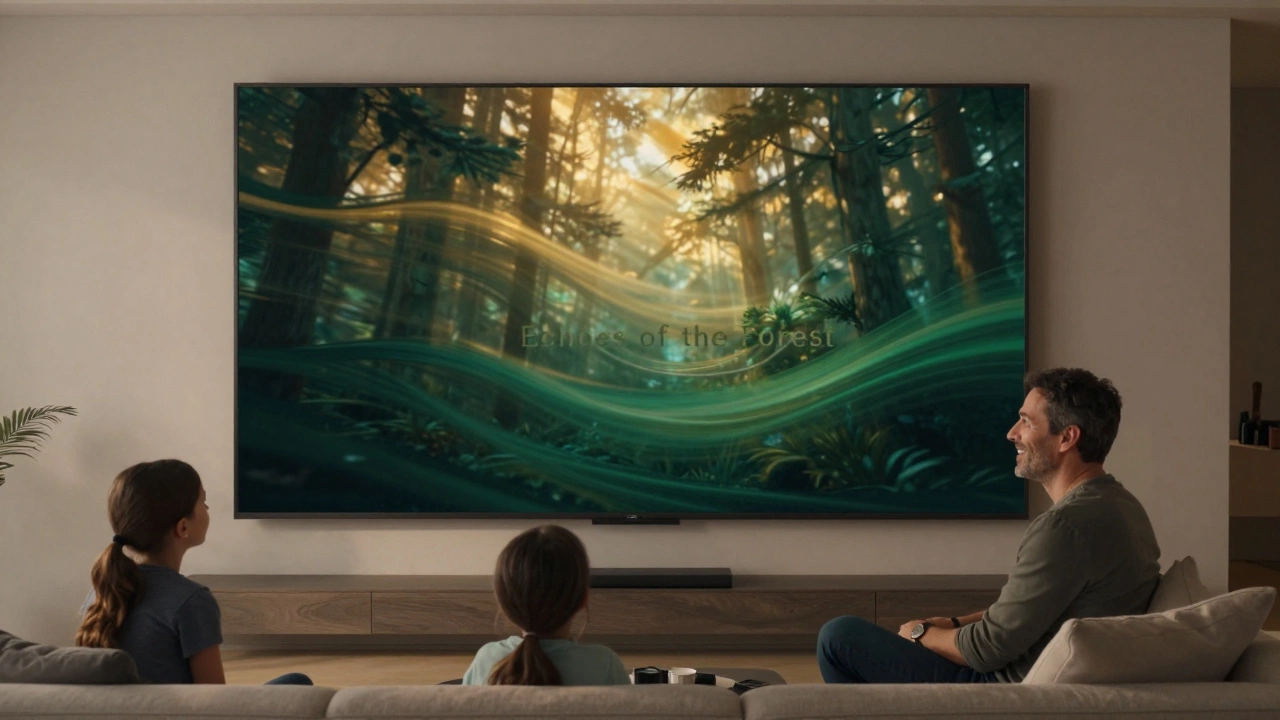
One collector in Toronto bought a generative piece called "Echoes of the Forest" for $8,500. He didn’t know what a smart contract was. He just loved how the colors shifted subtly over time, like a living painting. He hangs it on a 65-inch OLED screen in his living room. His kids call it "the magic wall." That’s the real story now: digital art isn’t about speculation. It’s about experience.
It’s not just NFTs anymore
People still think digital art = NFTs. But that’s outdated. There’s a quiet revolution happening outside the blockchain.
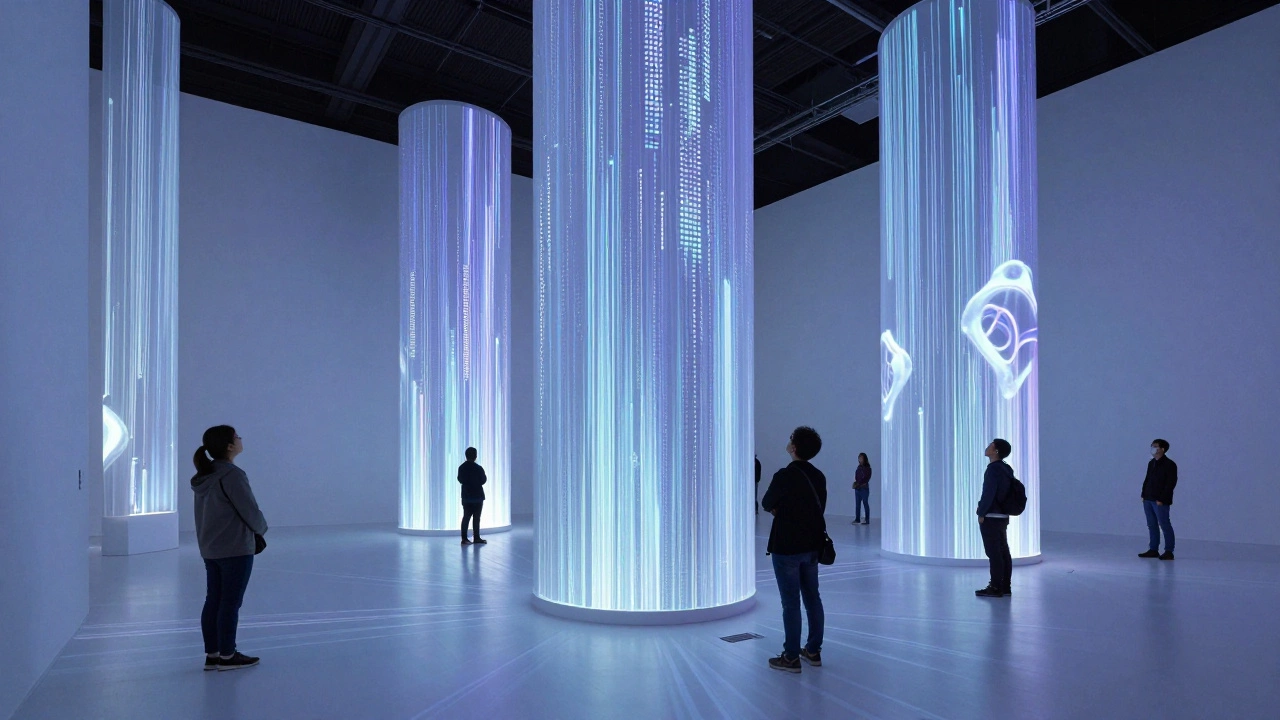
Artists like Refik Anadol and teamLab are creating immersive digital installations in museums worldwide. You can’t buy the installation-but you can buy a limited-edition digital print signed by the artist, delivered with a QR code linking to its provenance. These prints sell for $2,000 to $15,000. Galleries in New York, Berlin, and Tokyo are now dedicating entire wings to digital-only collections.
Then there’s the rise of digital-only galleries. Platforms like Artory and Verisart let artists issue digital certificates of authenticity without blockchain. Collectors download a file, store it in their digital vault, and know it’s real. No Ethereum gas fees. No crypto wallet. Just art, verified.
Some artists even sell digital originals as downloadable files with embedded metadata. The buyer gets a high-res file, a signed PDF, and a unique serial number. It’s not flashy, but it works. And sales are up 78% since 2023, according to a report by the Digital Art Market Association.
Why does this matter?
Because digital art is changing what ownership means.
Before, owning art meant hanging it on your wall. Now, owning it can mean displaying it on your screen, in your VR space, or even in a metaverse apartment. A collector in Seoul bought a digital portrait and programmed it to change expression based on the weather in Vancouver. That’s not just ownership-it’s interaction.
Artists are also benefiting. No more middlemen. No more gallery cuts. A digital artist can sell directly to a buyer in Osaka, Paris, or Lima, and get paid instantly. One artist from Edmonton sold 372 pieces of generative art in a single week, earning over $120,000. No studio rent. No shipping costs. Just code and creativity.
What’s the catch?
It’s not perfect. The hype cycle crashed in 2022. Many projects collapsed. Some artists got burned. But the survivors? They’re building real businesses.
Scams still exist. Fake collections. Fake provenance. But the tools to spot them are better now. Reputable platforms verify artists. Smart contracts lock in royalties. Buyers can check the entire history of a piece with one click.
And then there’s the environmental concern. Early NFTs used a lot of energy. But most major platforms switched to proof-of-stake blockchains years ago. Ethereum’s carbon footprint dropped by 99.95% after its 2022 upgrade. Today, minting one digital artwork uses less power than streaming a YouTube video for five minutes.

How to start collecting
If you’re curious, you don’t need to buy a $10,000 piece. Start small.
- Visit SuperRare or Foundation. Filter by "under $100".
- Look for artists who post behind-the-scenes videos. Real creators show their process.
- Buy one piece. Just one. See how it feels to own something digital that no one else has.
- Store it in a wallet like MetaMask or a custodial platform like Coinbase NFT.
- Display it. Use a digital frame, a tablet, or a screen saver.
There’s no rush. No FOMO. The market isn’t about flipping. It’s about connection. The best digital art doesn’t just sit on your screen-it changes how you see the world.
It’s not a trend. It’s a medium.
Painting didn’t die when photography came along. Sculpture didn’t vanish when 3D printing arrived. Digital art isn’t replacing traditional art-it’s expanding it.
Today, artists use AI, code, motion, sound, and interactivity. A piece can respond to your voice. It can evolve as you grow older. It can be part of a living collection that changes with time.
People still buy digital art because it’s beautiful. Because it’s rare. Because it’s theirs. And because, for the first time in history, you can own something that exists only in the digital world-and know it’s real.