Jun 17, 2025
Most Popular Musical Ever: The Show That Changed Everything
When you pick up a watercolor block, a bound pad of watercolor paper designed to stay flat during painting. Also known as a watercolor pad, it’s not just paper glued on all four sides—it’s a solution to one of the biggest frustrations in watercolor: buckling. Unlike loose sheets that curl and warp when wet, a watercolor block holds its shape. The paper is glued along the edges, so when you paint, the moisture pulls the fibers tight instead of letting them lift. Once your painting dries, you simply slide a palette knife under the last sheet to release it. No stretching. No tape. No mess.
This simple design makes the watercolor block, a bound pad of watercolor paper designed to stay flat during painting. Also known as a watercolor pad, it’s not just paper glued on all four sides—it’s a solution to one of the biggest frustrations in watercolor: buckling. a go-to for artists who paint outdoors or need quick, reliable results. You don’t need to prep the paper ahead of time. Just open the block, paint, and walk away. It’s especially popular with beginners because it removes the guesswork of paper weight and preparation. But even pros use it when speed and consistency matter—like during workshops, plein air sessions, or when sketching ideas fast.
Not all watercolor blocks are the same. The best ones use 100% cotton paper, usually 140 lb or 300 gsm, which holds water without tearing. Cheaper blocks use wood pulp, which can yellow over time or bleed color unevenly. The binding matters too—some use glue that’s too stiff, making it hard to remove the finished piece. Others use a weak bond that lets sheets lift too early. Look for brands that specialize in artist-grade materials. If you’ve ever struggled with warped paper ruining a painting, you already know why this matters.
Watercolor blocks also connect to other tools artists rely on. They’re often used alongside watercolor paper, specialized paper engineered to absorb and hold water-based pigments without warping. Also known as cold press paper, it comes in different textures and weights, which affect how paint spreads. A 140 lb block is the sweet spot for most painters—light enough to carry, heavy enough to handle washes. And if you’re into watercolor techniques, methods like wet-on-wet, glazing, and lifting that rely on paper behavior. Also known as watercolor methods, they’re harder to control on flimsy paper, a good block gives you the stability you need to experiment.
It’s not just about convenience—it’s about control. When your paper doesn’t move, your brush does. You can layer washes without fear of lifting earlier layers. You can wet the whole surface for soft edges without the paper curling up at the corners. You can paint for hours without stopping to tape down sheets. That’s the real value of a watercolor block: it lets you focus on the art, not the setup.
Below, you’ll find real advice from artists who’ve used these blocks in every condition—from rainy coastal walks in Pembrokeshire to studio sessions in the middle of winter. Some swear by soaking the paper first. Others say never touch it. Some use them for quick sketches. Others finish full paintings on them. Whether you’re just starting out or looking to refine your process, the posts here cut through the noise and show you what actually works.
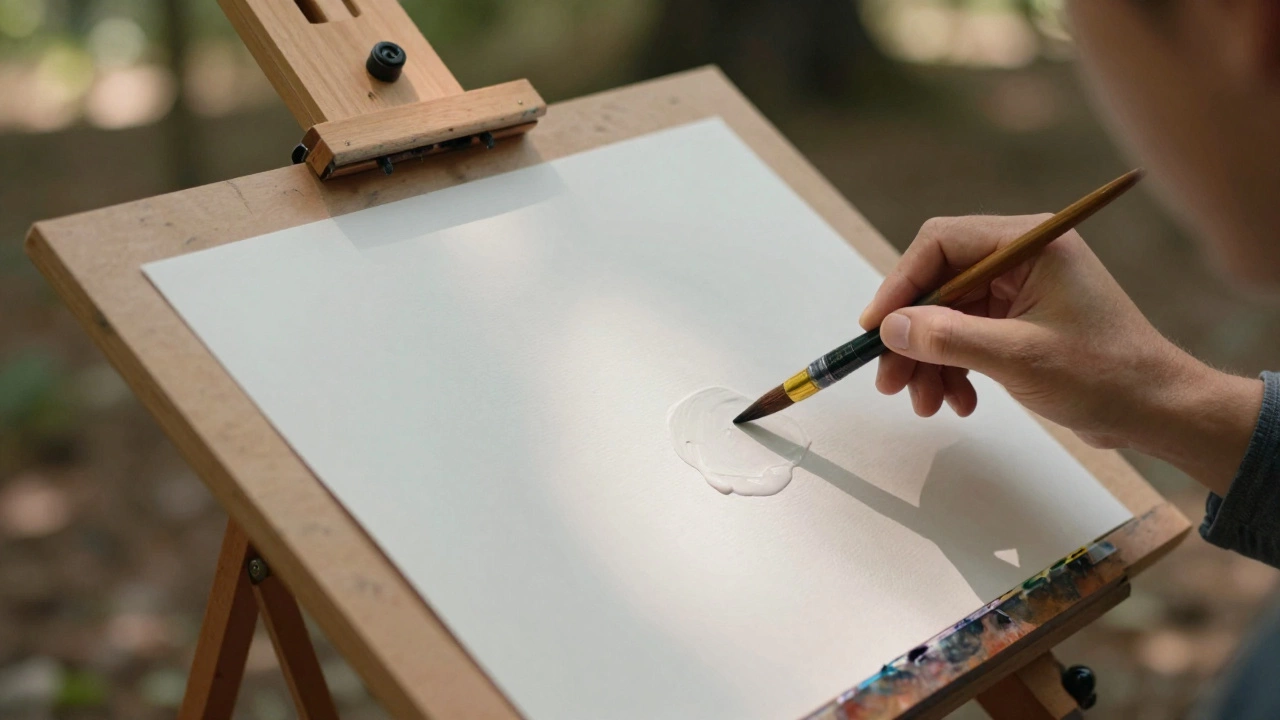
Discover better ways to keep watercolor paper flat without stretching. Watercolor blocks, mounted boards, and pre-stretched panels offer faster, cleaner results with no soaking or tape.