Mar 23, 2025
Is My Photography Fine Art? The Basics You Need to Know
When you think of oil painting, a traditional art form using pigments mixed with drying oils like linseed oil. Also known as oil on canvas, it’s one of the most flexible and enduring ways to create art. You might picture complex masterpieces, but the truth is, some of the most powerful oil paintings start with the simplest ideas. You don’t need to paint a perfect sunset or a detailed portrait to make something that feels alive. All you need is a clear subject, a few basic colors, and the willingness to let the paint do its thing.
Many beginners get stuck trying to make their work look "professional" right away. But real progress comes from working with what’s easy—not what’s impressive. landscape painting, a style focused on natural scenery like hills, trees, water, and skies is one of the most forgiving places to start. You don’t have to get faces right. You don’t need perfect perspective. Just block in shapes, play with light and shadow, and let the brushstrokes breathe. A single tree against a sky, a quiet path winding through grass, or a calm stretch of water with a few clouds—that’s all it takes. These simple scenes are everywhere in Pembrokeshire, and they make perfect subjects for oil paint.
Another great starting point is still life. A single apple on a table, a cup with a spoon, a folded towel. These objects don’t move. You can paint them slowly, watch how the light changes, and learn how to mix colors that feel real. Oil paint dries slowly, which means you can blend, wipe, and rework without rushing. It’s like having time to think while you paint. And if you’re unsure where to begin, look at the posts below. You’ll find guides on oil painting techniques, methods like glazing, impasto, and underpainting used to build texture and depth, how to pick the right brushes, and even how to avoid common mistakes like overworking the paint or using too much solvent.
What makes these simple ideas work isn’t complexity—it’s focus. Instead of trying to paint everything, you pick one thing and explore it. That’s how you learn. That’s how you find your style. You don’t need a studio. You don’t need expensive supplies. Just a small canvas, a tube of titanium white, some ochre, ultramarine, and burnt sienna—and the patience to let the paint settle. The collection below brings together real, tested ideas from artists who’ve been where you are. Some are for absolute beginners. Others help you take your next step. No fluff. No theory without practice. Just clear, useful ways to start painting with oil—and keep going.
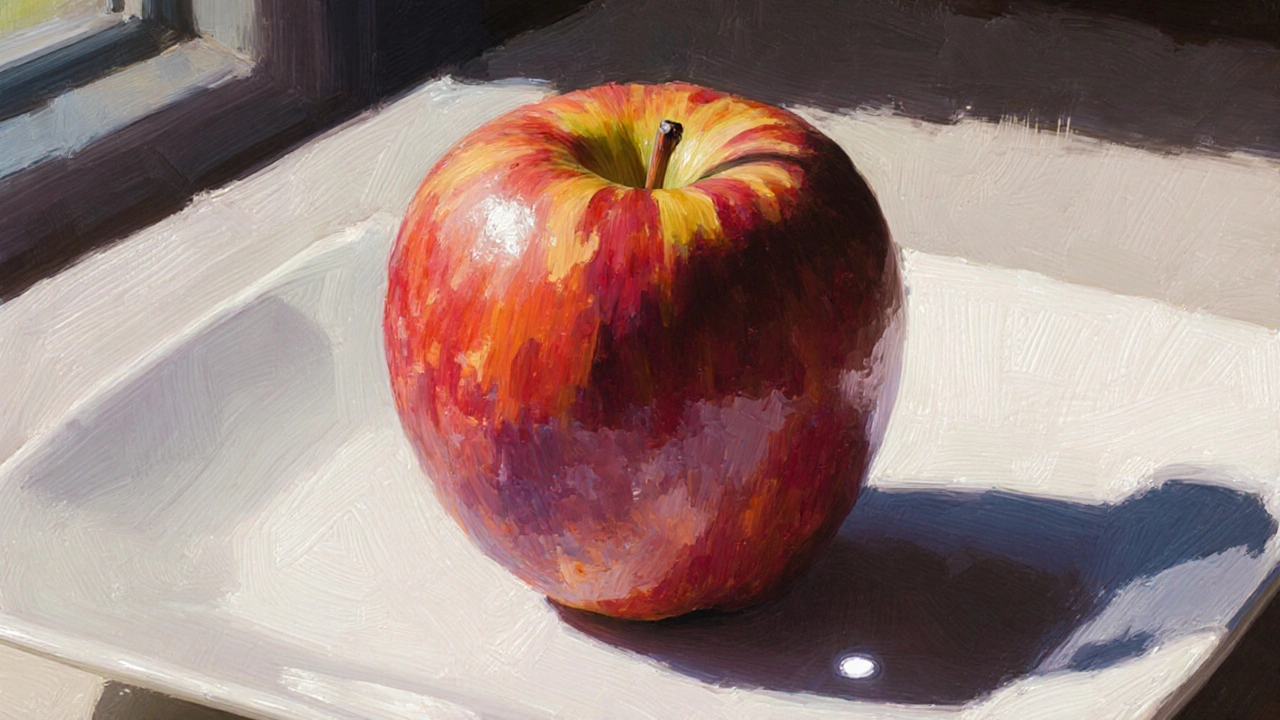
The easiest thing to paint in oil painting is a single apple. It teaches color, light, and form without overwhelming beginners. Start with three colors, one object, and patience.