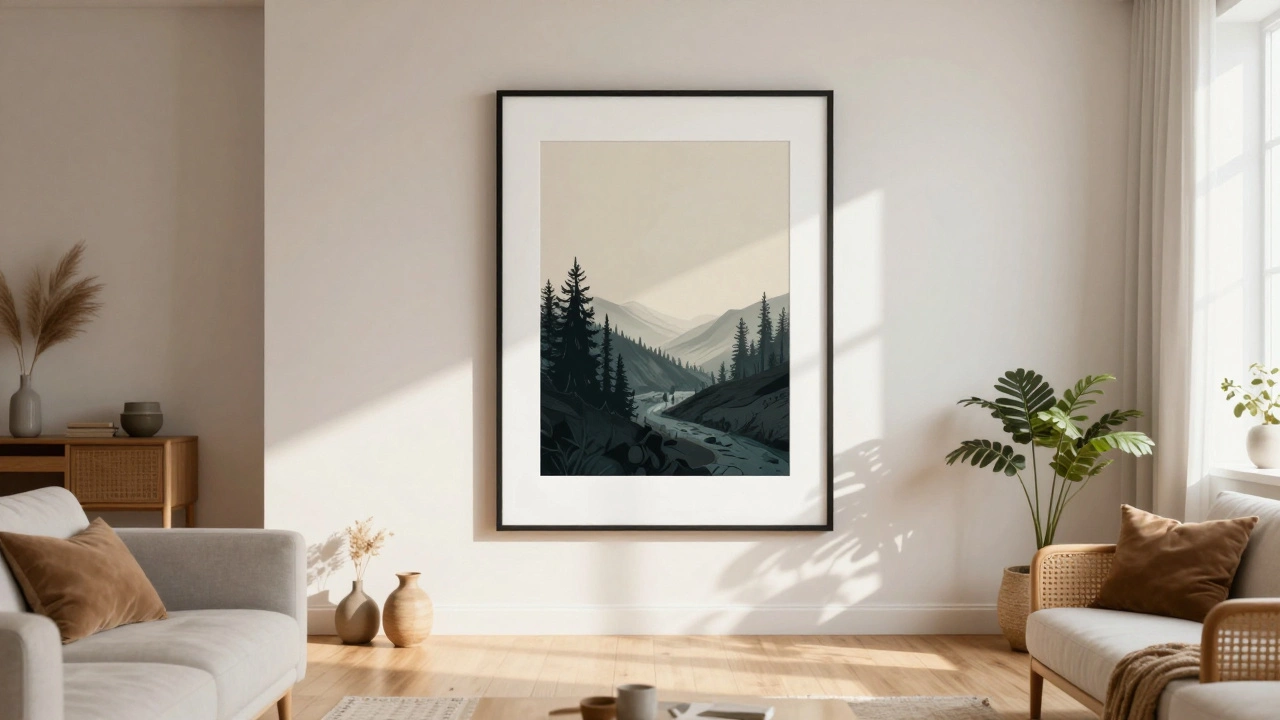
Art Print Profit Calculator
The question isn't really if people buy art prints online anymore. It’s why they do it, who is buying, and how the landscape has shifted since the pandemic permanently changed our relationship with digital commerce. In 2026, the answer is a resounding yes. The global market for decorative art has exploded, moving far beyond niche collectors to become a mainstream home decor staple. But if you are an artist wondering whether uploading your work to a platform will pay the bills, or a buyer curious about the quality of what you see on a screen, the reality is more nuanced than a simple "yes."
The short version: millions of transactions happen daily. From massive platforms like Etsy and Society6 to independent Shopify stores run by single illustrators, the infrastructure for buying and selling printed art is robust, accessible, and highly competitive. However, success in this space requires understanding that buyers aren't just purchasing an image; they are buying a piece of their identity, a conversation starter for their living room, or an affordable way to support a creator they love.
The Shift from Galleries to Living Rooms
Historically, art was something you visited. You went to a gallery, stood under harsh lighting, and admired a painting you couldn't afford. Today, art is something you scroll past on Instagram or Pinterest while making coffee. This shift in discovery has fundamentally altered the purchase journey.
In 2026, the average art buyer is not a wealthy collector hunting for investment-grade originals. They are millennials and Gen Z homeowners, renters looking to personalize temporary spaces, and interior design enthusiasts. For these demographics, convenience is king. The ability to see a high-resolution preview, read reviews from other buyers, and have a framed print delivered to their door in three days outweighs the tactile experience of visiting a physical shop.
This democratization has led to a surge in volume. According to recent e-commerce data, the home decor category consistently ranks among the top five online shopping sectors globally. Within that, wall art is a dominant sub-category. The barrier to entry for artists has lowered, but the barrier for visibility has risen. You can now sell art without a dealer, but you also compete with millions of other sellers.
Where Do People Actually Buy?
If you're asking where the money is flowing, it's split between three main types of platforms. Understanding these distinctions is crucial for both buyers seeking quality and sellers seeking audience.
| Platform Type | Examples | Best For | Price Point |
|---|---|---|---|
| Marketplaces | Etsy, Amazon Handmade | Buyers seeking unique, handmade, or vintage feels | $15 - $80 |
| Print-on-Demand (POD) | Society6, Redbubble, Minted | Artists wanting zero upfront cost; buyers wanting variety | $20 - $60 |
| Independent Stores | Shopify, BigCartel, Squarespace | Established artists building a brand; loyal fans | $30 - $200+ |
Etsy remains the heavyweight champion for independent art prints. Its search algorithm favors "handmade" and "vintage," which gives original digital illustrations and limited-edition giclée prints a significant advantage over mass-produced stock imagery. Buyers trust Etsy's review system, which provides social proof essential for online purchases.
On the other hand, Print-on-Demand services like Society6 appeal to a different demographic. These platforms handle printing, shipping, and customer service. For the buyer, this means easy returns and consistent quality control. For the artist, it means lower margins but zero risk. The catch? Saturation. Because it's so easy to upload, finding your specific style among millions of listings requires strong marketing skills.
Independent stores offer the highest profit potential but require the most work. An artist using Shopify must drive their own traffic via social media, email lists, or SEO. However, when done right, these stores build deeper connections. A buyer from an independent store often knows the artist's story, creating a loyalty that marketplace shoppers rarely exhibit.
What Drives the Purchase Decision?
Why does someone click "buy" on a JPEG file? It comes down to three psychological triggers: emotion, aesthetics, and accessibility.
- Emotional Connection: People buy art that resonates with their personal experiences. A print of a rainy Vancouver street might sell to someone who misses the Pacific Northwest. A whimsical cat illustration sells to pet lovers. The image acts as a mirror to the buyer's identity.
- Aesthetic Fit: With the rise of interior design influencers on TikTok and Instagram, buyers are hyper-aware of color palettes and styles. "Boho," "Mid-Century Modern," and "Minimalist" are not just buzzwords; they are search terms. If a print fits seamlessly into a curated room aesthetic, it becomes a functional decor item rather than just art.
- Accessibility and Price: Original paintings can cost thousands. High-quality prints allow fans to own a piece of that world for under $50. This affordability turns art from a luxury good into an impulse buy.
Furthermore, the perception of quality has improved dramatically. Ten years ago, buyers worried about pixelation or cheap paper. Today, standard expectations include archival ink, acid-free paper, and options for framing. When a buyer sees "museum-quality" or "giclée" in the description, they feel confident they are getting value.
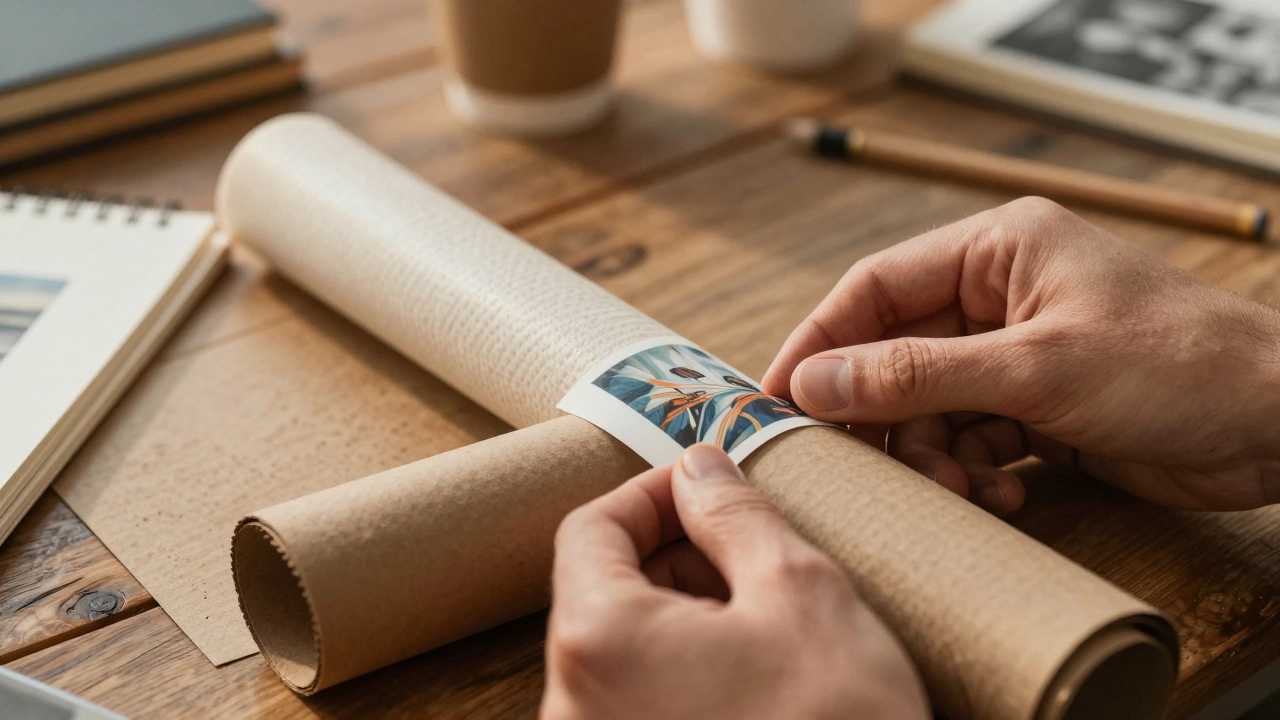
The Role of Social Media in Sales
You cannot talk about online art sales in 2026 without mentioning visual social platforms. Instagram, Pinterest, and TikTok are not just marketing channels; they are storefronts.
Pinterest is particularly powerful for art prints because it functions as a visual search engine. Users pin images to boards labeled "Dream Home" or "Office Inspiration." When they are ready to buy, they return to those pins. If your art is optimized with keywords like "botanical line art" or "abstract watercolor," you capture users at the exact moment they are planning their decor.
TikTok has introduced a new dynamic: behind-the-scenes content. Watching an artist create a piece, pack an order, or discuss their creative process builds parasocial relationships. Viewers feel invested in the artist's success. When that artist drops a new collection, those viewers are primed to buy. This "process porn"-as some call it-is one of the most effective conversion tools available today.
Challenges for Buyers and Sellers
Despite the boom, there are friction points. For buyers, the biggest hurdle is the disconnect between screen and reality. Colors look different on an iPhone versus a calibrated monitor versus a printed page. Smart buyers look for photos of the print in natural light, not just mockups. Sellers who provide real-life photos alongside digital renders see higher conversion rates and fewer returns.
For sellers, the challenge is differentiation. With AI-generated art flooding the market, human-made pieces face stiff competition. However, consumers are increasingly valuing authenticity. Stories about the artist's technique, the inspiration behind the piece, and the limited nature of the edition help combat the feeling of disposability associated with AI content.
Shipping costs also remain a pain point. Heavy frames and international postage can deter buyers. Offering flat-rate shipping or free shipping thresholds (e.g., "Free shipping on orders over $75") can significantly boost average order value.
Is It Worth It for Artists?
If you are an artist considering this path, the answer depends on your goals. If you want passive income with minimal effort, POD platforms are viable but expect low margins. If you want to build a sustainable business, treating your art as a product line with branding, packaging, and customer care is essential.
Diversification is key. Successful artists in 2026 rarely rely on one channel. They might sell prints on Etsy, offer exclusive editions on their website, and license designs to merchandise partners. This multi-pronged approach mitigates risk and maximizes reach.
The Future of Online Art Buying
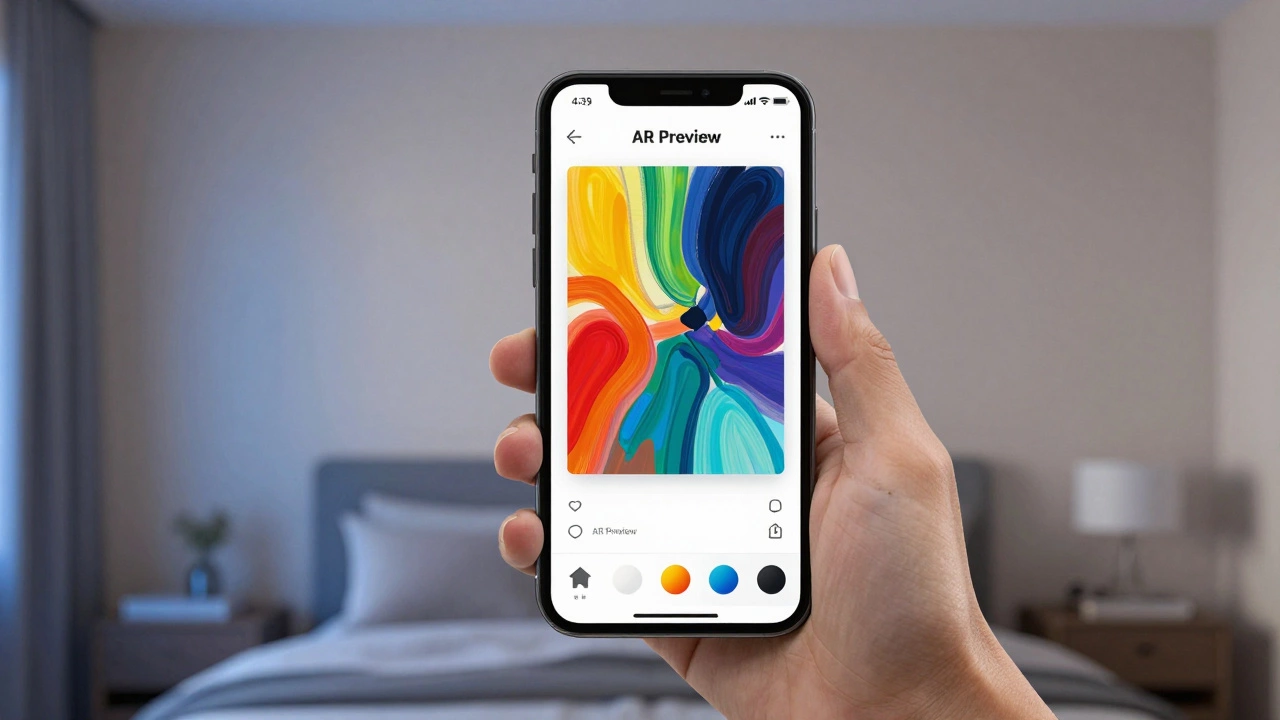
As we move further into the decade, augmented reality (AR) is becoming a standard feature. Imagine pointing your phone at your blank wall and seeing exactly how a print looks in your space before buying. This technology reduces uncertainty and increases confidence in the purchase. Additionally, sustainability is becoming a major factor. Buyers are favoring artists who use eco-friendly papers, soy-based inks, and carbon-neutral shipping. Highlighting these attributes can set you apart in a crowded market.
The trend toward personalization is also growing. Customizable prints, where buyers can choose frame colors or even adjust minor elements of the design, add value and justify higher price points. The future belongs to artists who blend creativity with smart e-commerce strategies.
Do people actually buy art prints on Instagram?
Yes, but indirectly. Instagram drives traffic to external stores like Shopify or Etsy. While Instagram Shop exists, most artists find better conversion rates by linking to their dedicated website in their bio, where they can control the checkout experience and build email lists.
Are online art prints considered valuable?
Generally, no. Open-edition prints do not appreciate in value like original artworks. However, limited-edition prints signed and numbered by well-known artists can hold or increase in value over time. For most buyers, the value is decorative and emotional, not financial.
What is the best platform to sell art prints for beginners?
Etsy is widely considered the best starting point due to its built-in audience and user-friendly interface. Print-on-demand services like Society6 are also excellent for testing ideas without any upfront costs. Once you have a following, moving to an independent site like Shopify allows for higher profits.
How much should I charge for my art prints?
Pricing depends on your costs and brand positioning. A common formula is: (Cost of materials + Labor) x 2 = Wholesale Price. Wholesale Price x 2 = Retail Price. For online prints, research competitors with similar styles. Entry-level prints often range from $20-$40, while premium, large-format, or limited editions can command $100+.
Does AI art affect the sale of human-made prints?
It has increased competition, especially in generic categories like landscapes or abstract patterns. However, it has also heightened the value of authentic, human-created art. Buyers are increasingly seeking stories and connection, which AI cannot provide. Emphasizing your process and personality helps differentiate your work.