Free Music Finder: Which Method is Right for You?
Answer these questions to find the safest and most legal way to get music on your phone for free.
Your Recommended Method:
Quick Guide to Free Music Options
- Ad-supported streaming: Best for discovery and convenience (Spotify, Pandora).
- Free archives: Best for indie tracks and niche genres (Bandcamp, Free Music Archive).
- Public Domain: Best for classical and old-school hits (Musopen).
- Promotional trials: Best for short-term, ad-free experiences (Apple Music, Amazon Music).
Using Ad-Supported Streaming Apps
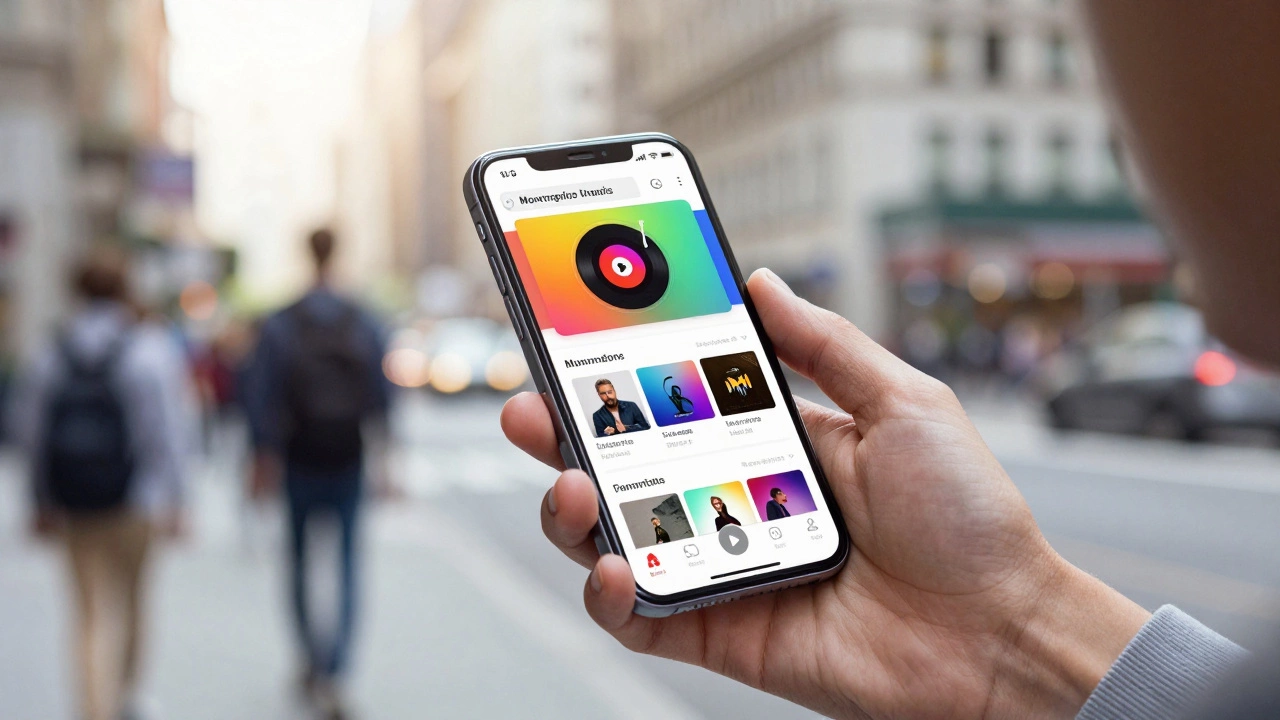
The easiest way to get music today is through an app that gives you access to millions of tracks in exchange for listening to a few commercials. Spotify is a digital music, podcast, and video service that gives you access to millions of songs and other content from creators all over the world. While the premium version is the goal for most, the free tier is still incredibly powerful. You can create playlists and discover new artists, though you'll deal with shuffled playback and ads every few songs.
If you prefer a radio-style experience, Pandora is a great alternative. It uses a unique algorithm to create "stations" based on a single seed artist. It’s less about picking specific songs and more about letting the app curate a vibe for you. The trade-off here is the same: you'll hear ads, and you can't always pick the exact track you want to hear next.
Finding Truly Free and Legal Downloads
Streaming is great, but what happens when you lose signal in a tunnel or go off-grid? That's where downloads come in. You don't need to visit pirate sites that threaten to infect your phone with malware. Instead, look for platforms where artists specifically choose to give their work away for free.
Bandcamp is a goldmine for this. It’s a platform where independent musicians sell their music and merch directly to fans. Many artists set their price to "name your price," meaning you can enter "0" in the box and download the track legally. It's a fantastic way to support indie creators while building a local library on your device.
For those looking for production music or a bit more variety, the Free Music Archive (FMA) is a high-quality library of legal audio. It's curated by independent radio stations and provides music under Creative Commons licenses, which means the music is free to download and often free to use in your own projects, provided you follow the artist's specific rules.
| Method | Access Type | Offline Play? | Best For... |
|---|---|---|---|
| Spotify Free | Streaming | No | Discovery & Playlists |
| Bandcamp | Download | Yes | Indie & New Artists |
| FMA | Download | Yes | Background & Niche Music |
| Musopen | Download | Yes | Classical Music |
Exploring the Public Domain
Have you ever wondered why some old recordings are free while new ones cost money? It comes down to copyright law. When a copyright expires, the work enters the public domain. For classical music lovers, Musopen is the place to be. It's a non-profit organization that provides free sheet music and recordings of classical works. You can download a symphony by Beethoven or a nocturne by Chopin without paying a dime because the compositions themselves are no longer under copyright.
This is a great way to fill your phone with high-quality audio that never expires. Unlike a streaming subscription, once a public domain file is on your phone, it's yours forever. You don't have to worry about a monthly bill or a change in the app's terms of service.
Smartly Using Free Trials
If you need a short burst of ad-free, high-quality music-maybe for a long vacation or a big event-the free music strategy involves "trial hopping." Most major players, including Apple Music and Amazon Music, offer a free trial period ranging from 30 days to 3 months for new users.
The trick here is to set a reminder on your calendar for two days before the trial ends. This allows you to enjoy the full, unrestricted experience without accidentally triggering a yearly subscription. It's a legal way to access the "Premium" side of things for a limited time. Just keep in mind that most of these trials require a credit card up front, even if they don't charge you immediately.
How to Manage Your Free Library
Once you start downloading files from Bandcamp or FMA, you'll realize that your phone's default music app might not be the best for organizing them. If you're on Android, you have a lot of flexibility with third-party players. On iOS, it's a bit more locked down, but you can still use the Files app to keep your downloads organized.
To keep your phone from getting cluttered, try this workflow:
- Download the track to your computer first.
- Use a tool like MusicBrainz or a simple folder system to tag the artist and album name.
- Transfer the files to your phone via USB or a cloud service like Google Drive.
- Import them into your preferred player so you don't have to hunt through folders every time you want a song.
Avoiding the Security Traps
It's tempting to search for "free MP3 download" on Google and click the first result that promises the latest hit song. Don't do it. These sites are often fronts for adware or phishing scams. If a site asks you to "Allow Notifications" or download a specific "installer" to get your music, close the tab immediately.
Stick to the platforms mentioned above. They are legitimate businesses or non-profits. If you're looking for a specific song that isn't on a free platform, consider using YouTube. While you can't officially download videos for free without a premium account, you can listen to almost any song in the world for free with ads. It's a safer bet than risking your phone's security for a 3-minute audio file.
Is it legal to download free music from these sites?
Yes, as long as you use sites like Bandcamp (where artists set the price to zero), Free Music Archive, or Musopen. These platforms provide music that is either in the public domain or released under Creative Commons licenses, meaning the creators have given permission for the music to be shared for free.
Can I listen to Spotify for free offline?
Generally, no. The ability to download songs for offline playback is a Premium feature. If you want music for offline use without paying, your best bet is to download individual files from sites like Bandcamp or FMA and play them through a local media player app.
What is the difference between a free trial and a free tier?
A free tier (like Spotify Free) is a permanent version of the service that includes ads and limitations. A free trial is a temporary window (usually 30-90 days) where you get the full Premium experience for free before you are asked to pay for a subscription.
Do I need a credit card for free music apps?
For ad-supported tiers (Spotify, Pandora), you usually only need an email address to create an account. However, for free trials (Apple Music, Amazon Music), you almost always need to provide a payment method to verify your identity and ensure a smooth transition to a paid plan if you don't cancel.
How can I tell if a music download site is safe?
Safe sites won't ask you to download a "manager" or "downloader" software to get a song. They also won't ask for your phone number or password to "unlock" a download. If the site is covered in flashing banners and pop-ups, it's a red flag. Stick to known entities like Bandcamp or government-backed archives.
Next Steps for Your Music Library
If you've just filled your phone with free tracks, the next logical step is to refine your listening experience. If you're using Android, try out an app like VLC Media Player or Poweramp to get better control over your EQ and playback. For iPhone users, getting comfortable with the Files app is key to managing your downloads.
Once you've exhausted the free options, you might find that the convenience of a paid subscription is worth the cost. But until then, exploring indie artists on Bandcamp and classical masterpieces on Musopen is a great way to discover music you would have never found on a top-40 chart.