Art Exhibition Guest List Builder
Step 1: Define Your Event Capacity
How many people can your venue comfortably hold?
Action Plan Checklist
Enter your venue capacity to generate a strategic guest list distribution.
You have spent months preparing your art exhibition, a curated display of your creative work designed to engage viewers and showcase artistic talent. The walls are hung, the lighting is perfect, and the wine is chilled. But there is one blank space that keeps you up at night: the guest list. You know that an empty room kills momentum, but inviting the wrong people can feel like shouting into a void. Who actually matters? Is it the critic who writes for the local paper? The wealthy collector who buys abstracts? Or just your friends who will clap politely?
The truth is, your guest list is not just a roll call; it is your marketing engine. Every person you invite represents a potential sale, a press mention, or a future connection. Getting this right means understanding the ecosystem of the art world and targeting specific roles with precision. Let’s break down exactly who needs an invitation and why.
The Core Circle: Friends, Family, and Early Supporters
Start with the people who have been in the studio with you when the paint was still wet. This group includes family members, close friends, and fellow artists who understand your journey. They are your safety net. When you walk into the room, these are the faces that smile back first. Their presence creates immediate energy and makes the space feel alive, which signals to other guests that something important is happening.
Do not underestimate their power as amplifiers. A friend might not buy a piece, but they might tag your gallery on social media, bringing in hundreds of views from their network. Ask them specifically to share photos during the event. However, be clear about expectations. If you need them to help with logistics, like greeting guests or managing the bar, assign those roles early so they do not feel like they are just there to fill seats.
The Buyers: Collectors and Interior Designers
This is the group that turns passion into payroll. Art collectors are individuals who purchase artworks regularly, often seeking specific styles, emerging talents, or investment-grade pieces. Identifying them requires research. Look at who bought from previous shows in your venue. Check the signature books from past openings if you have access to them. Reach out to local interior designers and architects; they frequently seek unique pieces for clients’ homes and offices. An invitation to a designer is not just a courtesy; it is a business development tool.
When inviting collectors, personalize the message. Mention a specific piece of theirs you admire or a recent acquisition they made. Show that you see them as a connoisseur, not just a wallet. For interior designers, highlight how your work fits into modern living spaces. Bring high-resolution images of your art in situ (mockups showing the art in a room) to send along with the digital invite. This helps them visualize the piece in their client’s home before they even step foot in your gallery.
| Guest Type | Primary Value | Invitation Strategy |
|---|---|---|
| Collectors | Sales & Investment | Personalized email highlighting new works |
| Press/Media | Exposure & Credibility | Press kit + exclusive preview access |
| Interior Designers | B2B Sales & Placement | In-situ mockups + professional networking tone |
| Fellow Artists | Community Support & Networking | Warm, inclusive language emphasizing community |
The Amplifiers: Press, Bloggers, and Influencers
If you want your show to last beyond the opening weekend, you need coverage. Art critics are journalists or writers who evaluate and interpret artworks, providing public commentary that influences perception and sales. Identify local arts editors, culture bloggers, and Instagram influencers who focus on your city’s creative scene. Do not blast a generic email to every journalist you find. Instead, target those who have covered similar genres. If you paint landscapes, find the writer who reviewed the botanical garden exhibit last month.
Send them a press kit that includes high-res images, a bio, and a statement about the theme of your exhibition. Offer them an exclusive preview hour before the doors open to the public. This gives them quiet time to take photos and interview you without the noise of a crowd. Remember, influencers care about aesthetics. Ensure your gallery looks photogenic. Good lighting and clean lines make their job easier, and they are more likely to post if the content is ready-made for their feed.
The Gatekeepers: Curators and Gallery Owners
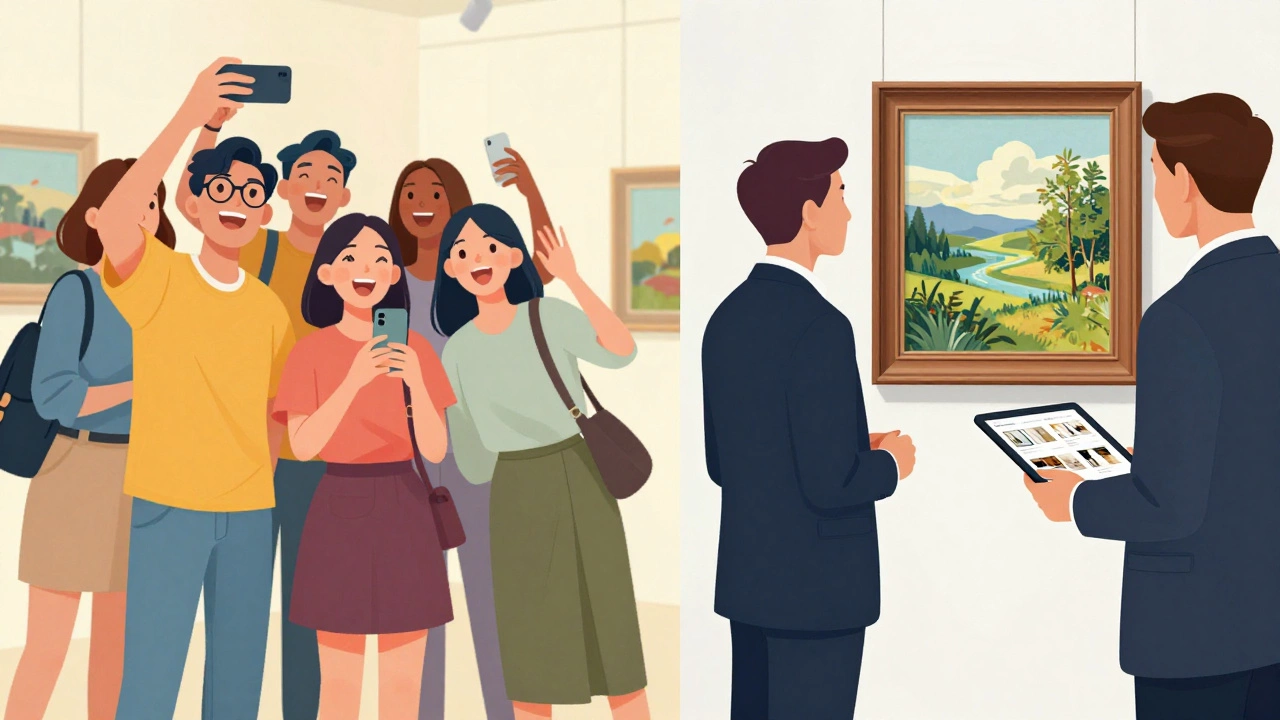
Your current show is a stepping stone. You want curators and owners of other galleries to see your work because they decide where you hang next. Curators are professionals who select, organize, and present artworks in museums or galleries, shaping the narrative of exhibitions. Invite them personally. A handwritten note or a direct phone call carries more weight than a digital invite. Explain why your work resonates now. What conversation is it starting? How does it fit into the current cultural moment?
These individuals are busy. They attend dozens of openings. Make yours memorable by having a clear artist statement and well-documented portfolio available. Do not try to sell to them directly; instead, invite them into your process. Share the story behind the series. If they connect with the narrative, they may remember you when they are planning a show six months from now.
The Community: Local Businesses and Cultural Partners
Think broader than just "art people." Invite owners of nearby cafes, bookstores, and boutique shops. These businesses share your customer base. A coffee shop owner might display a flyer for your show, or you might collaborate on a future pop-up. This cross-pollination builds a supportive local ecosystem. It also drives foot traffic from people who might not normally visit a gallery but enjoy supporting local businesses.
Also, consider non-profit organizations or educational institutions related to your theme. If your work focuses on environmental issues, invite leaders from local conservation groups. They bring a passionate audience that aligns with your message. This adds depth to your event and positions you as an engaged citizen, not just a creator.
How to Send Invitations That Get Opened
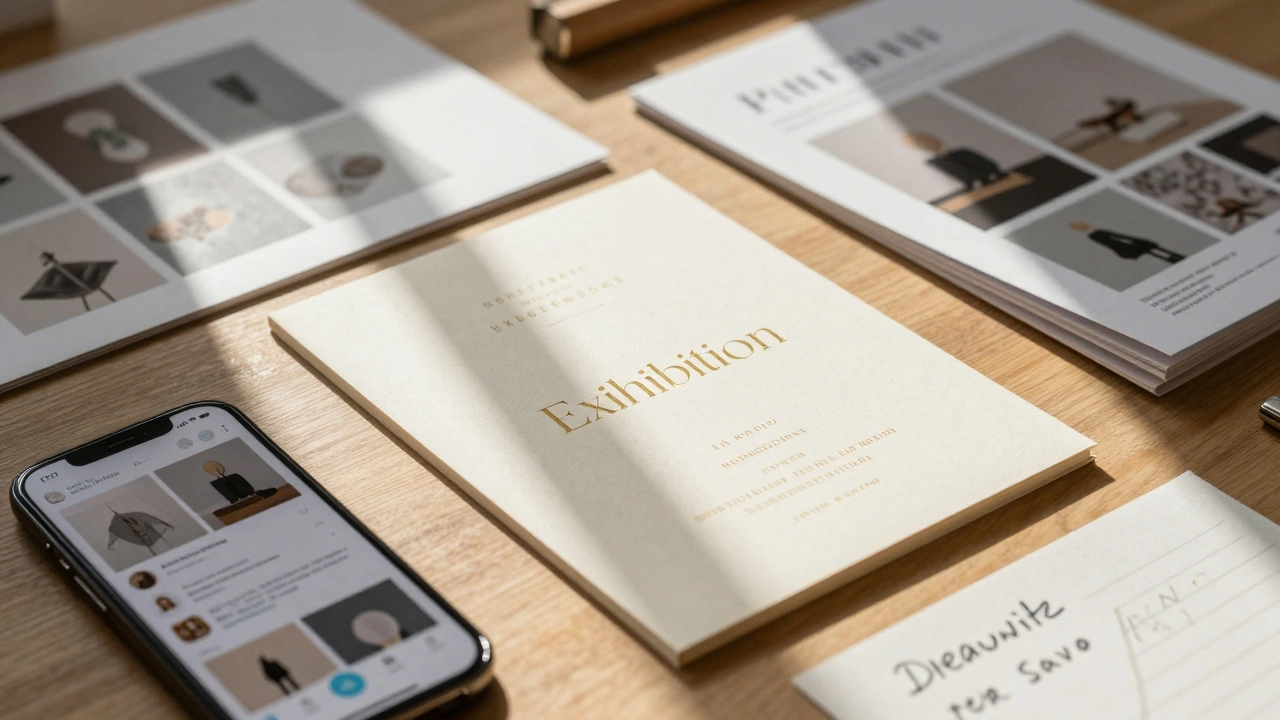
The medium matters. For VIPs like collectors and curators, use physical mail. A heavy cardstock invite feels valuable. For the general list and press, use email or event platforms like Evite or Facebook Events, but keep the design clean and professional. Include all essential details: date, time, address, parking instructions, and whether the event is ticketed or free.
Follow up. Send a reminder two days before the event. For key buyers, a personal text or call can confirm attendance. On the day of the show, have a sign-in sheet. Capture emails and phone numbers. This list is gold for your next exhibition. Never let a guest leave without connecting digitally.
Common Mistakes to Avoid
- Overshooting: Inviting too many people can dilute the experience. If your gallery holds 50 people comfortably, do not invite 100. Crowded spaces make it hard to talk to buyers.
- Ignoring Follow-Up: Sending an invite is only half the battle. Tracking RSVPs and following up with no-shows ensures you maximize turnout.
- Generic Messaging: Copy-pasting the same email to everyone feels lazy. Segment your list and tailor the message to each group’s interests.
- Forgetting Accessibility: Ensure your venue is accessible. Provide clear directions and information about wheelchair access. Inclusive invitations reflect well on your professionalism.
Next Steps for Your Launch
Start building your list today. Create three columns: Must-Invite (collectors, press), Should-Invite (designers, curators), and Nice-to-Have (friends, community). Fill them out. Then, craft your messages. Remember, the goal is not just to fill chairs, but to build relationships that sustain your career long after the paint dries.
How far in advance should I send art exhibition invitations?
Send formal invitations 4-6 weeks before the event. This gives guests enough time to plan and allows you to follow up. For VIPs like collectors or press, send a save-the-date 8 weeks out, followed by the formal invite. Send a reminder email 3-5 days before the opening to boost attendance.
Should I charge admission for my art exhibition opening?
Generally, no. Opening receptions are usually free to encourage maximum attendance and networking. Charging a fee can deter casual visitors and press. Instead, generate revenue through art sales, donations, or sponsorships from local businesses. Keep the barrier to entry low to build your audience.
What should I include in a press kit for art critics?
A press kit should include high-resolution images of your top 5-10 works, a concise artist biography, a statement explaining the theme of the exhibition, and contact information. Also, provide technical details like dimensions and mediums for each piece. Make it easy for journalists to write about you by giving them all the facts they need in one place.
How do I find local art collectors to invite?
Research past exhibitions at your gallery or similar venues. Check signature books if available. Network with gallery owners who can introduce you. Attend local art fairs and observe who is buying. Social media can also help; look for accounts that frequently post about art acquisitions in your area. Personal introductions from trusted peers are the most effective method.
Is it okay to invite fellow artists to my solo show?
Absolutely. Inviting fellow artists fosters community and mutual support. They can offer constructive feedback, share your event with their networks, and potentially become collaborators in the future. Just ensure you balance their presence with buyers and press to maintain a productive atmosphere for sales and exposure.