When you think of a portrait, you might picture a face staring back at you - calm, serious, maybe a little proud. But portraits aren’t just one thing. They come in different shapes, sizes, and purposes. Over centuries, artists have refined how they capture people, and three main types emerged as the most common and meaningful: bust, head and shoulders, and full-length portraits. Each tells a different story about the person being painted, and each serves a unique role in art and history.
Bust Portraits: The Power of the Upper Body
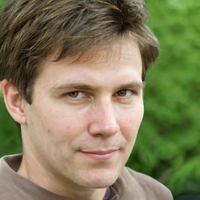
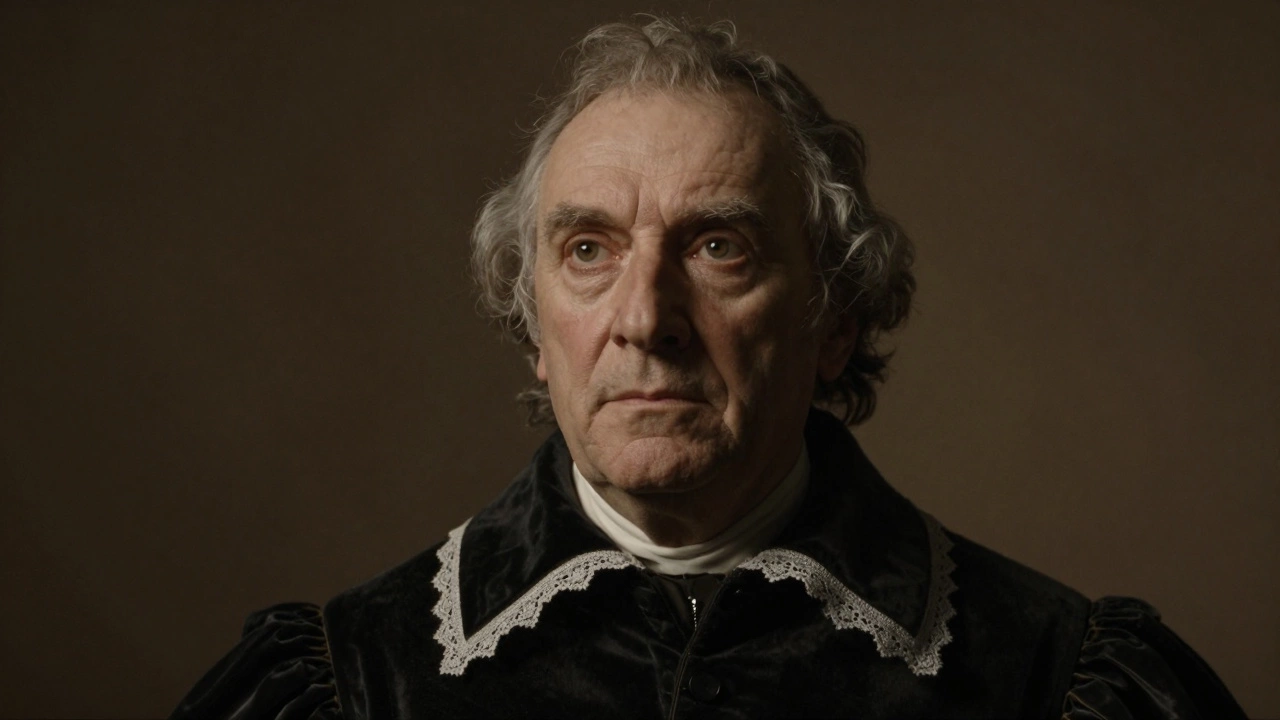
A bust portrait focuses on the head, neck, and shoulders, cutting off just below the chest. It’s the most traditional form of portrait painting, especially in Western art. Think of Roman statues or Renaissance paintings of kings and scholars. The bust format lets the artist concentrate on facial expression, posture, and clothing details like collars or jewelry. It’s intimate but not overly personal - the subject feels present, but not exposed.
Why does this work so well? Because it removes distractions. No hands fidgeting, no legs crossed, no background clutter. The viewer’s eye goes straight to the eyes, the mouth, the way light hits the cheekbone. Artists like Rembrandt used bust portraits to show inner emotion. His 1658 self-portrait isn’t just a face - it’s a lifetime of experience etched in oil.
In modern times, bust portraits still dominate. Most professional headshots you see online - for LinkedIn, theater roles, or academic websites - follow this format. It’s practical, professional, and timeless.
Head and Shoulders Portraits: The Modern Standard
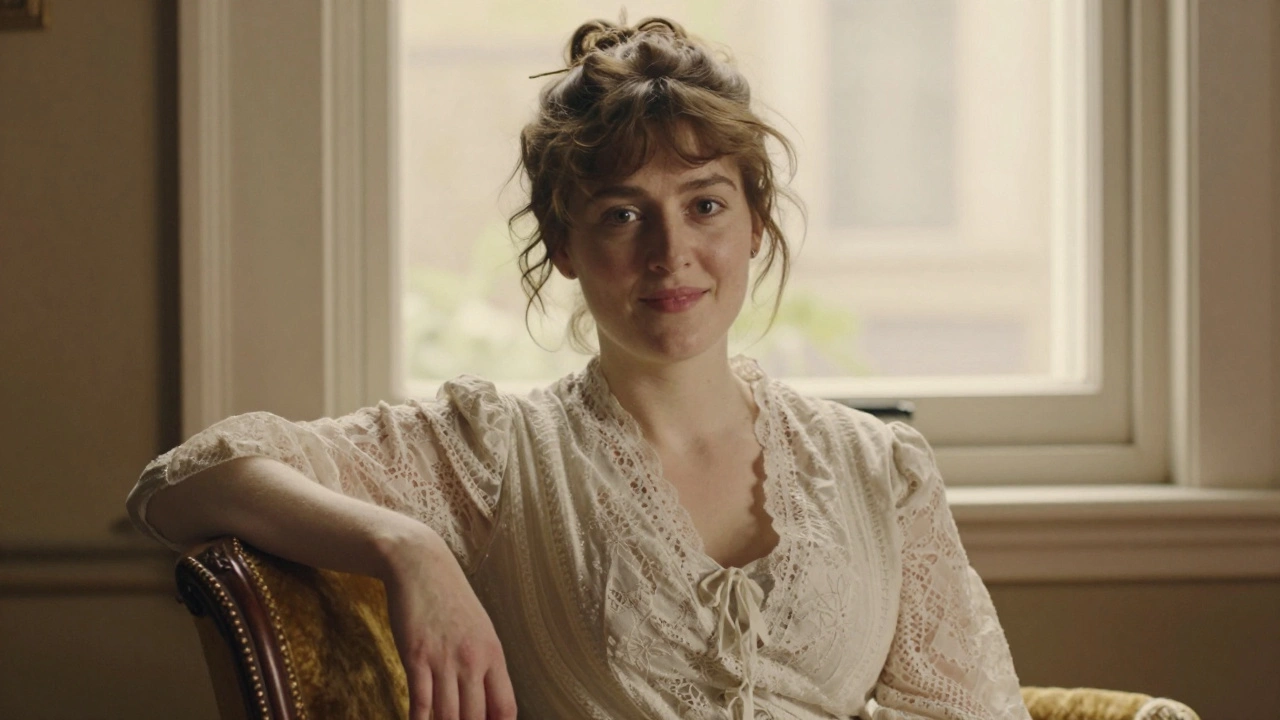
This one is easy to confuse with the bust, but there’s a subtle difference. A head and shoulders portrait includes a bit more of the torso - usually up to the waist - and often shows more of the background. It’s looser, more relaxed. You might see the subject leaning slightly, one hand resting on a chair, or a hint of fabric from a jacket.
This style became popular in the 19th century as photography took off. Early cameras couldn’t capture full bodies easily, so photographers stuck to upper-body shots. Artists followed suit. Today, it’s the go-to format for family photos, school yearbooks, and even political campaign posters. It strikes a balance between formality and approachability.
Take a portrait by John Singer Sargent. His 1897 painting of Mrs. Theodore Roosevelt shows her seated, arms relaxed, with a glimpse of a velvet chair and a window behind her. It’s not stiff. You can almost hear her laugh. That’s the power of the head and shoulders portrait: it gives space for personality without losing focus.
Full-Length Portraits: Presence in Space
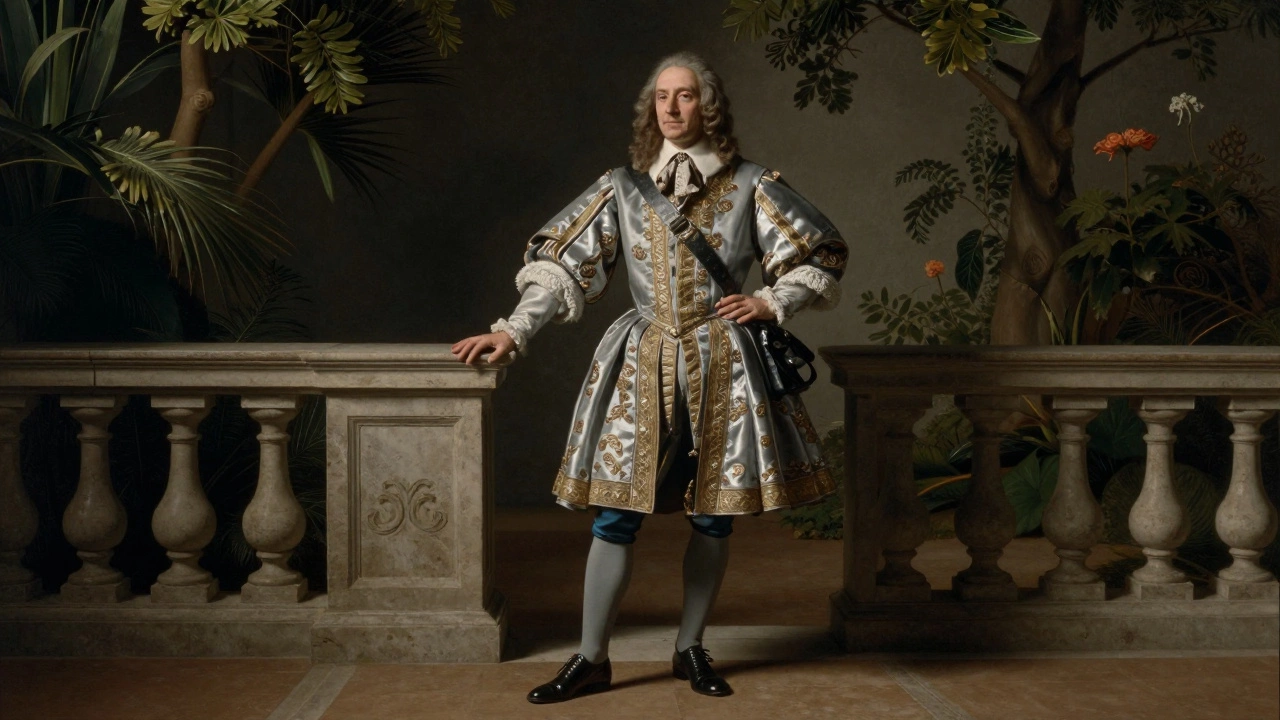
Full-length portraits show the entire body - from head to toe. These are the grandest, most dramatic portraits. They were once reserved for royalty, wealthy merchants, or military leaders who wanted to show off their status, wealth, and power. Think of Velázquez’s Las Meninas or Gainsborough’s elegant aristocrats standing in gardens with flowing dresses and polished boots.
Painting a full-length portrait is harder. You’re not just capturing a face - you’re capturing posture, movement, clothing, environment, and even mood. The subject’s stance, the angle of their feet, the way their dress drapes - all of it matters. A slight tilt of the hip can suggest confidence. A hand on a sword says authority. A foot slightly forward implies readiness.
Modern full-length portraits are rarer, but they still appear in high-end fashion photography, museum exhibitions, and commissioned works. Artists like Kehinde Wiley use this format to reclaim power - painting Black men and women in the same grand poses once reserved for European nobility. His 2018 portrait of President Obama, while not full-length, drew on this tradition to show presence, dignity, and cultural weight.
Why These Three? The Logic Behind the Forms
These three types aren’t arbitrary. They evolved based on practical needs and cultural values.
- Bust = Focus on identity and character. Ideal for memorializing, documenting, or honoring.
- Head and shoulders = Balance between personality and context. Best for everyday recognition and modern use.
- Full-length = Statement of status, movement, and space. Used for power, legacy, and spectacle.
There are other variations - three-quarter length, equestrian, group portraits - but these three form the backbone. They’re the foundation every portrait artist learns, whether they’re working with oils, charcoal, or digital brushes.
Choosing the Right Type for Your Needs
If you’re commissioning a portrait, which type should you pick?
- Want something timeless and classic? Go with a bust.
- Looking for warmth and approachability? Choose head and shoulders.
- Need to make a bold statement - maybe for a public space or legacy project? A full-length portrait will do it.
There’s no right answer - only the right fit. The best portrait doesn’t just look like someone. It feels like them. And that starts with choosing the right frame.
How Artists Decide What to Show
It’s not just about the subject - it’s about the story. A military officer might want a bust to show discipline. A dancer might choose full-length to capture motion. A parent commissioning a portrait of their child might pick head and shoulders because it feels personal, not imposing.
Even today, in the age of selfies, these three types still matter. Instagram filters can’t replace the intention behind a painted bust. A smartphone camera can’t replicate the careful lighting of a full-length portrait in natural daylight. Art doesn’t just record - it interprets. And the type of portrait you choose shapes how you’re remembered.