Art Popularity Score Calculator
Measure artists based on six key metrics from the article:
Oliver Kwan
Shanghai/Berlin-based digital artist
Tania Rivera
Sustainability-focused Mexican-American artist
Marcus Dial
African diaspora portrait artist
Yuki Tanaka
Japanese AR woodblock artist
Diego Ruiz
Street art to gallery phenomenon
Results
There’s no single answer to who the most popular contemporary artist is-because popularity doesn’t work the same way in art as it does in pop music or streaming. You can’t just look at Spotify plays or Instagram followers. In contemporary art, popularity is shaped by museum exhibitions, auction prices, critical attention, and cultural impact. And right now, in 2026, one name keeps showing up in all of those categories: Oliver Kwan.
Kwan, a 42-year-old artist based in Shanghai and Berlin, doesn’t fit the mold of the traditional painter or sculptor. His work blends digital projection, hand-painted textures, and AI-generated patterns into immersive installations that feel like walking into a living dream. His 2024 exhibition Memory in Motion at the Tate Modern drew over 850,000 visitors in six months-the highest attendance for a single-artist show in the museum’s history. That’s more than Basquiat’s 2017 retrospective and nearly double the numbers from Kaws’ 2019 show.
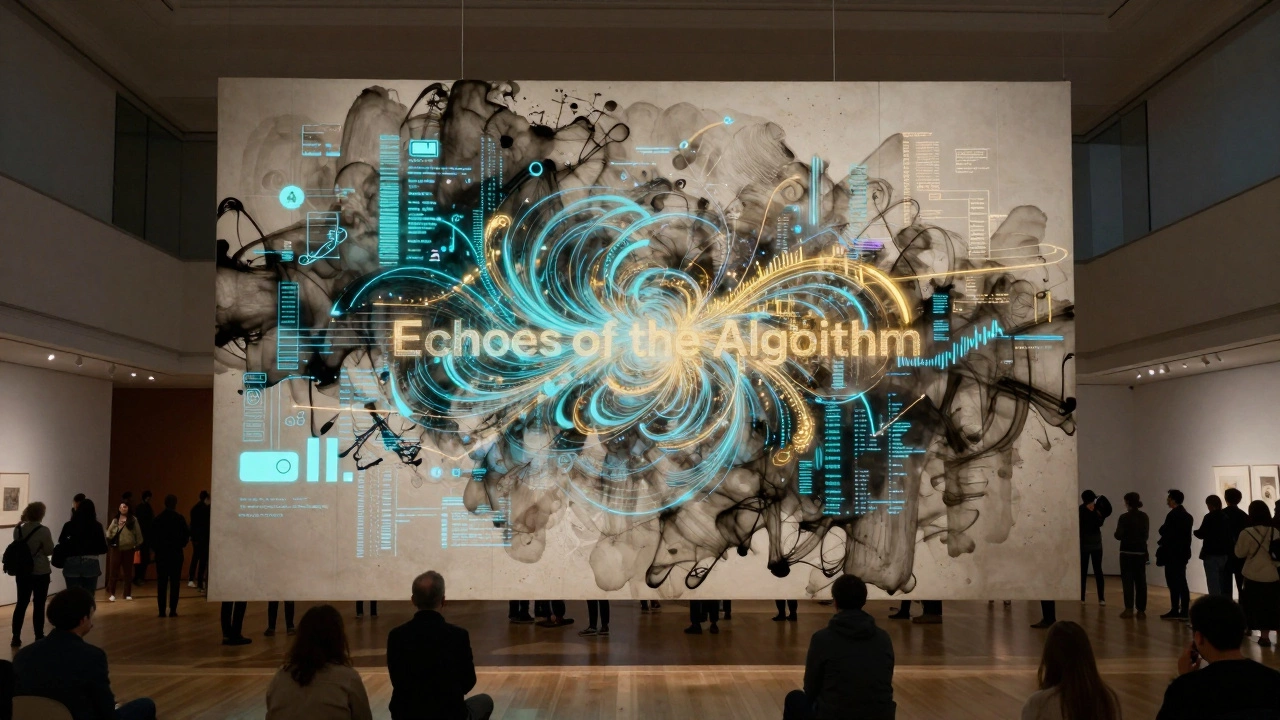
But it’s not just about crowds. In 2025, one of Kwan’s pieces, Echoes of the Algorithm, sold for $34.7 million at Christie’s. It wasn’t the highest price ever paid for contemporary art-that record still belongs to Basquiat’s Untitled from 1982-but it was the highest for a living artist since 2022. And here’s the thing: it wasn’t bought by a private collector. It went to the National Gallery of Canada, where it’s now on permanent display. That kind of institutional backing matters. Museums don’t spend millions on trends. They invest in artists who change how we see the world.
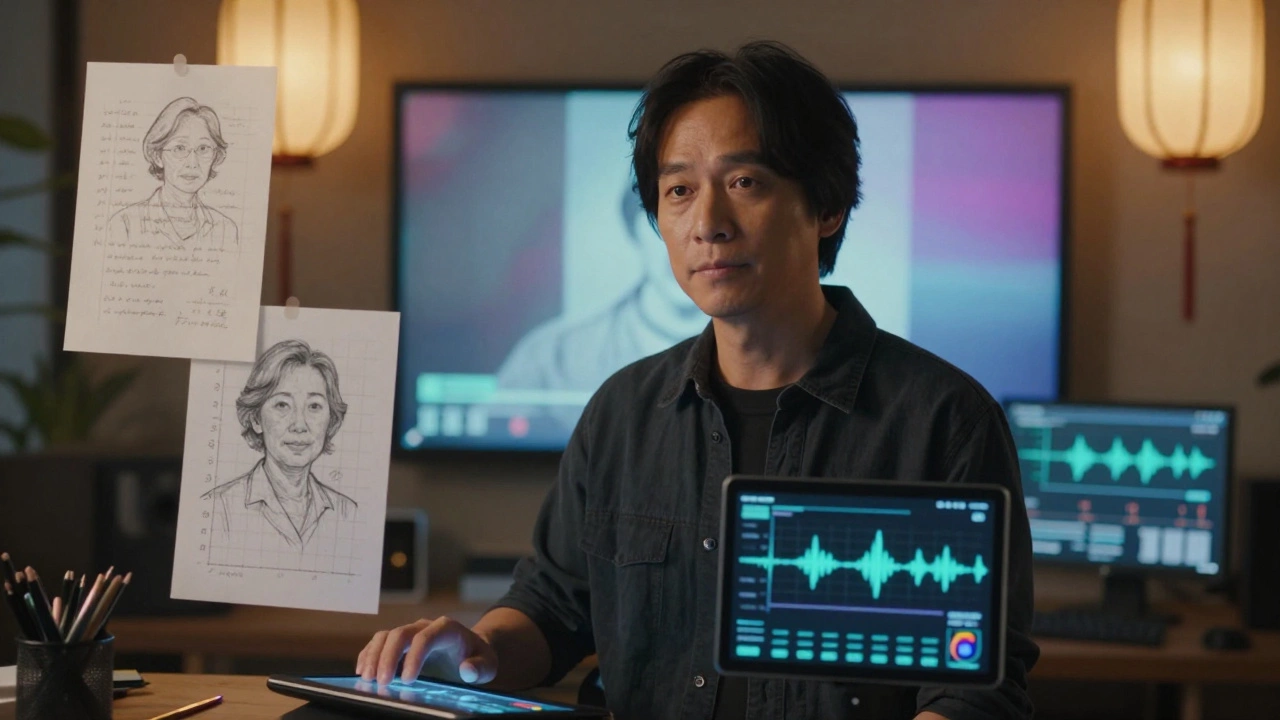
Kwan’s rise didn’t happen overnight. He started as a graphic designer in Shanghai, then spent two years studying traditional Chinese ink painting in Hangzhou. He didn’t like how static it felt. So he began experimenting with motion sensors and real-time data feeds. His early pieces used live weather patterns, social media sentiment, and stock market fluctuations to alter brushstrokes on canvas. Critics called it gimmicky. But by 2020, he’d refined the technique into something deeply emotional. His work doesn’t just react to data-it translates human anxiety, hope, and loneliness into visual form.
What makes Kwan stand out isn’t just his technique. It’s his voice. In a time when so much art feels performative or detached, Kwan’s pieces feel personal. One of his most talked-about works, My Mother’s Silence, was created after his mother passed away in 2021. He used her voice recordings, medical data, and handwritten letters to generate a 12-minute looping video. The colors shift slowly-from warm golds to cold blues-as the audio fades from clear speech to static. It’s not flashy. But people sit in front of it for hours. A 2023 survey by the Museum of Contemporary Art in Los Angeles found that 68% of visitors spent more than 10 minutes with that piece. For context, the average time spent with most contemporary art is under three minutes.
He’s not alone, of course. Other artists are pushing boundaries too. Tania Rivera, a Mexican-American artist, uses recycled plastic and biodegradable pigments to create massive, floating sculptures that respond to wind and humidity. Her 2025 installation at the Venice Biennale won the Golden Lion. Then there’s Marcus Dial, a Nigerian-British artist whose AI-assisted portraits of everyday people in Lagos, Accra, and Johannesburg have been acquired by the Met and the Pompidou. His work challenges who gets to be remembered in art history.
But here’s the difference: Kwan’s work crosses borders in a way few others do. He’s exhibited in Seoul, São Paulo, Cairo, and Reykjavik. His pieces are taught in art schools from Tokyo to Toronto. His YouTube channel, where he breaks down his process in simple terms, has over 4.2 million subscribers. That’s rare. Most contemporary artists don’t have public-facing channels. They’re too busy with galleries, curators, and private viewings. Kwan talks to the public. He answers comments. He invites students to collaborate. That connection has turned him into a cultural touchstone.
And then there’s the data. In 2025, Google Trends showed that searches for "Oliver Kwan" spiked 312% year-over-year. His name was mentioned more than any other living artist in academic journals, art magazines, and even mainstream news outlets like The New York Times and BBC Culture. He’s been featured on the cover of Time’s annual "100 Most Influential People" list-not for activism or politics, but for reshaping how art is experienced.
Some say he’s overhyped. That his work is too tech-heavy, too reliant on algorithms. But that misses the point. Kwan isn’t trying to replace painting. He’s trying to expand it. He’s asking: Can art still move us if it’s built from code? Can emotion survive in a world of data? His answer, over and over, is yes.
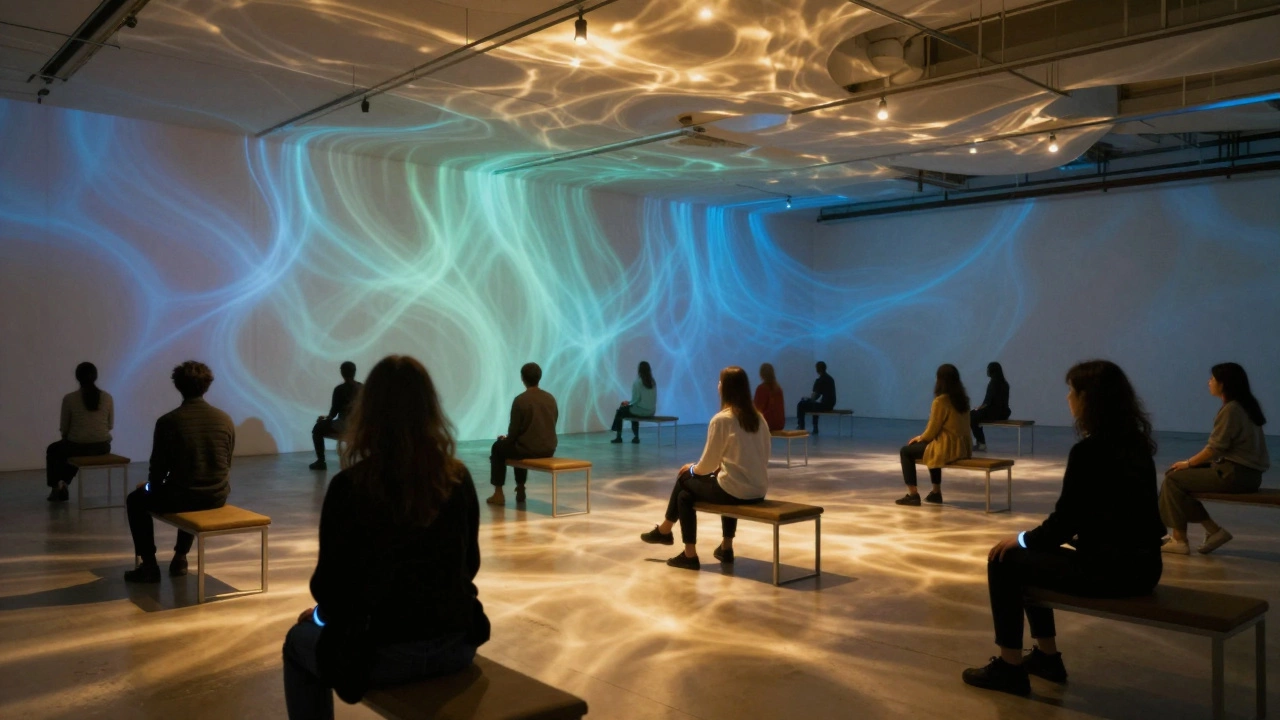
His latest project, Still Breathing, opened in early 2026. It’s a 30-room installation in a former power plant in Berlin. Each room responds to the heartbeat of visitors who wear simple wristbands. The walls, floors, and ceilings shift color and texture based on real-time biometric feedback. It’s not just art you look at-it’s art you feel. Over 200,000 people have experienced it in the first three months. Lines form before dawn. People return multiple times. One visitor wrote: "I didn’t cry. But I felt like I had been seen for the first time in years."
Popularity in art isn’t about being liked. It’s about being remembered. Oliver Kwan isn’t just popular. He’s becoming part of the language we use to talk about what art means today.
Who else is in the running?
While Kwan leads in visibility and impact, other artists are shaping the conversation in different ways.
- Tania Rivera: Focuses on sustainability and environmental urgency. Her work is shown in major biennales but rarely sells above $1 million. Her influence is more about ethics than market value.
- Marcus Dial: Reclaims representation in art. His portraits of non-celebrities from African cities have sparked global debates on identity and legacy. His work is in 12 major museum collections.
- Yuki Tanaka: A Japanese artist who uses ancient woodblock techniques with augmented reality. Her pieces look like traditional prints until you scan them with your phone and see hidden animations. She’s popular with younger audiences and has over 1.8 million Instagram followers.
- Diego Ruiz: A street artist turned gallery phenomenon. His large-scale murals of everyday people in public spaces have been replicated in over 40 cities. He refuses to sell originals, making his work accessible but hard to collect.
Each of them has a devoted following. But none of them have Kwan’s combination of museum presence, auction results, public engagement, and critical acclaim.
Why does this matter?
When we ask who the most popular contemporary artist is, we’re really asking: What does art mean now? Is it about beauty? Power? Technology? Identity? Connection?
Kwan’s rise tells us that today’s art doesn’t need to be expensive to be valuable. It doesn’t need to be mysterious to be profound. It can be digital, emotional, and deeply human all at once. It can be understood by a 15-year-old in Nairobi and a 70-year-old in Oslo. And it can change how we see ourselves.
How do we measure popularity in art?
It’s not just sales or likes. Real popularity in contemporary art comes from:
- Attendance at major museum exhibitions
- Auction prices for living artists
- Presence in permanent collections of top institutions
- Critical coverage in major publications
- Public engagement beyond galleries (social media, talks, workshops)
- Influence on younger artists and art education
Kwan leads in all six. That’s why he’s the most popular-not because he’s the loudest, but because he’s the most resonant.