Abstract Art Style Finder
Walk through a mental gallery. Select the visual elements or emotions you observe in a piece of art to find out which iconic abstract style it aligns with.
1. What do you see?
2. What do you feel?
Your Match:
Select options on the left to identify the artist style...
The Pioneers of Pure Form
While Kandinsky was exploring the emotional side, others were looking for a universal language. Think of Piet Mondrian. He didn't care about spiritual trumpet blasts; he wanted order. He started by painting trees, but he kept simplifying them until they were just vertical and horizontal black lines. Eventually, he stripped everything down to primary colors-red, blue, and yellow-and a white background. His work is the reason why modern architecture and graphic design look the way they do today. He wasn't painting a "picture"; he was painting the basic structure of the universe.| Artist | Primary Focus | Key Visual Elements | Emotional Goal |
|---|---|---|---|
| Wassily Kandinsky | Spiritualism & Music | Fluid shapes, vivid colors | Inner resonance |
| Piet Mondrian | Universal Order | Grids, primary colors | Balance and clarity |
| Kazimir Malevich | Pure Feeling | Geometric solids (squares) | Total liberation from objects |
The Chaos of Abstract Expressionism
Fast forward a few decades, and the center of the art world shifted from Paris to New York. This is where Jackson Pollock enters the frame. If Kandinsky was a composer, Pollock was a jazz improviser. He didn't use an easel; he laid his canvas on the floor and dripped house paint onto it using sticks and hardened brushes. This technique, known as "action painting," changed the definition of art. It wasn't about the final image as much as it was about the physical act of painting. When you look at a Pollock, you're seeing a map of his movements in a room. But Pollock wasn't the only one pushing boundaries. Mark Rothko took the opposite approach. Instead of chaotic splatters, he created massive "Color Field" paintings. These are basically large rectangles of shimmering color that seem to float on the canvas. If you stand close to a Rothko in a quiet gallery, the colors can feel overwhelming, almost like they're swallowing you whole. He wanted people to have a religious experience, feeling raw emotions like grief, ecstasy, or doom without needing a story to explain it.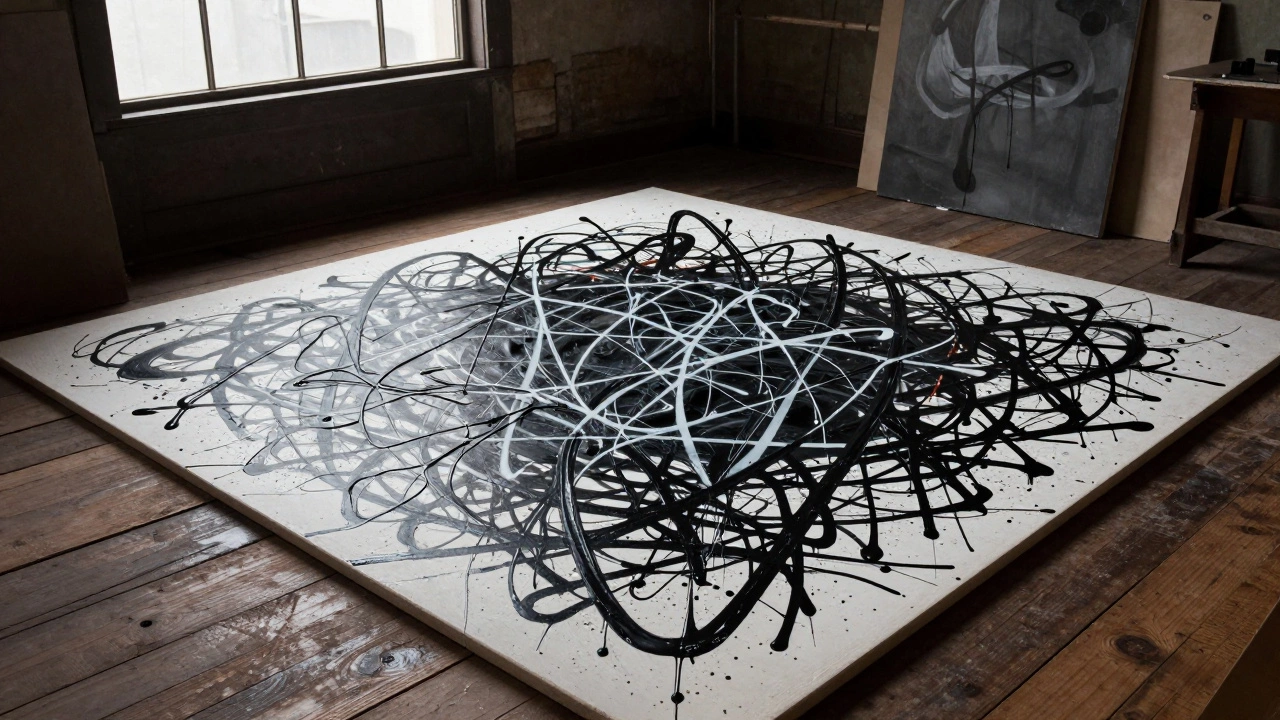
The Shift Toward Geometry and Minimalism
As the 20th century rolled on, artists began to move away from the "emotional outburst" of the New York school. They started looking at art as a physical object rather than a window into the soul. This led to the rise of Minimalism. Artists began creating work that was so stripped down it almost felt industrial. They used materials like steel, neon, and concrete to remove the "hand of the artist" entirely. The goal was to make the viewer aware of the space they were standing in, rather than focusing on the artist's biography.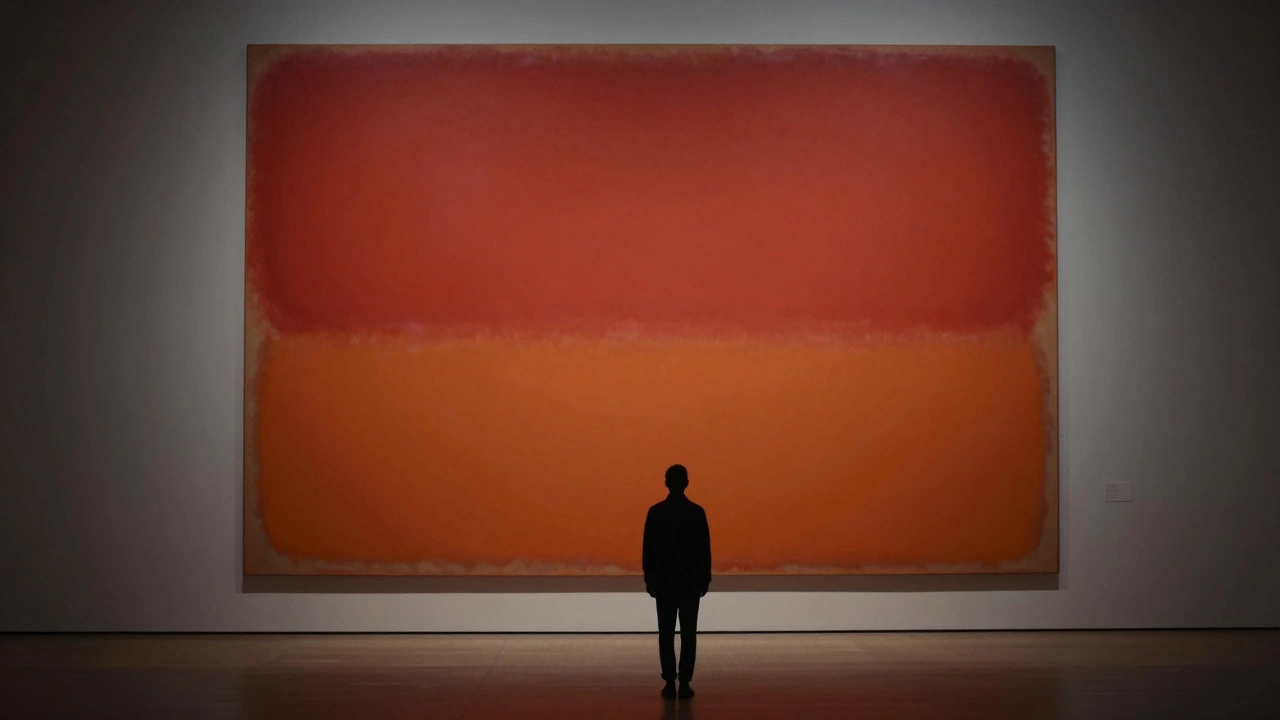
How to Identify These Styles in the Wild
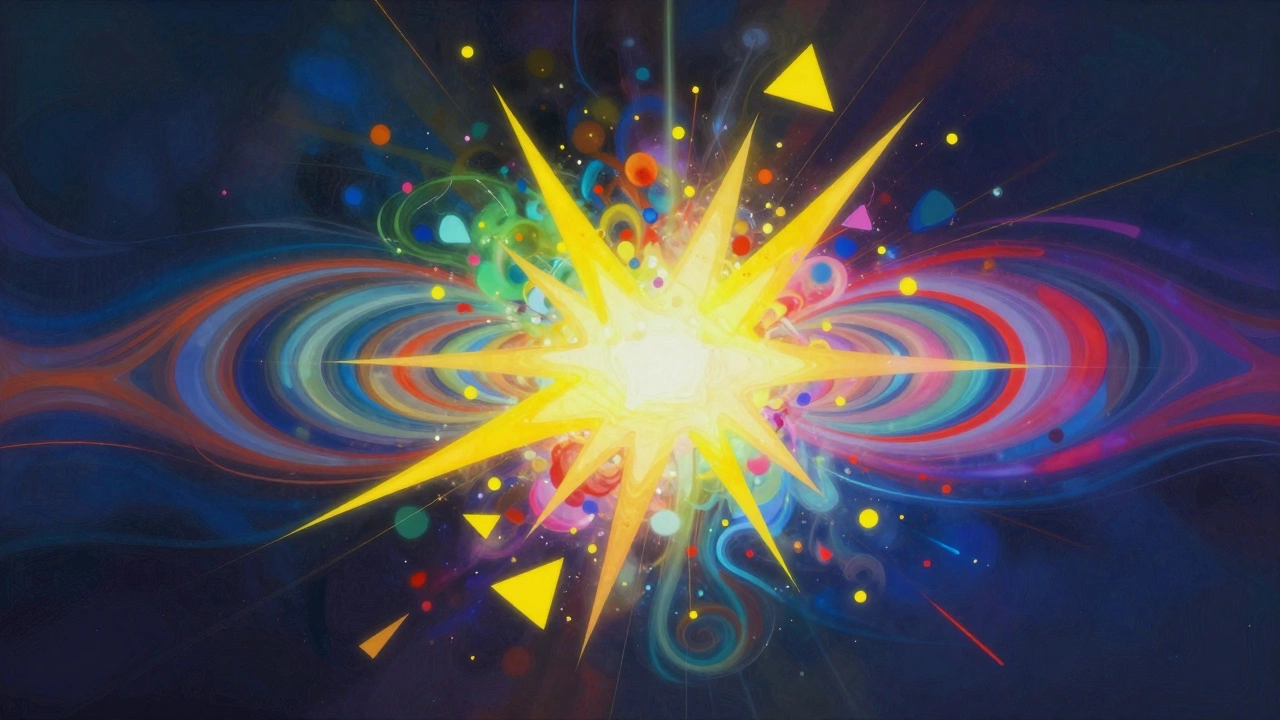
If you're walking through a museum and can't tell who's who, look for these markers. If it looks like a colorful, chaotic explosion of circles and lines that feels like a symphony, you're likely looking at something influenced by Kandinsky. If it's a rigid grid of red, blue, and yellow, that's the Mondrian legacy. If it looks like a giant splatter of paint that your kid could actually do (but with a level of intentional scale and rhythm), you've found a Pollock-style piece. And if it's just two huge blocks of color that make you feel strangely sad or peaceful, think Rothko.Why It Matters Today
Why do we still talk about these people? Because they broke the rule that art has to "look like something." Before these artists, a painting was a mirror of reality. After them, a painting became a thing in itself. Every time you see a modern logo, a sleek piece of furniture, or a weirdly colored wall in a corporate office, you're seeing the DNA of these abstract pioneers. They taught us that a line is just a line, and a color is just a color, and that's often enough to tell a story.Is abstract art actually "hard" to paint?
While it might look like anyone can throw paint on a canvas, the masters of abstract art spent years mastering traditional realism first. Kandinsky and Mondrian both knew how to paint traditionally; they chose to move away from it to explore how composition, balance, and color theory work independently of a subject. The "difficulty" lies in creating a piece that feels balanced and evokes a specific emotion without using a recognizable image to lean on.
Who is the most famous abstract artist overall?
It depends on the era. For the birth of the movement, Wassily Kandinsky is the most cited. For the mid-century American boom, Jackson Pollock is the household name. In terms of influence on modern design and architecture, Piet Mondrian is arguably the most impactful.
What is the difference between abstract and non-objective art?
Abstract art usually starts with a real-world object and simplifies or distorts it until it's unrecognizable. Non-objective art, like the work of Mondrian or Malevich, never had a real-world subject to begin with. It's created purely from shapes, colors, and lines.
Why are some abstract paintings worth millions?
Value in art isn't just about the technical skill of the brushstroke; it's about historical significance. An original Pollock is valuable because it represents a pivotal shift in how humans perceive creativity and the act of making art. It's essentially a historical document of a cultural revolution.
How do I start appreciating abstract art?
Stop asking "What is this supposed to be?" and start asking "How does this make me feel?" Focus on the colors, the scale of the work, and the texture of the paint. Treat it like a piece of music-you don't ask what a C-major chord is "supposed to be," you just feel the mood it creates.