Exhibition Impact Estimator
Estimate Your Exhibition Impact
Estimated Attendance
Based on real exhibition data:
"The Weight of Silence" attendance increased 220% with audio storytelling
Getting people to walk through the doors of an art exhibition isn’t about hanging pretty pictures on walls. It’s about creating a reason for someone to care enough to show up. Too many galleries assume the art will speak for itself. It won’t. Not anymore. People are overwhelmed. They’re scrolling. They’re busy. You need to cut through the noise.
Start with a story, not a press release
People don’t come to see art. They come to feel something. To be part of a moment. The best exhibitions don’t just display objects-they tell stories. Who is the artist? What were they fighting against? What does this collection say about our world right now? If you can’t summarize the heart of the show in one sentence, you’re not ready to promote it.Take the 2024 show "The Weight of Silence" at the Vancouver Art Gallery. It featured 37 hand-carved wooden masks from Indigenous communities across the Pacific Northwest. Each mask had been silenced for decades-stored away, never displayed. The exhibition didn’t just show the masks. It played audio recordings of elders speaking about the stories behind each one. Visitors didn’t just see art. They heard history breathe. Attendance jumped 220% compared to the previous year’s show.
Make it social, not silent
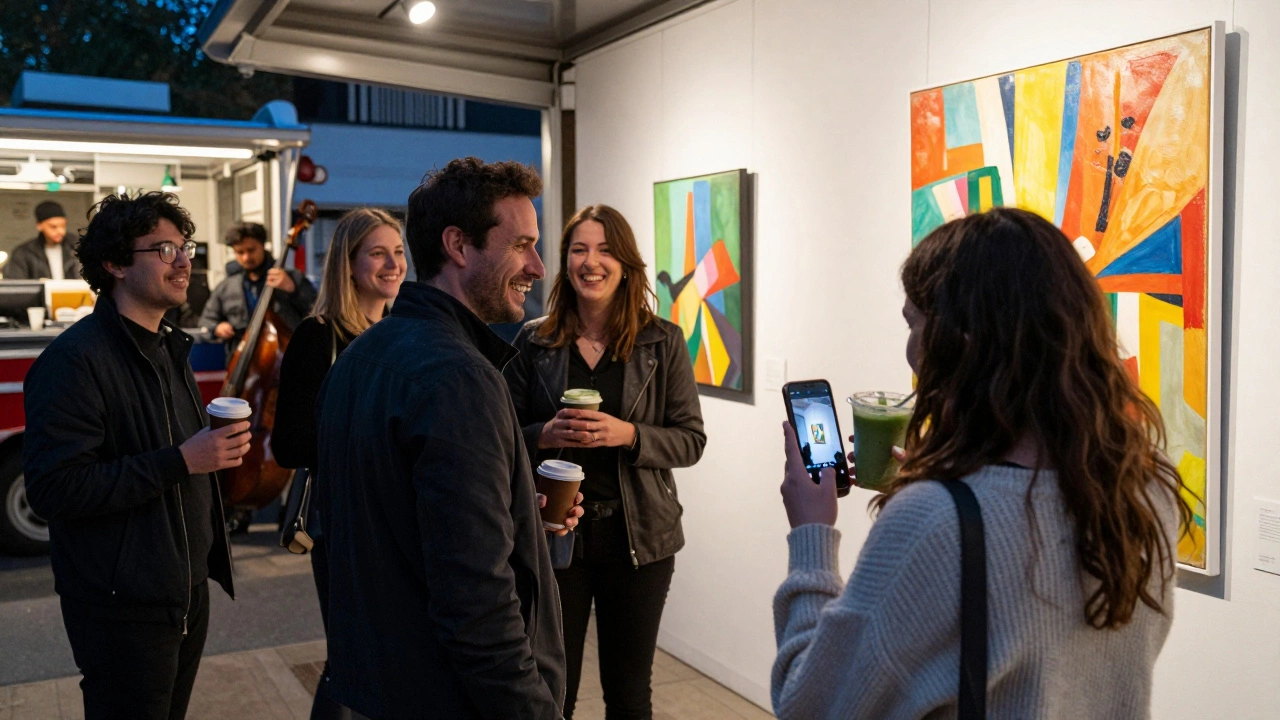
Art exhibitions that feel like libraries don’t draw crowds. Those that feel like events do. Think less "quiet gallery," more "living room with great art."Host live performances tied to the theme. A poetry reading during a show on identity. A jazz trio playing in the corner of a contemporary abstract exhibit. Let people move, talk, laugh. Add food trucks outside. Offer free coffee or tea during opening night. Make it a reason to stay longer than five minutes.
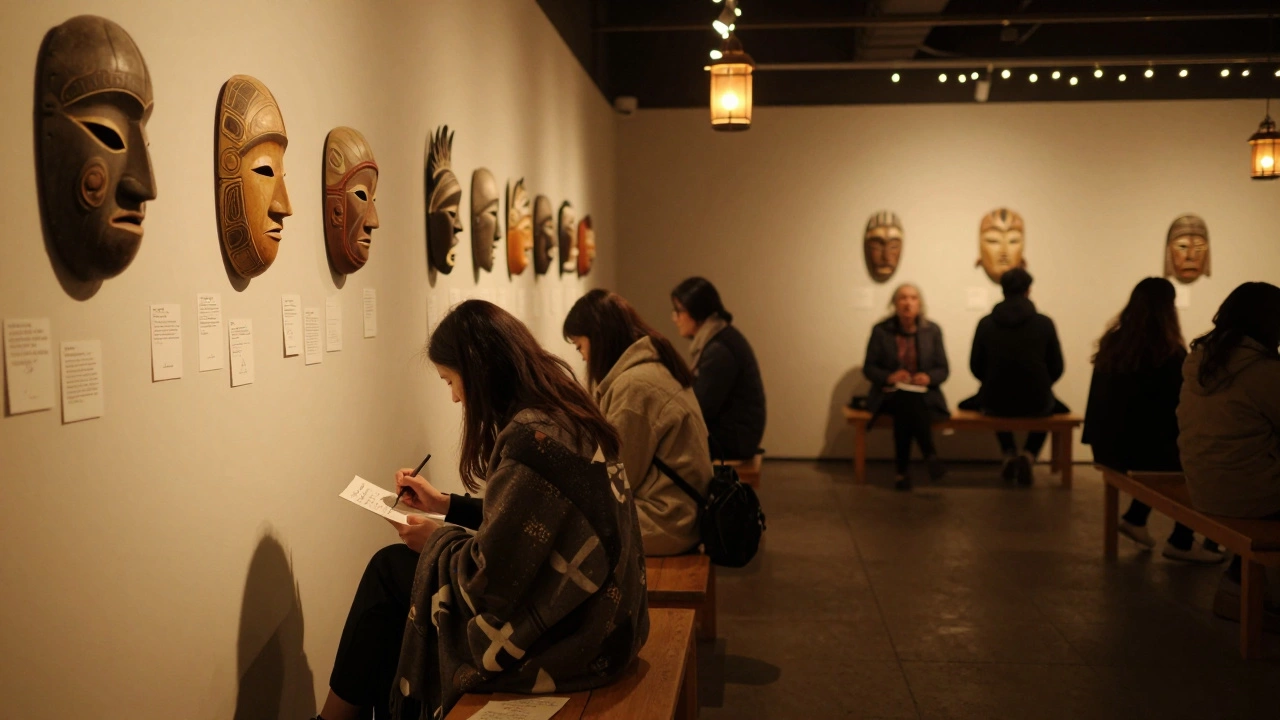
One gallery in Montreal turned their winter exhibit into a "Winter Light Salon." They dimmed the lights, added string lights and heated blankets, and invited visitors to write notes on small cards about what the art made them feel. Those notes were pinned to a wall beside the artwork. People came back just to see what others had written. The show ran for six weeks instead of the planned four.
Use local influencers-not just art critics
You don’t need a New York Times review to fill a room. You need real people in your city who already have trust with their followers.Find local photographers, podcasters, dancers, or even chefs who love art. Invite them to a private preview. Give them a small, meaningful gift-a print, a catalog, a handmade ceramic mug from the artist. Ask them to post about it. Not a sponsored ad. Just their honest reaction.
In Vancouver, a food blogger with 12K followers posted a video of herself standing in front of a large abstract painting, sipping a matcha latte from a nearby café, saying, "I didn’t get this piece at first… until I realized it looked like the storm last week." That post got 8,000 views. Over 300 people showed up the next weekend.
Tease, don’t reveal
Don’t post the whole show online before it opens. That kills curiosity. Instead, drop clues.Post a close-up of a texture-just a brushstroke, a fold of fabric, a crack in clay-with no context. Ask people to guess what it is. Run a poll: "Which title fits this piece?" Use Instagram Stories with countdowns. Send a short video to your email list showing a hand placing a painting on the wall-no title, no artist name. Just the silence before the reveal.
A gallery in Toronto did this with a show on climate grief. They posted one image per day for a week: a single shoe in mud, a melted clock, a child’s drawing of a flooded city. Each image had no caption. The final post said: "This is what we lost. Opening Friday." They sold out the opening night.
Make it easy to bring friends
People don’t go to art shows alone unless they’re die-hard fans. They go because someone they know asked them to. Make it easy to say yes.Offer a "Bring a Friend Free" ticket for the first week. Create a simple shareable graphic: "I’m seeing [Exhibition Name] with you. Come?" Add a QR code that links to the ticket page. Run a contest: "Tag a friend who needs this. Both get free entry."
Partner with local bookstores, yoga studios, or record shops. Put a flyer on their counter with a code: "Show this at [Gallery Name] and get 20% off your next purchase." Cross-promotion builds trust. People don’t feel like they’re being sold to-they’re being invited into a community.
Use the street, not just the screen
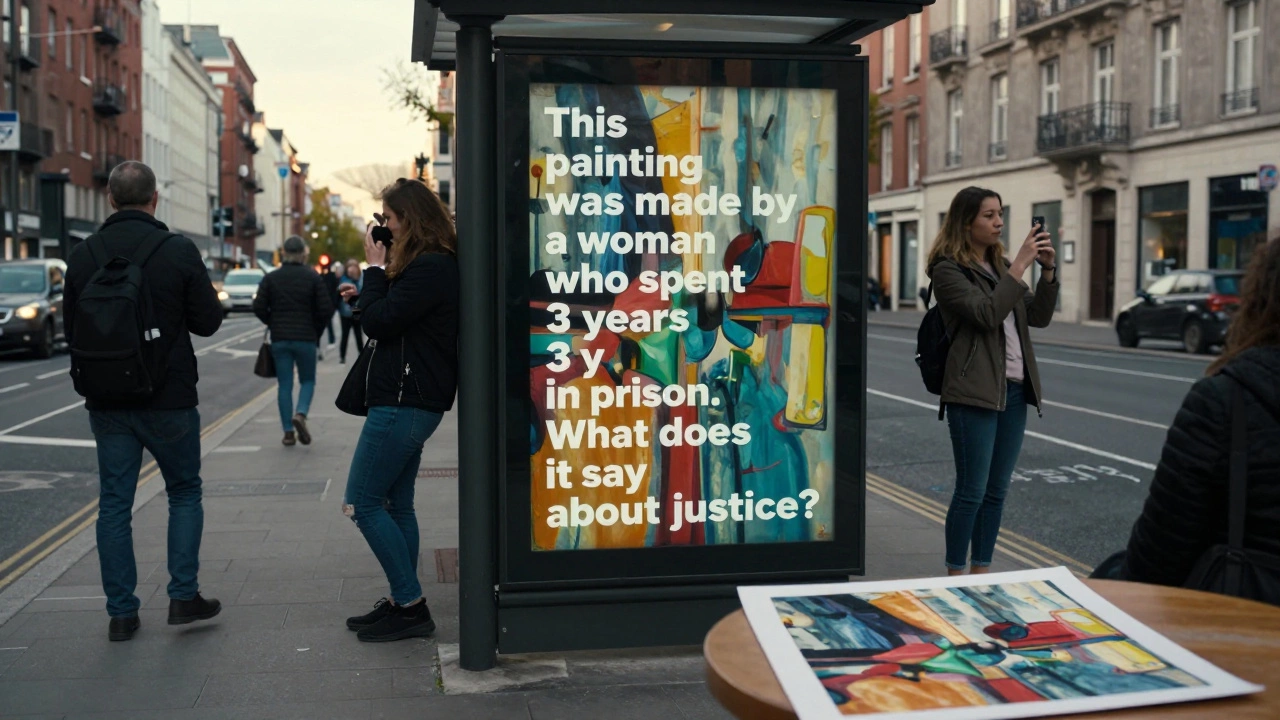
Digital ads are loud. But people ignore them. Physical presence still works.Put up a large, striking image from the show on a bus shelter. Use bold text: "This painting was made by a woman who spent 3 years in prison. What does it say about justice?"
Leave small, hand-printed postcards on café tables. One side: a detail from a painting. The other: "Find the full piece at [Gallery Name]. Open Thurs-Sun. Free entry."
One gallery in Portland taped 500 small mirrors to the sidewalk outside their building. Each mirror reflected a detail from the show. People stopped. Took photos. Tagged the gallery. The show got 40% more foot traffic in the first week than any previous exhibit.
Don’t forget the afterglow
The show doesn’t end when the doors close. The real connection happens after.Send a short email to attendees: "Thanks for coming. Here’s a 30-second video of the artist talking about the piece you stood in front of the longest." Include a link to a digital archive of the show. Invite them to join a monthly art walk.
Turn visitors into ambassadors. Ask them to post their favorite moment. Repost their photos. Give them a badge: "I saw [Exhibition Name]-and I got it." People love being part of something that matters.
It’s not about the art. It’s about the experience.
You can have the most brilliant collection in the world. But if people don’t feel something when they walk in, they won’t come back. Or tell anyone else.Art exhibitions thrive when they’re not just seen. They’re felt. Shared. Talked about. Made into a memory.
Stop asking, "How do I get people to come?" Start asking, "What will make them want to stay?"