Explore the History of Female Rappers
Scroll down or use the buttons below to navigate through the key eras and pioneers who shaped women's presence in hip-hop.
The Early Underground
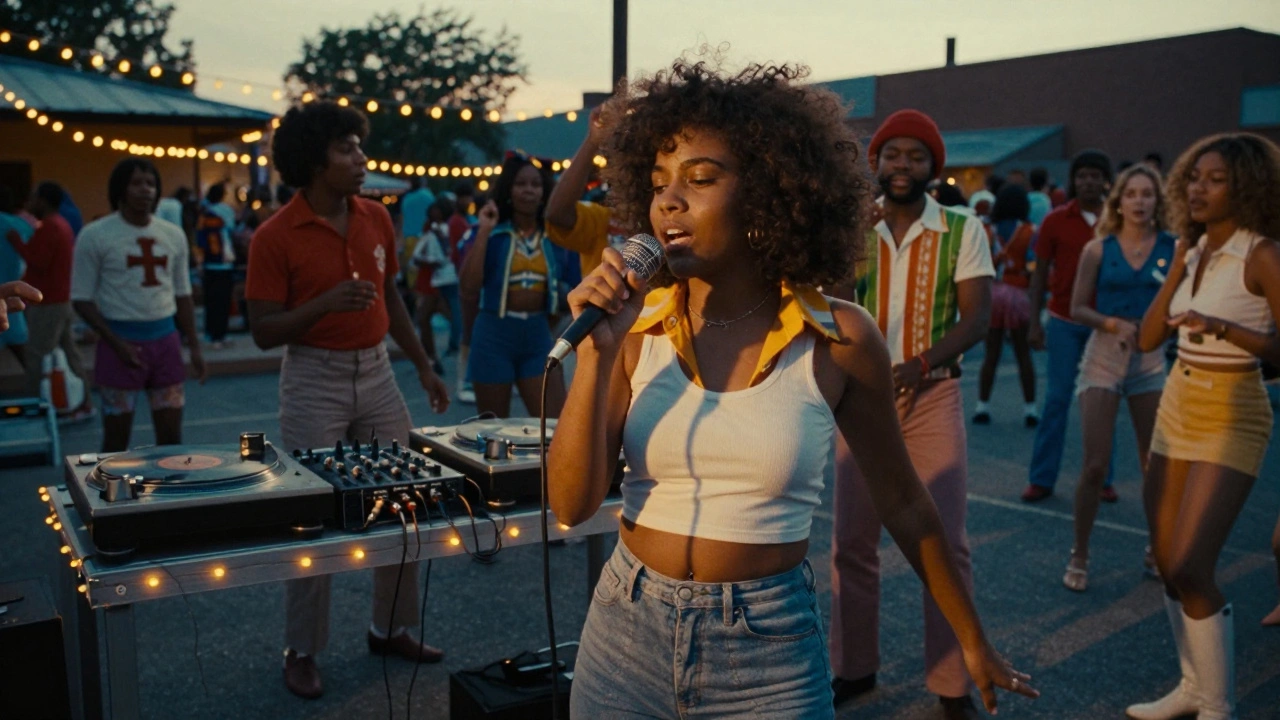
Women were present from day one but often overshadowed. Kiara "Kiki" Goodwin performed with The Treacherous Three, and Miss Melody laid groundwork with rhythmic chanting.
Mainstream Breakthrough
Sha-Rock (Funky 4 + 1) became the first prominent female MC on record. Her aggressive style proved women could compete with men in speed and energy.
Conscious Rap & Activism
Sister Souljah brought intellectual depth to the genre. Her song "Freedom" addressed social issues, showing female rappers could be lyrical and politically aware.
All-Female Groups Rise
Salt-N-Pepa changed the game with hits like "Push It," bringing hip-hop to a wider audience. Meanwhile, The Fatima Sisters proved women fit into harder West Coast styles.
The Solo Titans
MC Lyte became the first solo female rapper to go platinum. Queen Latifah asserted empowerment and black pride, forming "The Queens of Rap" collective.
When you think about the pioneers of hip-hop, names like Grandmaster Flash or Kool Herc usually pop up first. But what about the women who stood on those same stages, grabbing the microphone and demanding to be heard? The question "who was the first female rapper" doesn't have a single, simple answer because hip-hop wasn't born in a vacuum-it evolved through different eras, from block parties in the Bronx to the golden age of recording studios in New York.
To understand who holds this title, we need to look at how the definition of "rapper" changed over time. Were they just backing vocalists? Or were they solo artists carrying the track? This journey takes us through the 1970s, the rise of the all-female groups in the early 80s, and the breakthrough solo careers that paved the way for today's stars.
The Early Days: Backing Vocals and Block Parties
In the very beginning, hip-hop was largely a male-dominated space. DJs spun records, and MCs (Masters of Ceremony) hyped up the crowd. However, women were present from day one, even if their roles weren't always front-and-center. Kiara "Kiki" Goodwin is often cited as one of the earliest known female MCs. In the mid-1970s, she performed with the group The Treacherous Three, though her contributions were often overshadowed by her male counterparts. She didn't release a major commercial hit under her own name during that era, but her presence on stage marked an important, albeit quiet, start.
Then there was Miss Melody. She was part of the crew associated with DJ Hollywood and is credited with some of the earliest recorded verses by a woman in hip-hop. Her style was more about rhythmic chanting and hype than the complex lyricism we see today, but it laid the groundwork. These early performers showed that women could hold a mic, even if the industry wasn't ready to spotlight them as solo acts yet.
The Breakthrough: Funky 4 + 1 and Sister Souljah
If we are looking for the first female rapper to gain significant mainstream recognition, the conversation shifts to Sha-Rock (Sharon Green). As a member of the group Funky 4 + 1, she became famous in the late 1970s. The "+1" in the group's name referred to her specifically. Sha-Rock was aggressive, confident, and technically skilled. She is widely considered the first female rapper to appear on a major commercial record, contributing to the 1979 track "Rappin' and Rocking the House." Her flow was sharp, and she proved that women could compete with men in terms of speed and energy.
Shortly after, Sister Souljah made waves in the early 1980s. Before she became a political activist, she was a rapper with the group Soul Sonic Force. Their song "Freedom" released in 1983, was a conscious hip-hop anthem that addressed social issues. Sister Souljah brought a level of intellectual depth to the genre that was rare at the time, showing that female rappers could be both lyrical and politically aware.
The All-Female Groups: Salt-N-Pepa and The Fatima Sisters
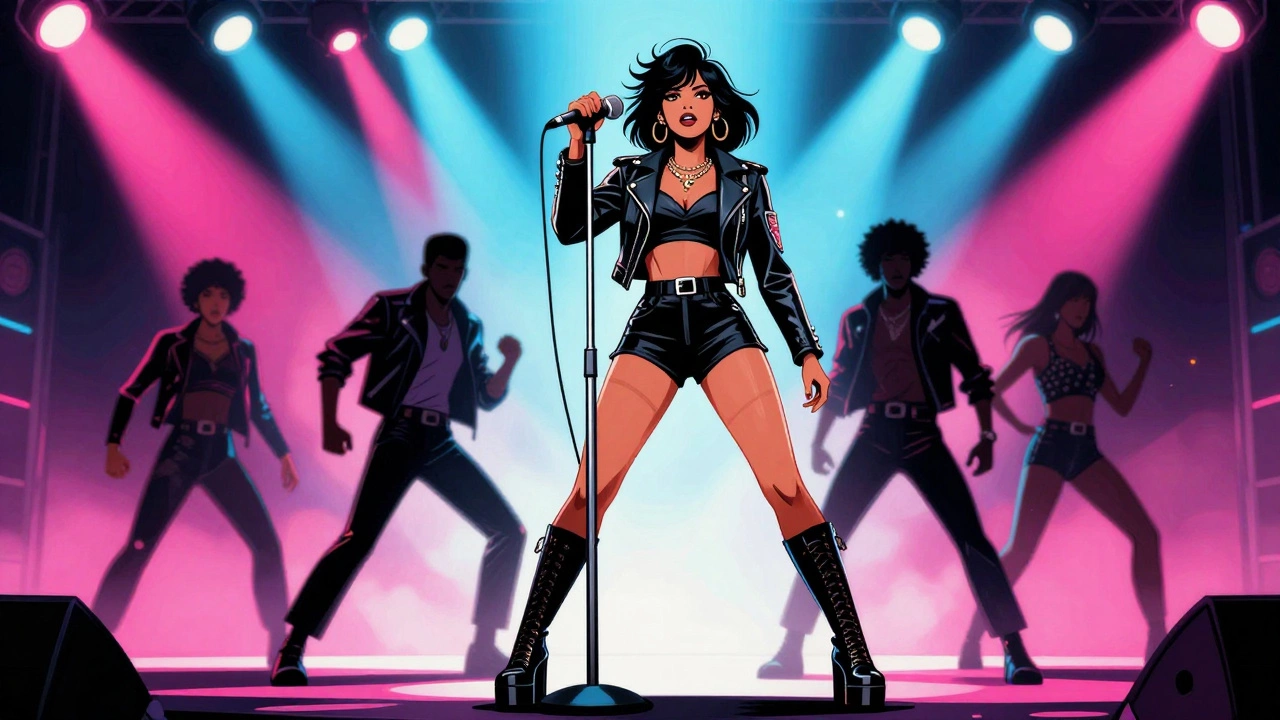
By the mid-1980s, the landscape began to shift again. Instead of lone wolves, we saw the rise of powerful all-female collectives. Salt-N-Pepa (Cheryl James and Sandra Denton) emerged from Long Island, New York, and changed the game entirely. They weren't just rapping; they were creating a brand. With hits like "Push It" and "Let's Talk About Sex," they dominated the charts and challenged societal norms. Cheryl James, known as Salt, is often called the "Queen of Rap" for her pioneering role in bringing hip-hop to a wider, predominantly white audience.
At the same time, The Fatima Sisters were making noise in California. Formed by sisters Dina and Tanya Joseph, they released "Bad" in 1986, which featured a young Ice-T on the remix. Their sound was harder and more aligned with the West Coast gangsta rap aesthetic, proving that women could fit into any subgenre of hip-hop, not just the pop-friendly ones.
The Solo Era: MC Lyte and Queen Latifah
While groups were successful, the true test of a pioneer is often seen in solo success. This brings us to two titans: MC Lyte and Queen Latifah. Many historians argue that MC Lyte was the first solo female rapper to achieve platinum status with her album Lyte as a Rock in 1988. Her track "Cha Cha Cha" remains a classic, showcasing her technical prowess and ability to craft catchy hooks without sacrificing lyrical complexity.
Queen Latifah, on the other hand, brought a message of empowerment and black pride. Her 1989 hit "Ladies First" sampled the earlier work of Brenda Sykes and Martha Wash, paying homage to the past while asserting her place in the future. Latifah’s image was regal and strong, countering the sexualized stereotypes that were starting to emerge in the industry. Both women, along with Monie Love (of the group Brown Sugar), formed the collective The Queens of Rap, touring together and solidifying the idea that women belonged in hip-hop leadership roles.
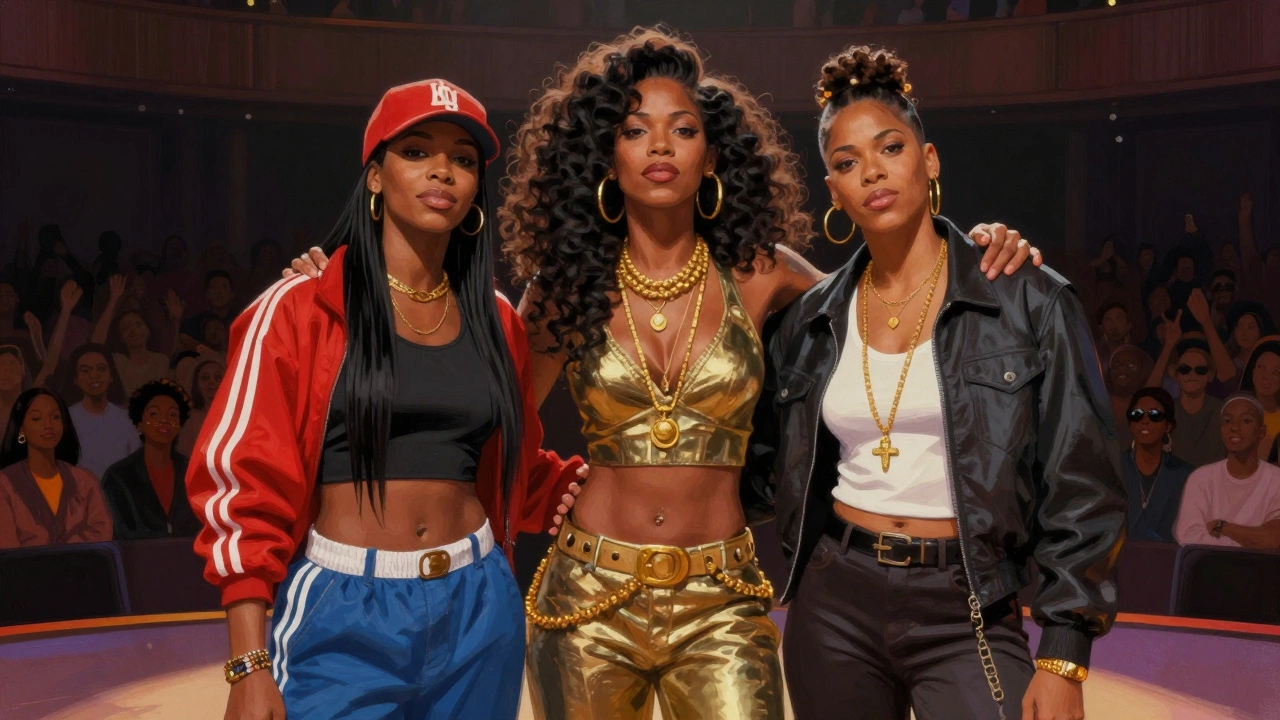
Defining the "First": A Complex Legacy
So, who exactly was the first? If you mean the first woman to rap on a record, it might be someone like Miss Melody or a background vocalist in the 70s. If you mean the first to get national fame, it’s Sha-Rock. If you mean the first to build a sustainable solo career, it’s likely MC Lyte or Queen Latifah. There is no single winner because hip-hop is a collective culture. Each of these women built upon the shoulders of the one before her.
The evolution from Kiara Goodwin’s underground sets to MC Lyte’s platinum albums shows a clear trajectory of increasing visibility and respect. Today, when we listen to artists like Cardi B or Megan Thee Stallion, we are hearing the direct result of the doors cracked open by these pioneers. They faced sexism, limited radio play, and skepticism from male peers, yet they persisted. Their legacy isn't just in their discographies; it's in the fact that female rappers are now considered essential to the genre, not exceptions.
| Artist | Era | Key Contribution | Notable Work |
|---|---|---|---|
| Kiara "Kiki" Goodwin | Mid-1970s | Early underground MC | The Treacherous Three performances |
| Sha-Rock | Late 1970s | First prominent female MC on record | Funky 4 + 1 - "Rappin' and Rocking the House" |
| Sister Souljah | Early 1980s | Conscious rap and activism | Soul Sonic Force - "Freedom" |
| Salt-N-Pepa | Mid-1980s | Mainstream crossover success | "Push It", "Whatta Man" |
| MC Lyte | Late 1980s | First solo female platinum artist | Lyte as a Rock |
| Queen Latifah | Late 1980s | Empowerment and cultural icon | "Ladies First", All Hail the Queen |
Why This History Matters Today
Understanding who the first female rappers were helps us appreciate the current state of hip-hop. When you hear a female artist commanding a stadium, remember that they are standing on a foundation built by women who had to fight for every inch of airtime. The struggles these pioneers faced-being dismissed as novelties or forced into sexualized roles-are echoes of battles still being fought today. By acknowledging figures like Sha-Rock and MC Lyte, we honor the resilience and talent that defined the genre's early years.
Hip-hop is more than just music; it's a cultural movement. And women have been central to that movement from the start. Whether through the poetic bars of Sister Souljah or the chart-topping anthems of Salt-N-Pepa, these artists ensured that women’s voices would never be silenced in hip-hop. Their stories are not just footnotes; they are the main chapter of the genre's history.
Was Sha-Rock the first female rapper?
Sha-Rock is widely considered the first female rapper to gain significant mainstream recognition and appear on a major commercial record. As the "+1" in Funky 4 + 1, she broke barriers in the late 1970s, although women like Kiara Goodwin were performing underground slightly earlier.
Who was the first solo female rapper to go platinum?
MC Lyte is credited as the first solo female rapper to achieve platinum status with her 1988 debut album, Lyte as a Rock. This milestone proved that women could sustain successful solo careers in hip-hop without relying on group dynamics.
What did Salt-N-Pepa contribute to hip-hop?
Salt-N-Pepa brought hip-hop to a massive mainstream audience. They combined catchy melodies with sharp lyrics and tackled controversial topics like sexuality, challenging norms and paving the way for future female artists to express themselves freely.
Who are the Queens of Rap?
The Queens of Rap was a touring collective formed by three iconic female rappers: MC Lyte, Queen Latifah, and Monie Love. They toured together in the late 1980s and early 1990s, symbolizing unity and strength among women in the hip-hop industry.
Did women exist in hip-hop before the 1980s?
Yes, women were present in hip-hop from its inception in the 1970s. Artists like Kiara Goodwin and Miss Melody performed at block parties and on early recordings, though they often received less credit and media attention than their male counterparts.