Music Genre Difficulty Analyzer
Select a music genre below to visualize its unique technical demands and required skill sets.
Death Metal
Physical Speed & Endurance
Jazz Fusion
Theory & Improvisation
Classical (Baroque)
Precision & Polyphony
Math Rock
Rhythmic Complexity
Opera
Vocal Control & Stamina
Skill Breakdown
Key Challenges
Required Skills
Ask ten musicians which genre is the hardest to play, and you’ll likely get ten different answers. The drummer will swear by Death Metal. The violinist will point to Baroque Concertos. The jazz pianist might laugh and say it’s impossible to choose because improvisation has no ceiling. There is no single "hardest" genre because difficulty is subjective. It depends entirely on what skills you value most: speed, precision, theoretical knowledge, or emotional expression.
However, we can objectively analyze the technical demands of various genres. Some styles require faster finger movements. Others demand a deeper understanding of harmony. Let’s break down the contenders for the title of the most difficult musical style, looking at specific instruments and the unique challenges they present within each context.
The Speed Demon: Death Metal and Progressive Metal
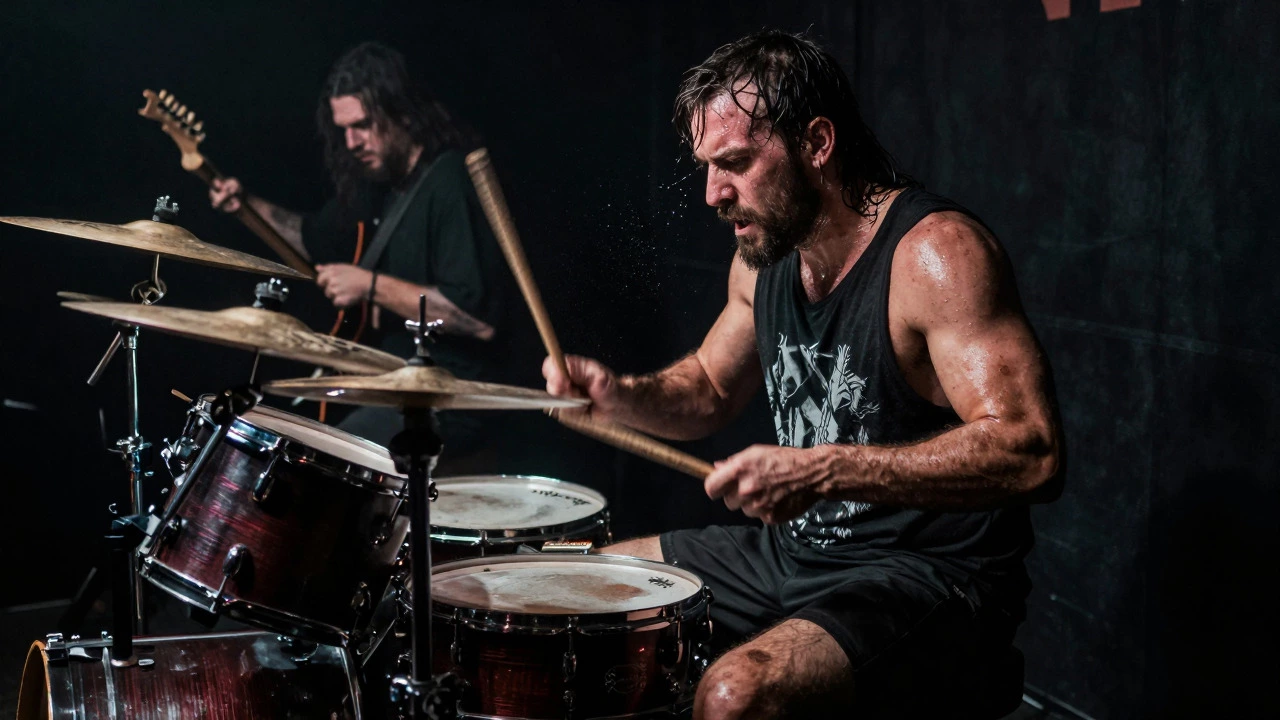
When people talk about physical difficulty in music, they usually start with metal. Specifically, Death Metal and its subgenre, Technical Death Metal, push human limits. Bands like Meshuggah or Opeth don’t just play fast; they play in time signatures that defy natural rhythm, such as 7/8 or 13/16.
For guitarists, this means mastering Palm Muting techniques at blistering speeds while maintaining perfect clarity. Every note must be distinct. If one string buzzes, the tightness of the riff collapses. Drummers face an even greater challenge. They must coordinate their limbs independently while executing double-bass pedal patterns at 200 beats per minute or more. This requires not just strength, but incredible endurance and neurological coordination.
Yet, metal isn’t necessarily the hardest if you look at it through a theoretical lens. You can learn the notes of a death metal song by rote memory. You don’t always need to understand why those notes work together. That’s where other genres step in.
The Intellectual Maze: Jazz Fusion and Bebop
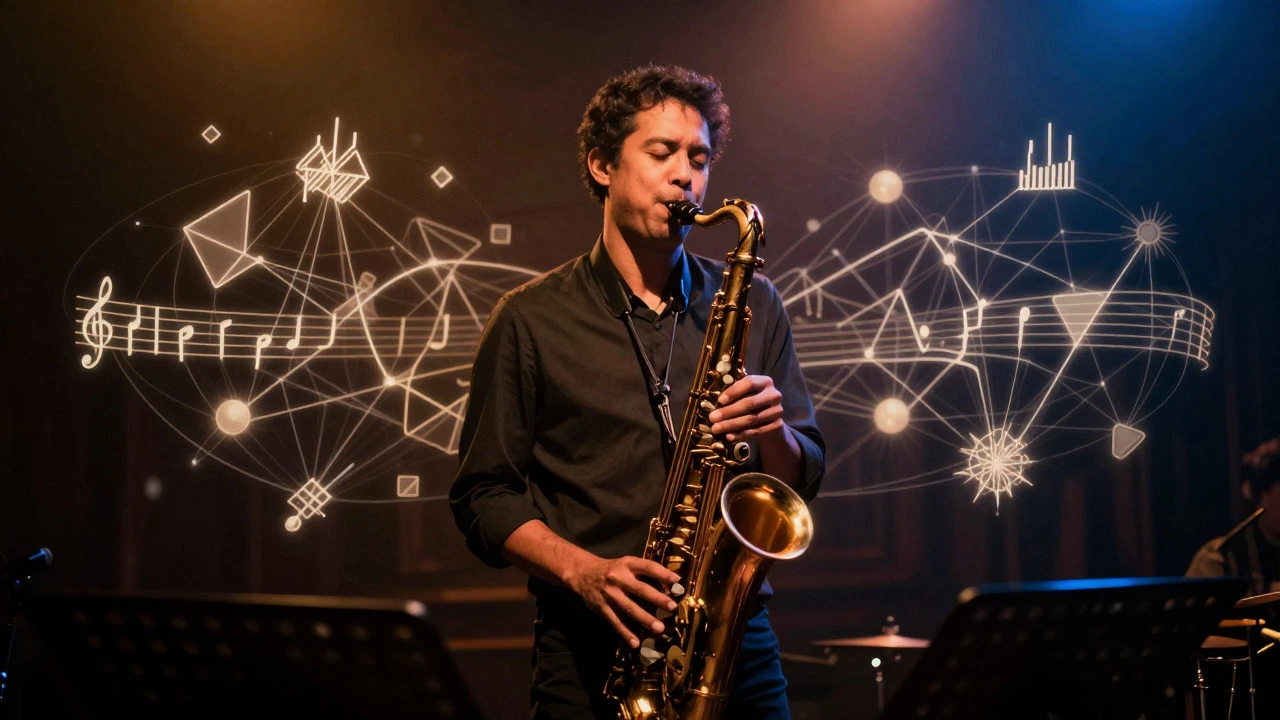
If metal tests your body, Jazz tests your brain. Specifically, Bebop and Jazz Fusion are notoriously difficult because they require real-time decision-making. In rock or pop, you often play the same part every night. In jazz, the melody is just a suggestion. The rest is improvisation.
To improvise correctly, you need to know thousands of scales, chords, and arpeggios inside out. You have to recognize chord changes instantly and respond with appropriate melodic lines. Think of it like speaking a language fluently versus reading from a script. Reading is easier. Speaking spontaneously is hard.
Musicians like John Coltrane or Chick Corea spent decades studying theory so they could make split-second creative choices. The difficulty here isn’t just hitting the right note; it’s hitting the *right* note at the *right* time while interacting with other players who are also improvising. One wrong move doesn’t just sound bad; it breaks the conversation.
The Precision Trap: Classical Baroque and Romantic Eras
Classical Music is often dismissed as "easy" because it’s written down. But anyone who has tried to play a Bach Fugue or a Liszt Sonata knows better. The difficulty lies in absolute precision. There is no room for error. In rock, a slightly off-beat drum hit adds groove. In classical music, it sounds like a mistake.
Baroque music, composed by figures like Johann Sebastian Bach, requires polyphonic thinking. You aren’t just playing a melody; you’re managing multiple independent voices simultaneously. On a piano or organ, this means your left hand might be playing a bass line while your right hand handles two counter-melodies. Each voice needs its own dynamic shape and articulation.
Romantic era pieces, such as those by Franz Liszt or Sergei Rachmaninoff, demand massive stretches and rapid octaves. These works were written for virtuoso performers with large hands. Playing them today requires years of physical conditioning to avoid injury while maintaining the required power and control.
The Rhythmic Puzzle: Math Rock and Odd Time Signatures
A newer contender for the hardest genre is Math Rock. Bands like Tortoise or Hella use complex rhythmic structures that feel unnatural to most listeners. Songs might switch between 5/4, 7/8, and 9/8 time signatures every few bars.
The challenge here is internalizing these rhythms until they feel natural. Most people think in 4/4 time. Math rock forces you to rewire your brain to count differently. Guitarists must execute precise, staccato chords that interlock like gears. If one person rushes or drags, the entire structure falls apart. It’s less about speed and more about mathematical accuracy.
The Vocal Challenge: Opera and Coloratura Soprano
We often forget that singing is an instrument too. Opera, particularly roles written for Coloratura Sopranos, is physically exhausting. Singers must produce powerful, unamplified sound that fills a large hall. This requires exceptional breath control, diaphragm strength, and vocal placement.
Coloratura passages involve rapid runs and trills that must be perfectly pitched. Unlike a guitar, where you can adjust the fret, a singer must tune their voice by ear in real-time. Adding to the difficulty is the requirement to act, dance, and wear heavy costumes while performing. The mental load of remembering lyrics in foreign languages (Italian, German, French) while managing physical exertion makes opera one of the most demanding performance arts.
Comparing Difficulty Across Genres
To visualize how these genres differ in their demands, let’s look at a comparison table. Note that "difficulty" is broken down into specific skill sets rather than a single score.
| Genre | Primary Challenge | Key Skills Required | Learning Curve |
|---|---|---|---|
| Death Metal | Physical Speed & Endurance | Palm muting, double-kick drumming, synchronization | Steep initial phase, plateau later |
| Jazz Fusion | Theoretical Knowledge & Improvisation | Harmony, ear training, real-time composition | Continuous, never-ending learning |
| Classical (Baroque) | Precision & Polyphony | Voice independence, strict dynamics, articulation | Very steep, requires early specialization |
| Math Rock | Rhythmic Complexity | Odd time signatures, interlocking parts, counting | High cognitive load initially |
| Opera | Vocal Control & Stamina | Breath support, pitch accuracy, language pronunciation | Years of physical conditioning |
Why Instrument Choice Matters More Than Genre
It’s crucial to remember that the instrument dictates much of the difficulty. Playing Flamenco Guitar involves techniques like rasgueado (strumming) and picado (scale runs) that are incredibly fast and percussive. Compare that to playing the same genre on a synthesizer, which might only require pressing keys.
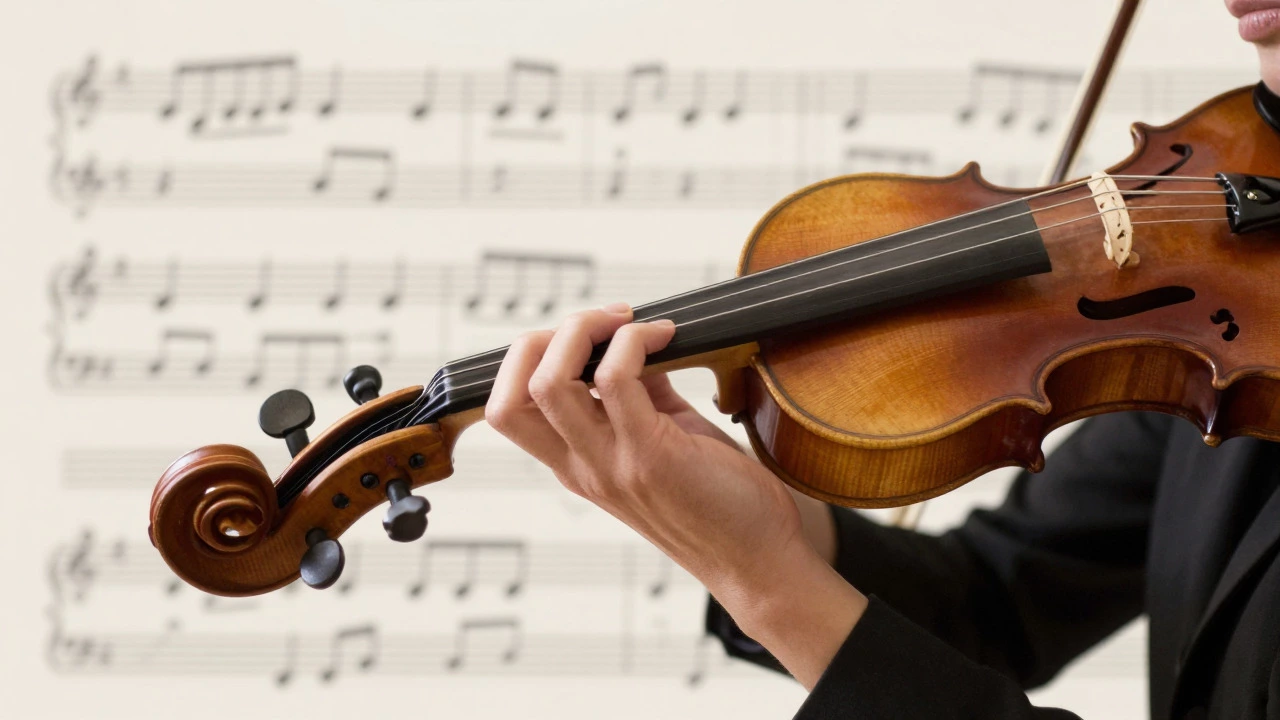
Similarly, the Era Violin in Western Classical Music is considered one of the hardest instruments to master due to the lack of frets. You must place your fingers exactly where the pitch belongs, relying solely on muscle memory and hearing. A millimeter off, and you’re out of tune. In contrast, a beginner can play a recognizable chord on a ukulele within minutes.
The Role of Practice and Neuroplasticity
Ultimately, the "hardest" genre is the one you haven’t practiced enough. Our brains adapt through neuroplasticity. What seems impossible today becomes automatic with repetition. A child raised listening to Indian Classical Music may find its complex ragas intuitive, while struggling with Western rock chords. Context shapes perception of difficulty.
Instead of asking which genre is hardest, ask which skills you want to develop. Do you want to build stamina? Try metal. Do you want to sharpen your intellect? Study jazz. Do you want perfection? Pursue classical. Each path offers its own mountain to climb.
Is jazz harder than classical music?
It depends on how you define difficulty. Classical music requires precise execution of written notes, demanding high levels of technical control and discipline. Jazz requires deep theoretical knowledge and the ability to improvise in real-time. For many musicians, the uncertainty of improvisation makes jazz feel more mentally challenging, while classical feels more physically rigorous due to the demand for perfection.
What is the hardest instrument to play in any genre?
The violin and viola are often cited as the hardest instruments because they lack frets, requiring perfect intonation by ear alone. The oboe is also extremely difficult due to its complex reed system and breath control requirements. However, difficulty is subjective; a trumpet player might find the piano’s two-handed coordination more challenging.
Can beginners learn death metal easily?
Beginners can start learning basic riffs in death metal, but mastering the genre takes years. The physical demands on hands and feet are high. Starting with simpler punk or hardcore tracks can help build the necessary speed and stamina before tackling complex technical death metal songs.
Why is math rock considered difficult?
Math rock uses irregular time signatures like 7/8 or 5/4, which disrupt the natural 4/4 pulse most people are used to. Musicians must memorize complex rhythmic patterns and synchronize tightly with bandmates. The cognitive load of counting and switching rhythms mid-song makes it mentally taxing.
Does age affect how hard a genre is to learn?
Yes, younger learners often develop fine motor skills and auditory processing abilities more quickly. However, adults can compensate with focused practice and analytical understanding. While a child might pick up speed faster, an adult might grasp theoretical concepts like jazz harmony more deeply.
Is electronic music production easier than playing traditional instruments?
Electronic music production removes some physical barriers, like finger dexterity, but introduces new complexities. Producers must understand signal flow, mixing, synthesis, and arrangement. While you can create a beat quickly, crafting a professional-sounding track requires extensive knowledge of audio engineering and music theory.
Which genre requires the most practice hours to master?
Classical music typically requires the most structured practice hours due to the sheer volume of repertoire and the demand for technical perfection. Jazz also requires continuous study, but the focus shifts from rote repetition to theoretical exploration and improvisational practice over time.