Find Your Perfect Calming Genre
Select your current situation to find the most effective soundscape.
Recommended Genre:
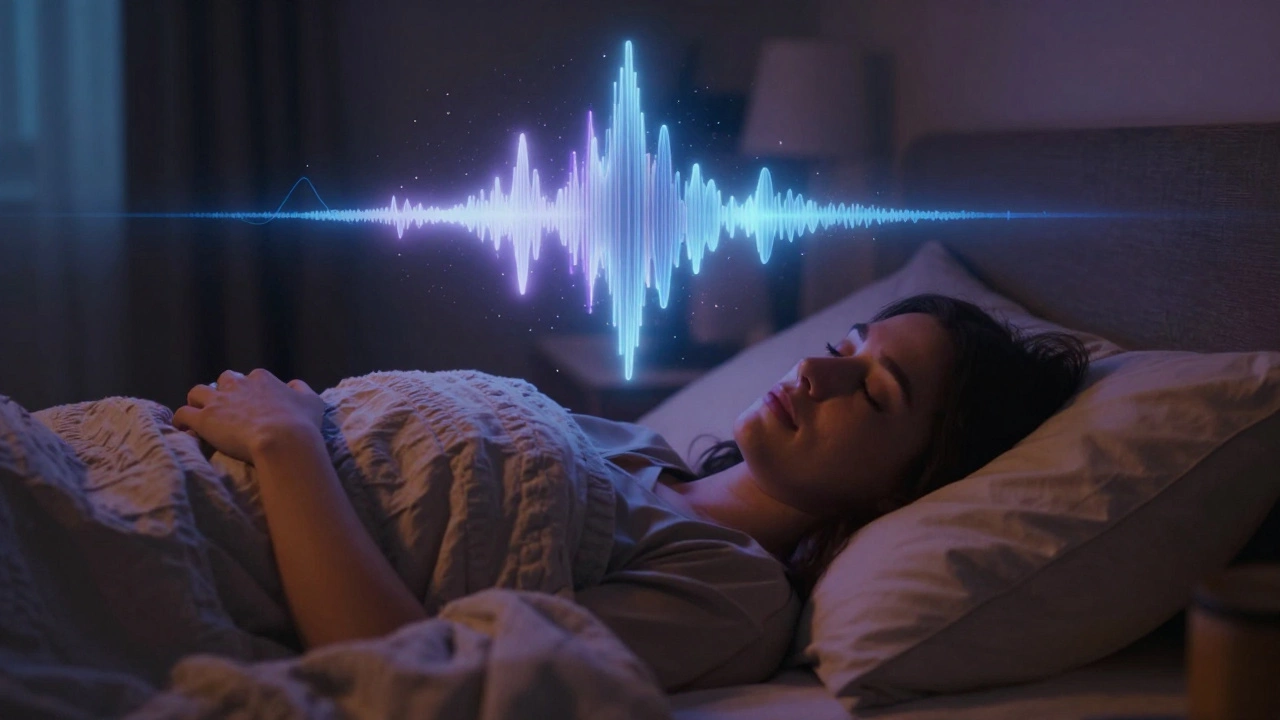
It is 11:30 PM. You have been staring at your ceiling for forty minutes. Your mind is racing with tomorrow’s to-do list, and your heart rate feels just a little too high for someone who is supposed to be sleeping. You reach for your phone, open a streaming app, and type in "sleep music." Suddenly, you are faced with thousands of playlists titled "Deep Sleep," "Instant Calm," and "Zen Garden." But which one actually works? Is it the heavy strings of a cello suite, the repetitive hum of synth pads, or the crackle of vinyl rain sounds?
The question of what genre is the most calming does not have a single answer because relaxation is subjective. However, neuroscience and audio engineering point to specific structural elements that trigger the parasympathetic nervous system-the body's "rest and digest" mode. By understanding how different genres manipulate tempo, frequency, and expectation, you can curate a soundscape that genuinely lowers cortisol levels rather than just masking noise.
The Science of Slow: Why Tempo Matters More Than Genre
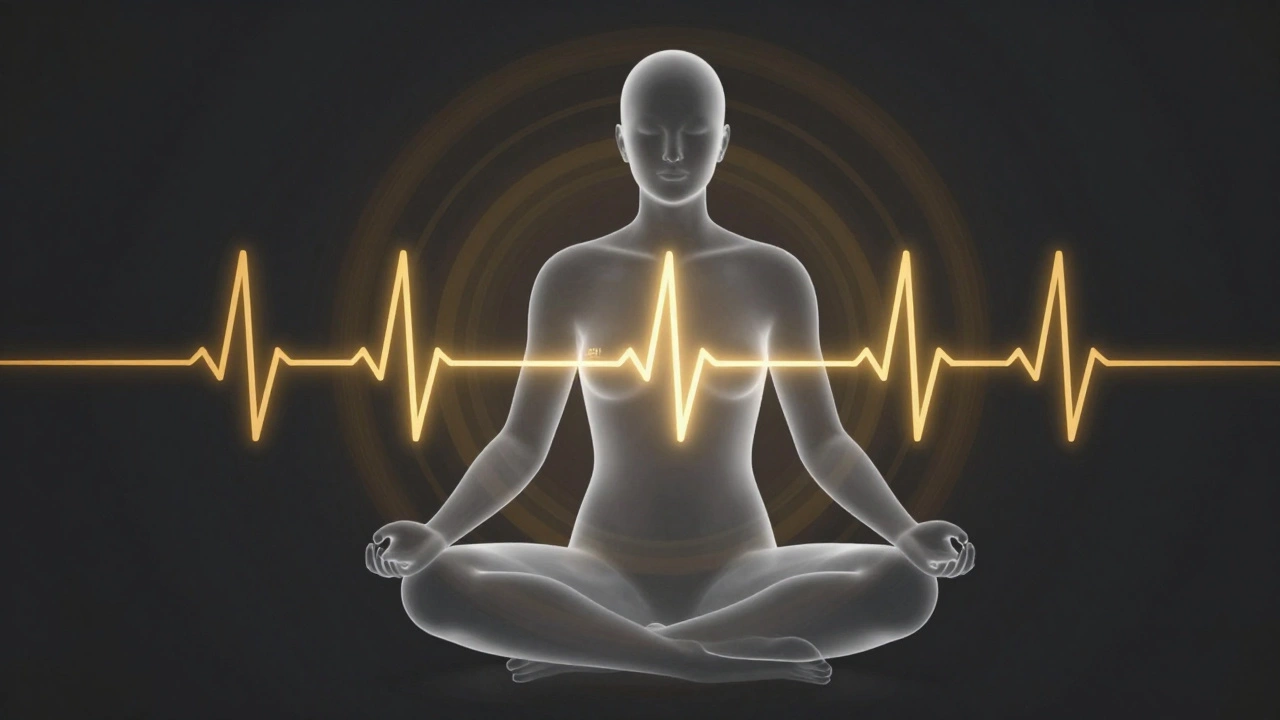
Before diving into specific styles, we need to address the engine under the hood: tempo. Research from the University of Windsor suggests that music with a tempo of 60 beats per minute (BPM) aligns with the resting human heart rate. This synchronization, known as entrainment, encourages your heartbeat to slow down to match the rhythm of the track.
Most commercial pop music sits between 100 and 128 BPM, designed to keep you moving or engaged. In contrast, calming genres typically operate between 40 and 70 BPM. When you listen to a piece at this speed, your brain stops predicting rapid changes. The lack of surprise reduces cognitive load. If a song has a sudden drum fill or a key change, your brain spikes with alertness. Calming music avoids these surprises entirely.
This principle applies across all genres. A fast-paced jazz piece will likely increase anxiety, while a slow blues ballad might soothe you. Therefore, when looking for the most calming option, check the BPM first. If it exceeds 75, it is probably working against your goal of relaxation.
Ambient Music: The Art of Doing Nothing
If there is a king of calm, it is Ambient Music, defined by atmospheric soundscapes designed to induce calm and space. Pioneered by Brian Eno in the late 1970s, ambient music was explicitly created to be "ignorable as it is interesting." Unlike traditional songs, ambient tracks rarely have verses, choruses, or distinct melodies. Instead, they consist of long, evolving textures.
Why does this work? Ambient music lacks a narrative arc. There is no climax to anticipate and no resolution to wait for. This absence of structure allows the listener to drift without their brain constantly analyzing where the song is going. It acts as an auditory blanket.
- Key Characteristics: Long sustain notes, lack of percussion, subtle modulation of synthesizers.
- Best For: Deep sleep, meditation, or background noise during focused work.
- Notable Artists: Brian Eno, Stars of the Lid, Hiroshi Yoshimura.
For many people, ambient is the ultimate tool for shutting off the internal monologue. Because there are no lyrics to decode and no rhythm to tap your foot to, your mind has nowhere to latch onto, forcing it into a state of passive rest.
Classical Music: The Mozart Effect and Beyond
When people think of sophisticated relaxation, they often turn to Classical music. Specifically, the Baroque period (1600-1750) offers some of the most scientifically validated calming compositions. Pieces by Johann Sebastian Bach, such as the Cello Suite No. 1 in G Major, feature strict mathematical structures and predictable harmonic progressions.
The predictability here is key. Your brain enjoys patterns. When it hears a pattern it recognizes and expects, it releases dopamine in small, steady amounts. This is different from the adrenaline spike of a surprise drop in electronic dance music. Baroque music provides a sense of order and stability, which can be incredibly grounding if you feel chaotic or overwhelmed.
However, not all classical music is calming. Romantic era pieces like Tchaikovsky’s Symphony No. 6 are emotionally turbulent and intense. To find true calm in classical music, stick to solo instrumentals or chamber music with minimal dynamic range. Avoid orchestral swells that mimic emotional outbursts.
Lo-Fi Hip Hop: Comfort in Imperfection
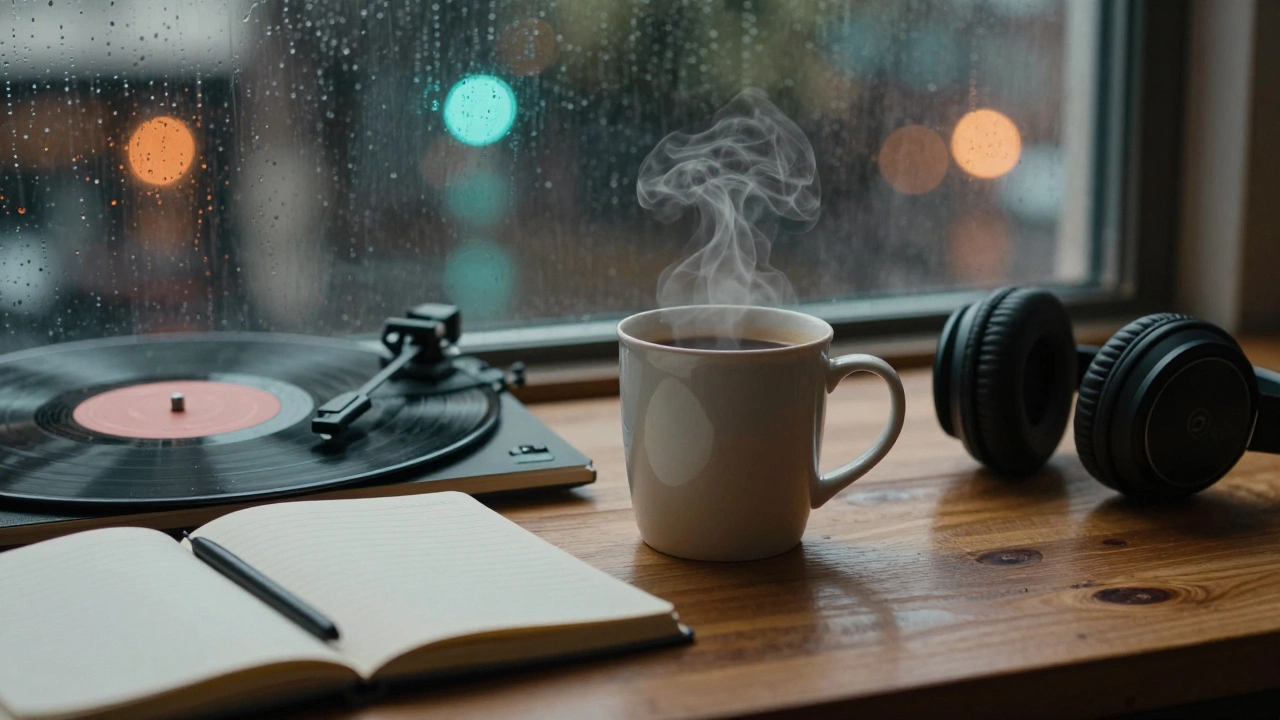
In recent years, Lo-Fi Hip Hop has emerged as a dominant force in relaxation culture. Characterized by low-fidelity production, dusty drum loops, and melancholic jazz samples, this genre creates a cozy, nostalgic atmosphere. Tracks often include background noises like rain, coffee shop chatter, or vinyl crackle.
Why does low-quality sound feel so good? It triggers a psychological response called "warmth." High-definition, sterile audio can feel clinical and demanding. Lo-fi sounds imperfect, human, and safe. It reminds us of old memories or quiet afternoons. The repetition of the beat loop provides a hypnotic anchor, while the minor-key piano chords evoke a gentle sadness that is cathartic rather than depressing.
This genre is particularly effective for study sessions or creative work. It occupies just enough of your attention span to prevent boredom but leaves enough mental bandwidth for thinking. It is the sonic equivalent of wearing an oversized sweater on a rainy day.
Nature Sounds and Binaural Beats: The Non-Musical Approach
Sometimes, melody itself is the distraction. For these listeners, the most calming "genre" is actually nature sounds or binaural beats. These are not composed in the traditional sense but are engineered to affect brainwave states directly.
Binaural beats involve playing two slightly different frequencies in each ear. For example, if your left ear hears 200 Hz and your right ear hears 210 Hz, your brain perceives a third tone at 10 Hz (the difference). This 10 Hz frequency falls within the alpha wave range, associated with relaxed alertness. Delta waves (0.5-4 Hz) are targeted for deep sleep.
Nature sounds, such as ocean waves or forest rain, provide "pink noise." Unlike white noise, which is harsh and static-heavy, pink noise has equal energy per octave, making it deeper and more soothing. It masks disruptive environmental sounds, creating a consistent auditory environment that prevents your brain from waking up due to sudden noises.
Comparing the Top Contenders
To help you choose the right path, let’s look at how these genres compare across different metrics of relaxation.
| Genre | Primary Mechanism | Best Use Case | Potential Downside |
|---|---|---|---|
| Ambient | Lack of structure/predictability | Sleep, Meditation | Can feel boring to active minds |
| Classical (Baroque) | Mathematical order & pattern recognition | Anxiety reduction, Focus | Some pieces are too complex/dynamic |
| Lo-Fi Hip Hop | Nostalgia & rhythmic hypnosis | Studying, Working | Lyrics or vocals can distract |
| Nature Sounds | Masking & evolutionary safety cues | Insomnia, Noise cancellation | Lacks emotional resonance |
How to Build Your Personal Calm Playlist
Finding the most calming genre is not about picking one and sticking to it forever. It is about matching the music to your current physiological state. Here is a simple framework to build your library:
- Identify your stress source. Are you physically tense? Try slow classical or yoga music to guide breathing. Are you mentally cluttered? Try ambient or binaural beats to clear the cache.
- Remove lyrics. Unless you are actively singing along, lyrics engage the language centers of your brain (Broca’s area and Wernicke’s area). This adds cognitive load. Instrumental is almost always calmer.
- Check the volume. Music should be present but not overpowering. A good rule of thumb is that you should be able to hear yourself breathe clearly over the track.
- Create transitions. Start with slightly more engaging music (like Lo-Fi) to lower your initial arousal, then transition to slower, sparser tracks (like Ambient) as you wind down.
Experimentation is crucial. What calms one person might irritate another. If you hate the sound of rain, nature sounds will not relax you. If you find silence terrifying, pure ambient might cause anxiety. Listen to your body. If your shoulders drop and your jaw unclenches, you have found your genre.
Common Pitfalls to Avoid
Even well-intentioned listeners make mistakes when trying to relax. One common error is using "sad" music as a substitute for calm music. While minor keys can be soothing, overly dramatic or melancholic tracks can induce rumination, keeping you stuck in negative thought loops. Aim for neutral or gently positive tones instead of deep sorrow.
Another mistake is relying on short tracks. Songs that end abruptly create a micro-stress event as your brain anticipates the silence. Look for albums or playlists with crossfades or long-form compositions (10+ minutes) to maintain a continuous flow of sound.
Finally, do not ignore the quality of your playback. Listening to highly compressed MP3s through cheap earbuds can introduce digital artifacts that subconsciously irritate the ear. If possible, use higher-quality files and comfortable headphones or external speakers to ensure the sound is smooth and warm.
Is classical music better than ambient for sleep?
It depends on your sensitivity to structure. Classical music has a beginning, middle, and end, which can sometimes keep the brain engaged. Ambient music is non-linear and lacks distinct events, making it generally superior for uninterrupted sleep. However, slow Baroque classical music is also highly effective for many people.
What BPM should calming music have?
Ideally, calming music should have a tempo between 60 and 70 beats per minute (BPM). This range matches the average resting human heart rate, facilitating a process called entrainment where your heartbeat synchronizes with the music, leading to physical relaxation.
Are binaural beats scientifically proven to work?
The evidence is mixed but promising. Some studies suggest binaural beats can reduce anxiety and improve mood, particularly in the theta and delta ranges. However, effects vary significantly between individuals. They are not a magic cure but can be a helpful tool for some people when combined with other relaxation techniques.
Why does Lo-Fi music feel so relaxing?
Lo-Fi music combines repetitive, predictable rhythms with nostalgic, imperfect sounds like vinyl crackle. This creates a sense of safety and warmth. The lack of sharp dynamics and the presence of familiar, comforting textures signal to the brain that there is no threat, allowing it to unwind.
Should I listen to music with lyrics to relax?
Generally, no. Lyrics engage the language processing centers of your brain, adding cognitive load. Even if you understand the words, your brain is still working to decode them. Instrumental music is usually more effective for deep relaxation and sleep because it minimizes mental activity.