Art Exhibition Budget Estimator
- Enter details and click Estimate...
*Estimates are approximate and exclude artwork acquisition or loan fees.
Walk into a gallery space. The air is cool, the lighting is precise, and there is a strange, quiet tension in the room. You see paintings on walls, sculptures on pedestals, and small cards next to each piece. But have you ever stopped to think about how much work goes into making that moment happen? An art exhibition is not just a collection of objects placed in a room. It is a carefully constructed experience designed to guide your eye, control your mood, and deliver a specific message.
When we ask what an art exhibition includes, we are looking beyond the artwork itself. We are talking about the invisible architecture of curation, the physical design of the space, the legal frameworks holding it together, and the educational tools that help us understand what we are seeing. From the first sketch of a floor plan to the final catalog printed weeks later, every element serves a purpose. Let’s pull back the curtain and look at the actual components that make up a professional art show.
The Curatorial Vision and Selection
Before a single nail hits a wall, the exhibition exists as an idea. This is where the Curator is the professional responsible for selecting, organizing, and presenting artworks within a thematic or historical context. They act as the director of a play, deciding which pieces get stage time and how they interact with one another.
The core component here is the theme. A strong exhibition needs a narrative thread. Is it exploring the use of blue in modernism? Is it showcasing emerging artists from Vancouver? Or is it a retrospective of a single master? The curator selects works that support this thesis. They don’t just pick pretty pictures; they pick pieces that converse with each other. One painting might contrast with another, creating visual tension. Another might echo a previous work, creating harmony. This selection process involves deep research, negotiation with collectors or museums, and often, difficult decisions about what gets left out.
Alongside the theme comes the loan agreement. If the museum doesn’t own the art, they must borrow it. This involves complex paperwork detailing insurance values, transportation requirements, and climate controls needed during transit. Without these legal and logistical foundations, the exhibition simply cannot exist.
Physical Layout and Spatial Design
Once the works are selected, the team moves to the physical space. This is where Exhibition Design is the strategic arrangement of artworks within a gallery space to optimize viewer flow, visibility, and aesthetic impact. A common mistake amateurs make is hanging art too high or clustering pieces too tightly. Professional designers avoid this by mapping out the viewer flow.
Think of the gallery as a stage. Where do you want people to stand? Where do you want them to walk? Designers create a path that prevents bottlenecks. They consider the "sightlines"-ensuring that when you look down one wall, you aren’t blocked by a sculpture in the foreground. They also manage the density of the walls. Too many pieces create visual noise; too few create emptiness. The goal is rhythm. You need moments of pause between intense visual stimuli.
Another critical element is the pedestals and plinths. For three-dimensional work like sculpture or installation art, the base matters. A marble pedestal suggests permanence and classical tradition. A simple black box feels modern and neutral. The choice of material and height changes how the viewer perceives the object. It elevates it, literally and figuratively, separating it from the mundane world outside the gallery.
| Component | Function | Common Materials/Tools |
|---|---|---|
| Wall Color | Sets mood and contrasts with art | White, Grey, Black, Pastel paints |
| Lighting Fixtures | Highlights texture and detail | LED spots, Track lights, Louvers |
| Partition Walls | Creates private viewing zones | Gyproc, Wood panels, Fabric screens |
| Flooring | Affects acoustics and foot traffic | Polished concrete, Carpet, Wood |
Lighting and Atmosphere
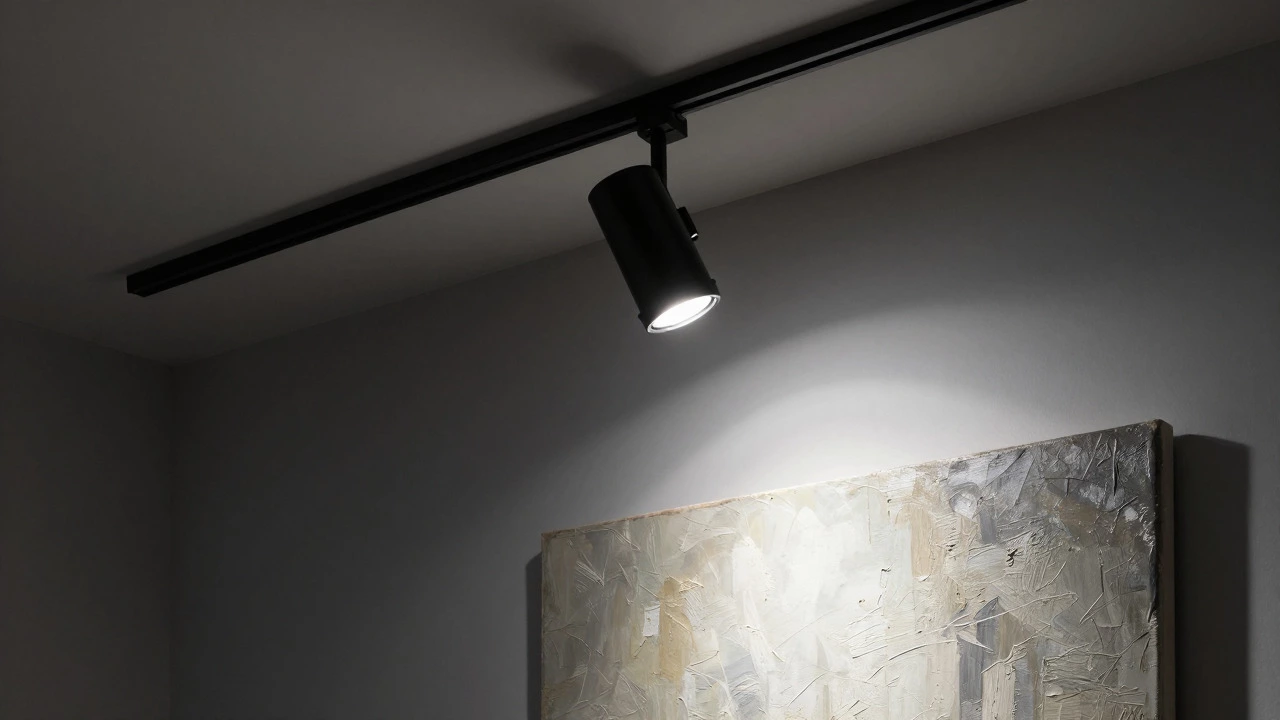
You can have the best art in the world, but if the lighting is bad, the exhibition fails. Lighting is perhaps the most technical aspect of what an exhibition includes. It is not just about making things visible; it is about revealing texture, color accuracy, and depth.
Professional galleries use Gallery Lighting is specialized illumination systems designed to enhance artwork without causing damage from UV rays or heat. This usually means LED fixtures with high Color Rendering Index (CRI) scores. A low CRI makes colors look washed out or unnatural. High CRI ensures that the reds in a Rothko painting look exactly as the artist intended. Furthermore, conservators demand that lighting be free of ultraviolet (UV) and infrared (IR) radiation. UV light fades pigments over time; IR light generates heat that can warp canvas or melt wax in sculptures. So, the lighting rig includes filters and sensors to monitor exposure levels.
Atmosphere also extends to sound and temperature. In a contemporary installation, sound might be part of the art. In a traditional gallery, silence is the norm. The HVAC system must maintain a stable humidity level-usually around 50% relative humidity-to prevent wood frames from cracking or paper works from becoming brittle. These environmental controls are invisible to you, but they are essential components of the exhibition infrastructure.
Interpretive Materials and Labels
Have you ever stood in front of a piece of abstract art and felt completely lost? That’s where the interpretive materials come in. An exhibition includes text that bridges the gap between the viewer and the work. This starts with the wall label.
A standard wall label contains specific data points: the artist’s name, the title of the work, the date of creation, the medium (e.g., oil on canvas), the dimensions, and the credit line (who owns it). But good curators go further. They add a brief description or context. Why did the artist make this? What movement does it belong to? This text is written in plain language, avoiding academic jargon, so that anyone can engage with the piece.
Beyond individual labels, exhibitions include broader interpretive tools:
- Wall Text: Larger panels that explain the overall theme of the room or section. These set the stage before you look at individual pieces.
- Catalogues: Printed books sold at the gift shop. These contain essays by critics, high-resolution images, and biographies. They serve as a permanent record of the exhibition.
- Digital Guides: Many modern exhibitions offer QR codes or app-based tours. These provide audio commentary, videos of the artist at work, or interactive maps. This caters to visitors who prefer listening over reading.
- Educational Workshops: Schools and community groups often participate in guided tours or hands-on activities related to the exhibition themes. This extends the life of the show beyond the gallery walls.
These elements transform the exhibition from a passive display into an active learning environment. They answer the question, "So what?" that viewers inevitably ask themselves.
Marketing, Opening Events, and Public Engagement
An exhibition is not complete until people know it exists. The promotional campaign is a major component. This includes press releases sent to art critics, social media teasers showing behind-the-scenes installation photos, and partnerships with local influencers or cultural organizations. The goal is to build anticipation before the doors even open.
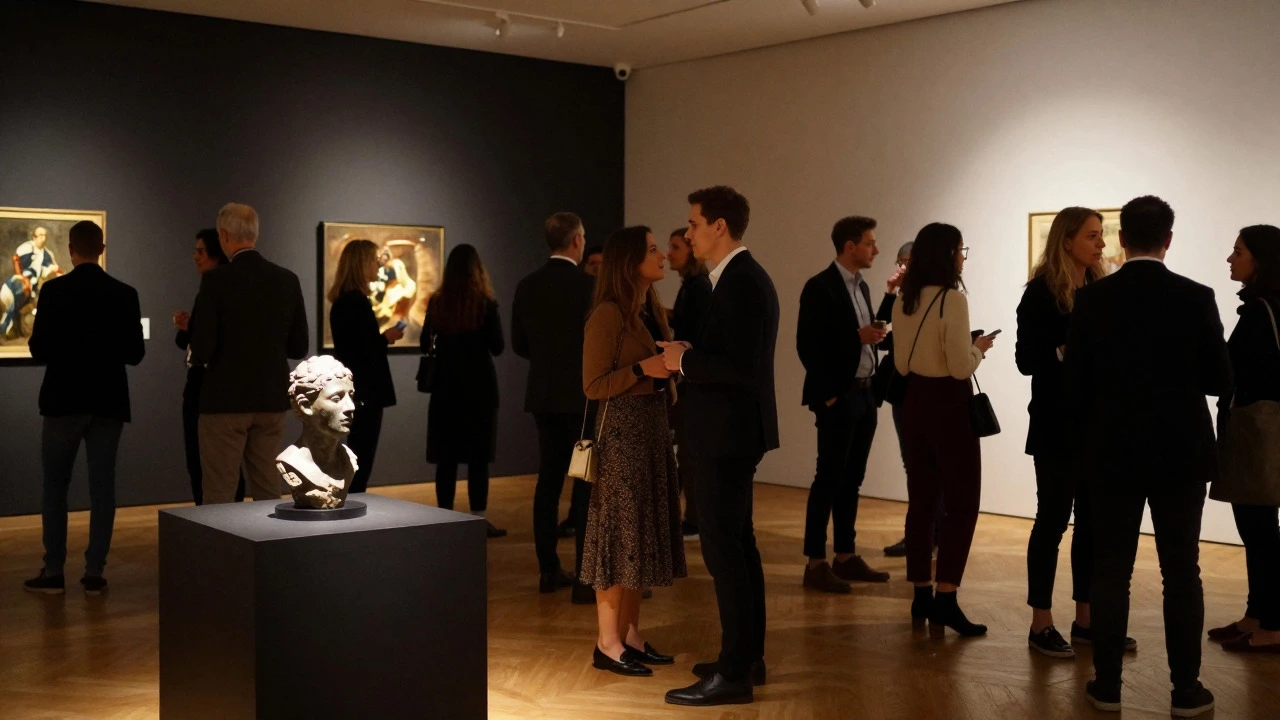
The opening reception is a ritualistic part of the exhibition lifecycle. It is a social event where the artist, curator, donors, and press gather. It serves multiple purposes: it celebrates the launch, provides networking opportunities, and generates initial buzz. Artists often give speeches or perform live during these events. It humanizes the work, allowing visitors to meet the creator and hear their intent directly.
Public engagement continues through the run of the show. Galleries track attendance numbers, collect feedback via comment cards or digital surveys, and monitor social media mentions. This data helps them understand what resonated with the audience and informs future programming. In today’s climate, an exhibition is not a static object; it is a dynamic conversation with the public.
Logistics, Insurance, and Conservation
Behind the glamour lies heavy logistics. What does an exhibition include in terms of risk management? Everything. Every piece of art is insured against theft, fire, water damage, and accidental breakage. The insurance value is based on recent auction results or appraisals. If a $1 million painting gets scratched, the gallery pays out immediately.
Conservation is another key player. Conservators assess the condition of each work before it arrives and again after it leaves. They document any pre-existing damage so there are no disputes later. During the exhibition, they may perform minor cleaning or stabilization. For fragile works, they might limit the duration of the display or restrict lighting intensity. Their job is to ensure the art survives long enough for future generations to see it.
Transportation is equally critical. Art handlers pack works in custom crates lined with foam. They use climate-controlled trucks to move them between cities. A bump in the road can mean disaster, so routes are planned meticulously, avoiding rough roads or extreme weather conditions. This logistical web is invisible to the visitor, but it is the backbone of the entire operation.
Who is responsible for writing the text on art labels?
The text is typically written by the curator or an education specialist working under the curator's direction. They collaborate with the artist to ensure accuracy and tone. The goal is to provide clear, concise information that enhances understanding without overwhelming the viewer.
How much does it cost to mount a small art exhibition?
Costs vary wildly depending on scale. A small gallery show might cost $5,000-$15,000 covering framing, printing, and marketing. A major museum exhibition can cost hundreds of thousands or millions due to insurance, international shipping, and elaborate set design. Grants and sponsorships often offset these expenses.
Can I touch the art in an exhibition?
Generally, no. Oils from human skin can degrade surfaces, and accidental bumps can cause irreversible damage. However, some contemporary installations are specifically designed for interaction. Look for signs indicating "touch allowed" or follow guard instructions. When in doubt, keep your hands to yourself.
What happens if an artwork is damaged during an exhibition?
If damage occurs, the gallery’s insurance policy covers the repair or replacement costs. Conservators assess the harm immediately. The incident is documented thoroughly. In severe cases, the work may be withdrawn from the exhibition temporarily while repairs are made. Preventative measures like barriers and guards are used to minimize this risk.
Why are some rooms in an exhibition darker than others?
Lighting is adjusted based on the sensitivity of the materials. Photographs and watercolors fade quickly under bright light, so they are displayed in dimmer settings. Oil paintings are more resilient and can handle brighter illumination. Additionally, darkness creates intimacy and focus, drawing attention to specific details or moods within the work.