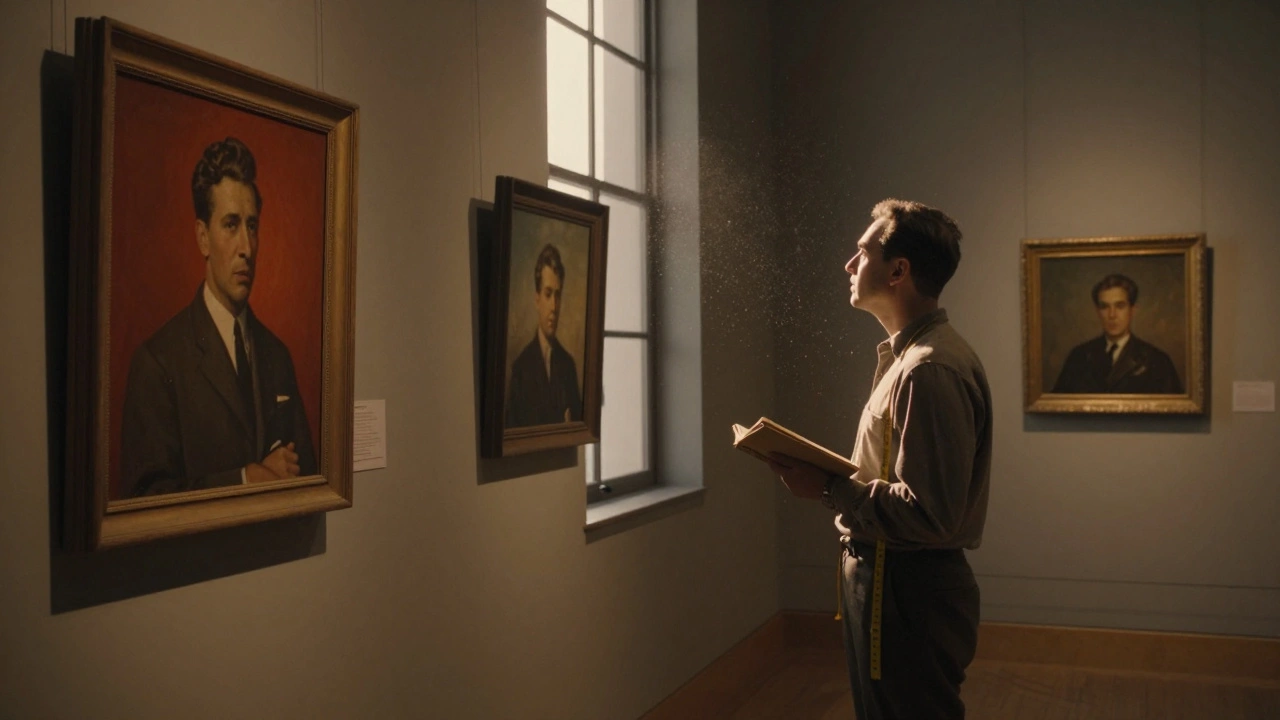
Exhibition Team Builder
Which Team Roles Are Essential?
Ever walked through an art exhibition and wondered how it all came together? The paintings on the walls, the lighting, the wall labels, the way the space feels - it doesn’t just happen by accident. Someone planned every detail. But who actually organises an art exhibition? It’s not one person. It’s a team, each with a different role, working behind the scenes to turn ideas into something you can walk through and feel.
The Curator: The Visionary
The curator is the heart of most art exhibitions. They’re the ones who decide what art gets shown and why. A curator doesn’t just pick pretty pictures. They look for connections - between artists, time periods, themes, or social issues. Maybe they want to explore how women artists were ignored in the 1950s, or how digital tools are changing portraiture today. Their job is to tell a story through objects.
Curators spend months researching, visiting studios, talking to artists, and negotiating loans from private collectors or other museums. They write the exhibition text, choose the order of the works, and even decide how far apart paintings should be hung. A good curator makes you see art differently. You don’t just look at a painting - you start thinking about the world around it.
The Gallery or Museum Director: The Boss
While the curator shapes the idea, the director makes sure it’s possible. They handle budgets, staffing, and institutional goals. A museum director doesn’t care if a show is brilliant if it costs more than the institution can afford. They need to know how much it will cost to ship fragile sculptures from Europe, how many security guards are needed, and whether the gallery has the right climate control for delicate paper works.
DIRECTORS also think about audiences. Will this exhibition draw in new visitors? Will it help the museum meet its educational goals? They work with marketing teams, board members, and donors. Sometimes, a show gets approved because a major donor wants to support a specific artist. Other times, it’s because the director believes the museum has a responsibility to highlight underrepresented voices.
The Exhibition Designer: The Architect of Space
Even the best art can feel lost in a bad space. That’s where the exhibition designer comes in. They’re the ones who figure out how to turn an empty room into an experience. Do you want visitors to move slowly through the space, stopping to study each piece? Or should they feel swept along by a powerful flow of energy?
Exhibition designers choose the wall colors, the lighting, the height of pedestals, and even the type of flooring. They plan where to put benches, where to place audio guides, and how to handle crowds. A poorly designed show can make a masterpiece look dull. A great one can make a simple sketch feel monumental. They work closely with curators to make sure the physical space supports the story being told.

The Registrar: The Keeper of Records
Think of the registrar as the art’s personal assistant. Every piece in an exhibition has a paper trail - where it came from, who owns it, its condition, how it was transported, and where it’s going next. The registrar manages all of that. They handle insurance paperwork, condition reports, customs forms, and shipping logistics.
If a painting is loaned from a private collector in London, the registrar makes sure it’s packed in a climate-controlled crate, insured for its full value, and tracked from door to door. They also document any damage that happens during transport or installation. One small scratch on a 19th-century watercolor could mean legal trouble. Registrars are detail-oriented, calm under pressure, and rarely get public credit - but without them, nothing moves safely.
The Conservator: The Art Doctor
Art isn’t just displayed - it’s protected. Conservators are trained scientists and artists who make sure artworks survive the exhibition. They check for fading, mold, insect damage, or structural weakness. A 1920s oil painting might need special lighting to prevent its pigments from turning yellow. A textile piece might require humidity control to stop fibers from breaking.
Conservators don’t restore art to look “new.” They preserve its history. That means leaving brushstrokes, cracks, and even old repairs visible. They work with curators to decide which pieces are too fragile to hang, and sometimes recommend digital replicas for display instead. Their work is quiet, but essential. Without them, many artworks wouldn’t survive a single show.
The Installation Team: The Hands That Hang the Art
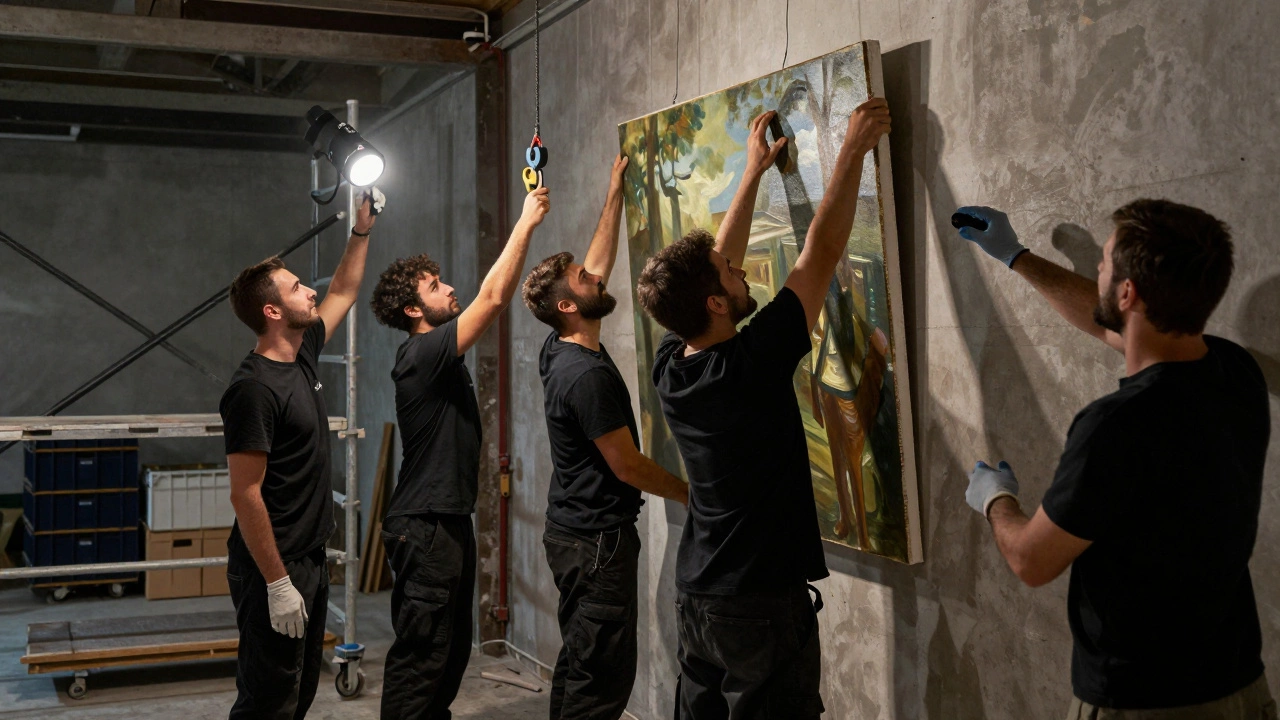
Someone has to actually put the art on the walls. That’s the installation team - often a mix of museum staff, freelance art handlers, and specialized riggers. They move heavy sculptures, hang large canvases, install video projections, and set up interactive displays.
It’s physical work. One canvas might weigh 150 pounds. A glass sculpture might need a custom mount to avoid stress on its base. They work with laser levels, scaffolding, and sometimes cranes. One wrong move can ruin years of work. They follow the curator’s layout exactly, down to the millimeter. No one notices them unless something goes wrong - and then everyone blames them.
The Educator and Public Programs Team: Making It Stick
An exhibition isn’t just about looking. It’s about understanding. That’s where educators come in. They design tours for school groups, write handouts, lead artist talks, and organize workshops. They might create a family activity where kids build their own mini-exhibition, or host a panel discussion with contemporary artists responding to historical pieces.
These teams make sure the show reaches beyond art lovers. They connect with community groups, seniors, non-English speakers, and people with disabilities. A great exhibition doesn’t just fill a gallery - it changes how people think.
The Fundraiser and Marketing Team: Getting People In the Door
Even the most brilliant show won’t matter if no one sees it. Fundraisers secure sponsorships from corporations, foundations, and private donors. Marketing teams design posters, run social media campaigns, and coordinate press releases. They might partner with local cafes to display exhibition postcards, or create a TikTok series showing behind-the-scenes prep.
They track attendance, analyze who’s coming, and adjust messaging. Maybe the show is drawing older audiences but not younger ones - so they tweak the Instagram ads to highlight the digital art component. Their job is to make sure the exhibition doesn’t vanish into silence after opening night.
Who’s Really in Charge?
No single person runs an art exhibition. It’s a chain of experts, each doing their part. The curator sets the vision. The director makes it financially possible. The designer shapes the space. The registrar keeps the art safe. The conservator preserves its life. The installers hang it. The educators teach about it. The marketers bring people in.
And yet - most visitors never hear their names. They see the art. They feel the emotion. They walk away thinking, “This was powerful.” But they don’t know who made that possible.
Next time you’re at an exhibition, take a moment to look at the wall labels. Sometimes, you’ll see “Curated by” or “Organised by.” That’s your clue. Behind every great show is a team of people who cared enough to make sure the art was seen - the right way, in the right place, at the right time.