Find Your Artistic Title
Not sure what to call yourself? Answer these three questions to find a title that aligns with your work, market positioning, and audience expectations.
Recommended Title:
--
Why this title?
--
You pick up a camera, or maybe you grab a brush. You spend hours arranging light on a subject or mixing pigments until they match the sunset you saw last Tuesday. But when someone asks, "So, what do you actually do?" you hesitate. Are you an artist? A creator? A technician? The term fine arts carries weight, history, and a certain prestige that makes choosing the right label feel surprisingly high-stakes.
The short answer is simple: you are an artist. But in the professional world, especially if you work in mediums like fine art photography, painting, or sculpture, the title often shifts depending on context, medium, and intent. Let’s break down exactly what these terms mean, why they matter for your career, and how to use them without sounding pretentious or vague.
The Core Definition: Artist vs. Artisan
At its most basic level, a person who practices fine arts is called an artist. This definition comes from the Latin ars, meaning skill or craft. However, society draws a sharp line between an artisan and an artist.
- Artist: Creates work primarily for aesthetic value, emotional impact, or intellectual concept. The process is often experimental, unique, and non-repetitive. Think of a painter creating a one-of-a-kind canvas or a photographer staging a complex conceptual shoot.
- Artisan/Craftsperson: Creates functional objects with artistic flair. A potter making mugs or a jeweler setting stones falls here. Their work has utility first, beauty second.
If you are working in fine art photography, you are firmly in the artist category because your goal is expression, not just documentation. You aren’t just capturing data; you’re interpreting reality. That distinction is crucial for pricing your work. Clients pay artisans for time and materials; they pay artists for vision and exclusivity.
Medium-Specific Titles: Precision Matters
While "artist" is the umbrella term, it can be too broad for marketing. If you tell a gallery owner you’re an "artist," they’ll ask, "Doing what?" Being specific helps you get hired. Here is how professionals label themselves based on their primary medium.
| Medium | Standard Title | Niche/Specialized Title |
|---|---|---|
| Fine Art Photography | Photographer | Visual Artist, Photo-Artist |
| Painting (Oil/Acrylic) | Painter | Studio Artist, Muralist |
| Sculpture | Sculptor | Installation Artist |
| Drawing/Illustration | Illustrator | Concept Artist, Draftsman |
| Mixed Media | Multi-disciplinary Artist | Contemporary Artist |
Notice the nuance with photography. A wedding photographer captures memories. A fine art photographer creates collectible pieces. Using the term "Visual Artist" signals that your photography belongs on a wall in a living room or a museum, not just in a family album. It changes the perceived value of the print from $50 to $500.
Why "Fine Art" Is a Loaded Term
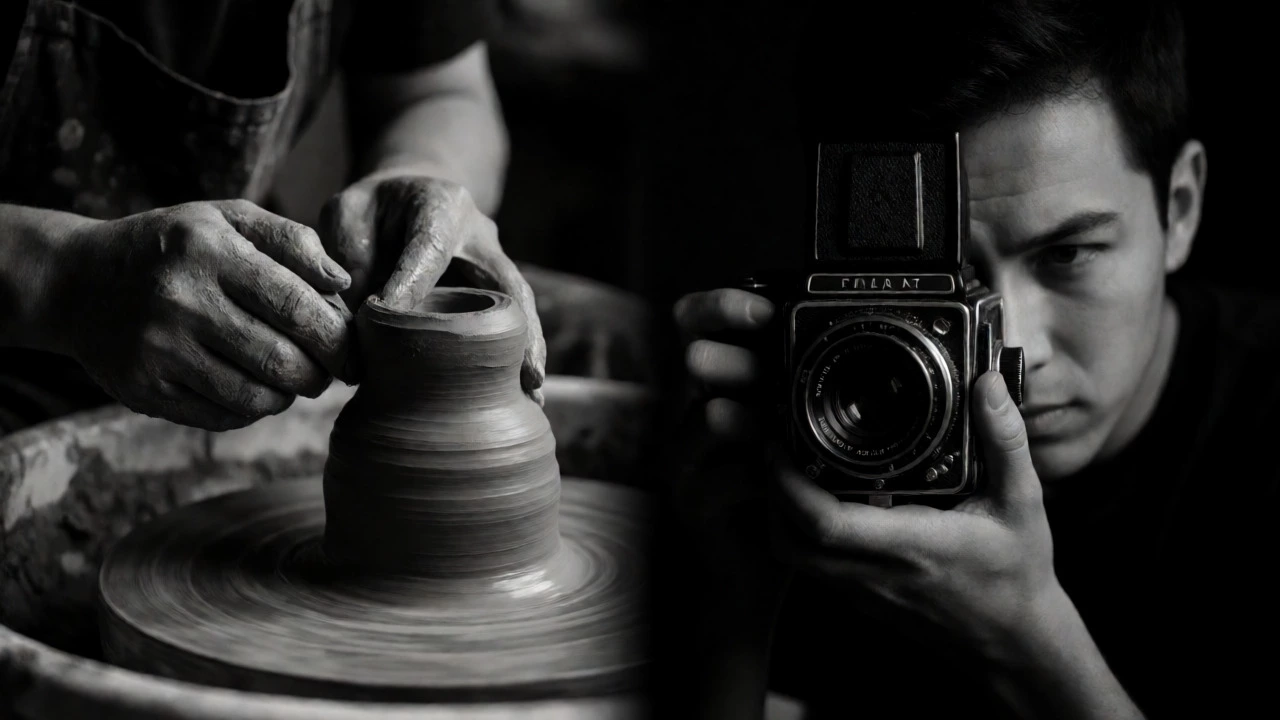
The phrase fine arts historically referred to disciplines developed primarily for aesthetics rather than utility. In the Renaissance, this meant painting, sculpture, architecture, music, and poetry. Today, the boundaries are blurrier, but the hierarchy remains.
When you call yourself a practitioner of fine arts, you are claiming membership in a tradition that values individual expression over commercial service. This matters for two reasons:
- Academic Credibility: If you have a degree, using formal titles like "BFA graduate" or "MFA candidate" validates your training. Institutions respect the lineage of fine arts.
- Market Positioning: Galleries dealing in fine art expect limited editions, certificates of authenticity, and a coherent body of work. If you market yourself as a "commercial photographer" but sell prints in galleries, you confuse the buyer. Align your title with your sales channel.
Don’t fall into the trap of thinking "fine art" means "better." It just means "different purpose." A graphic designer solving a logo problem is doing vital work. You are exploring human emotion through light and shadow. Both are valuable; they just speak different languages.
The Rise of the Hybrid Creator
We live in 2026. The lines between digital and physical, commercial and fine, are dissolving. Many people who practice fine arts also teach, consult, or create content. So, what do you call yourself then?
Terms like "Creative Entrepreneur" or "Independent Visual Artist" are gaining traction. These labels acknowledge that you wear multiple hats. You might spend mornings editing photos in Lightroom, afternoons teaching a workshop, and evenings networking at gallery openings. Calling yourself just a "photographer" undersells your business acumen. Calling yourself just a "teacher" ignores your portfolio.
Consider your audience. When pitching to a corporate client for a commissioned piece, "Visual Artist" sounds sophisticated. When talking to fellow creators online, "Maker" or "Creator" feels more community-driven. There is no single correct answer, only the most effective answer for the situation.
Pitfalls to Avoid in Naming Yourself
Language shapes perception. Here are common mistakes I see in Vancouver’s art scene and beyond:
- Over-complicating: "Multidisciplinary Transmedia Narrative Sculptor" means nothing to a potential buyer. Keep it clear. "Sculptor" or "Installation Artist" works fine.
- Under-selling: Don’t say "I take pictures" if you make fine art photography. Say "I create photographic artworks." The verb choice matters.
- Ignoring the 'Who': Sometimes the best title describes your focus. "Landscape Photographer" or "Portrait Artist" immediately tells people what you offer. Specificity builds trust.
Remember, your title is a promise. If you call yourself a "Fine Art Painter," buyers expect technical mastery and conceptual depth. If you call yourself a "Hobbyist," they expect casual quality. Choose the label that matches the experience you deliver.
How to Decide Your Official Title
If you’re stuck, try this three-step test:
- The Mirror Test: Look at your portfolio. Does it look like something hanging in a museum (fine art) or a magazine ad (commercial)? Museum = Artist. Ad = Designer/Photographer.
- The Price Test: What are you charging? If you charge per hour, you’re likely a service provider. If you charge per piece or edition, you’re selling art. Adjust your title to reflect the asset you’re selling.
- The Audience Test: Who buys your work? Collectors want "Artist." Corporations want "Visual Specialist." Tailor your LinkedIn headline accordingly.
Ultimately, the person who does fine arts is an artist. Everything else is detail. Own that word. It implies creativity, discipline, and a commitment to beauty. Whether you’re holding a brush or a lens, you’re shaping how people see the world. That’s a powerful job title.
Is a photographer considered a fine artist?
Yes, but only if the photography is created for aesthetic or conceptual purposes rather than purely documentary or commercial ones. Fine art photography focuses on the photographer's personal vision and is often sold as limited-edition prints for display.
What is the difference between an artist and a designer?
An artist typically creates work for self-expression or aesthetic exploration, often with fewer constraints. A designer solves specific problems for clients within strict guidelines (like branding or usability). While skills overlap, the intent differs: art asks questions; design provides answers.
Can I call myself an artist without a degree?
Absolutely. The title "artist" is defined by practice and output, not academic credentials. Many renowned figures in fine arts were self-taught. Your portfolio and consistency matter far more than a diploma in establishing your credibility.
Why should I specify "fine art" in my title?
Specifying "fine art" distinguishes your work from commercial services. It signals to buyers that your work is intended for collection and display, which often commands higher prices and attracts a different type of client than general commercial photography or illustration.
What do you call someone who does mixed media?
Common titles include "Mixed Media Artist," "Multi-disciplinary Artist," or simply "Contemporary Artist." These terms indicate that the creator uses various materials (paint, fabric, found objects) in a single piece, emphasizing versatility and innovation in traditional fine arts techniques.