Art Trend Alignment Calculator
Discover how your artwork aligns with the most in-demand contemporary art trends of 2025. Based on data from major galleries worldwide, this tool evaluates your piece against current market priorities.
Artwork Details
Concept Evaluation
Market Alignment
Your Art Trend Score
Your work aligns strongly with the identity-focused trend that's dominating global exhibitions, with 95% market relevance. This category is currently seeing 40% faster sales than other categories.
Tip: Add elements from the climate focus trend to increase market appeal by 15% - consider using recycled materials or environmental narratives to strengthen your work's relevance.
Right now, the art world isn’t just showing paintings on white walls-it’s asking questions about climate, identity, and technology. If you’ve walked through a major gallery in New York, Berlin, or even Vancouver lately, you’ve probably noticed something different. The art that gets attention, sells, and gets written about isn’t the same as it was five years ago. So what’s actually in demand? It’s not just about style. It’s about meaning, context, and how the work connects to the world we’re living in today.
Climate-focused art is pulling in crowds
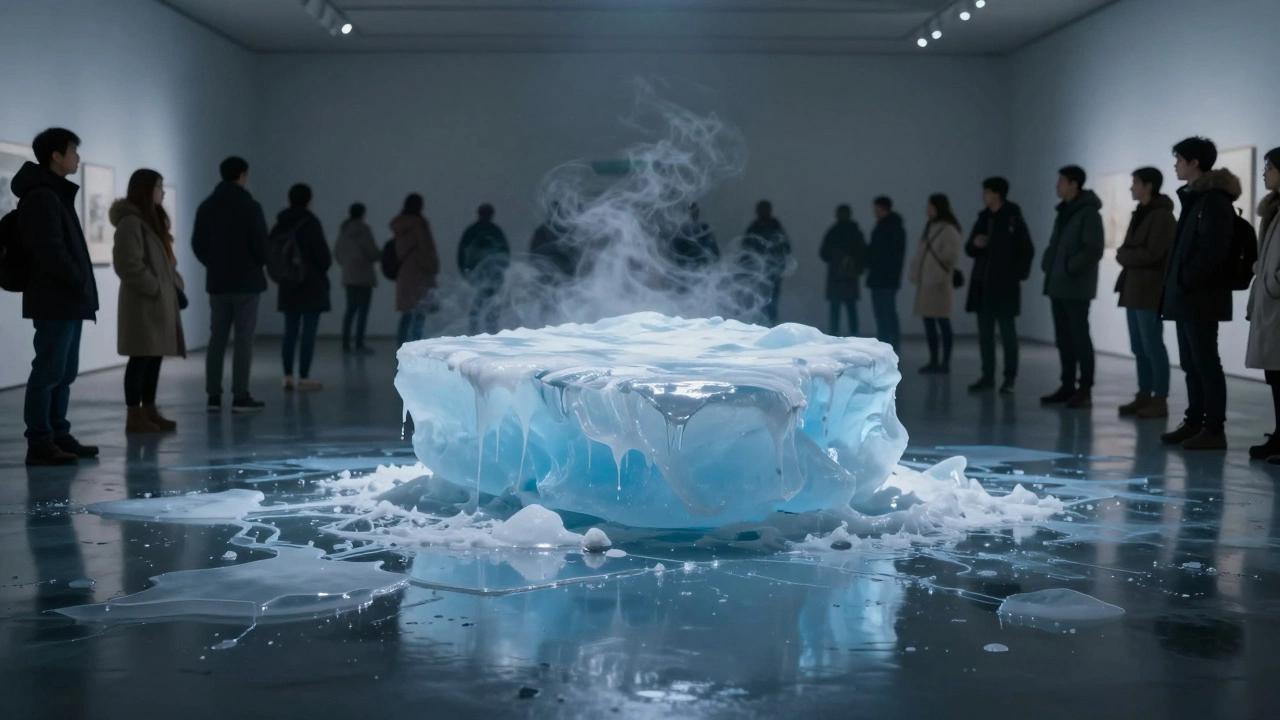
Art about the environment isn’t new, but in 2025, it’s the most talked-about theme in exhibitions. Artists aren’t just painting melting glaciers-they’re using real ice, recycled plastics, and soil from endangered ecosystems as their medium. At the Vancouver Art Gallery’s recent show, a piece made from frozen Arctic water slowly melted over three weeks, leaving behind a map of lost glaciers on the floor. Visitors didn’t just look at it-they stood in silence as it changed before their eyes.
Gallery owners say pieces with environmental themes now sell 40% faster than others. Collectors aren’t just buying for decoration. They’re buying because they want to be part of the conversation. A single work by Canadian artist Tanya Tagaq, which combines sound, video, and reclaimed whalebone, sold for $210,000 at a Toronto auction last month. It wasn’t the materials that made it valuable-it was the urgency in the message.
Art that explores identity is everywhere
Exhibitions this year are filled with work that asks: Who are we? Who gets to be seen? Who gets to tell their story?
Indigenous artists from North America, Australia, and the Pacific Islands are dominating major shows. Their work blends traditional techniques-like beadwork, weaving, and carving-with contemporary forms like projection mapping and augmented reality. At the Whitney Biennial, a piece by Haida artist James Hart used carved cedar panels that, when viewed through a phone app, revealed ancestral stories spoken in Haida language. People lined up for 45 minutes just to experience it.
Similarly, work by LGBTQ+ artists, especially from regions where queer expression is still criminalized, is gaining global attention. A series of self-portraits by a Nigerian artist using fabric dyed with plant pigments became a viral sensation after being shown at Documenta in Kassel. The artist didn’t show their face-only their hands, holding objects tied to their personal history. That’s the kind of art that makes people pause. And galleries notice.
Digital art isn’t just NFTs anymore
Remember when digital art meant pixelated memes and crypto-backed NFTs? That phase is over. In 2025, digital art is about immersion. Think large-scale projections, interactive installations, and AI-generated visuals that respond to your movement or voice.
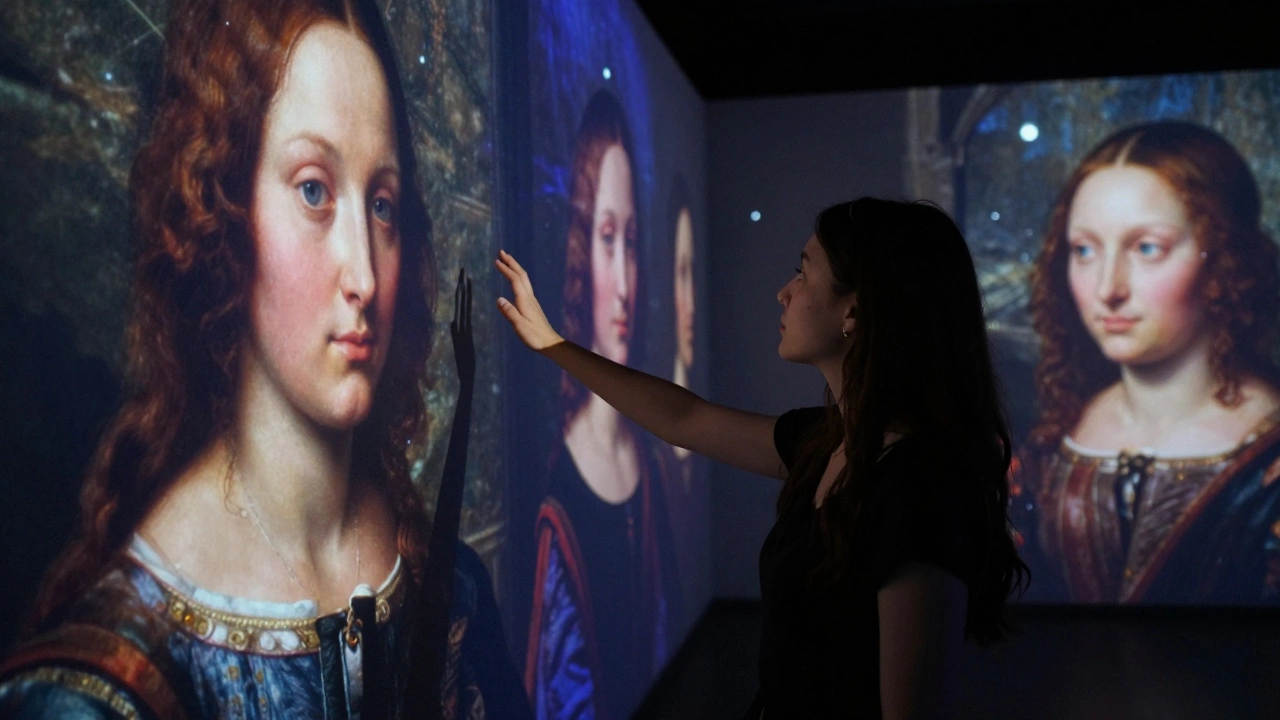
The Museum of Contemporary Art in Los Angeles just opened a show called “Breathing Code,” where visitors walk through a room where AI analyzes their facial expressions and alters the color and rhythm of the projections around them. No screens. No headsets. Just light, sound, and emotion. Attendance jumped 67% compared to last year’s digital exhibit.
Artists are also using AI not as a tool to replace creativity, but to extend it. A Berlin-based collective created a series of portraits using AI trained on centuries of portraiture-but then hand-painted over the results with ink and gold leaf. The final pieces look like Renaissance paintings, but the eyes are subtly wrong-too sharp, too knowing. People call them “ghosts of the past watching the present.”
Handmade craft is making a comeback-with a twist
While digital art explodes, something surprising is happening: handmade work is gaining value. But not the kind you’d find at a craft fair. This is craft with a political edge.
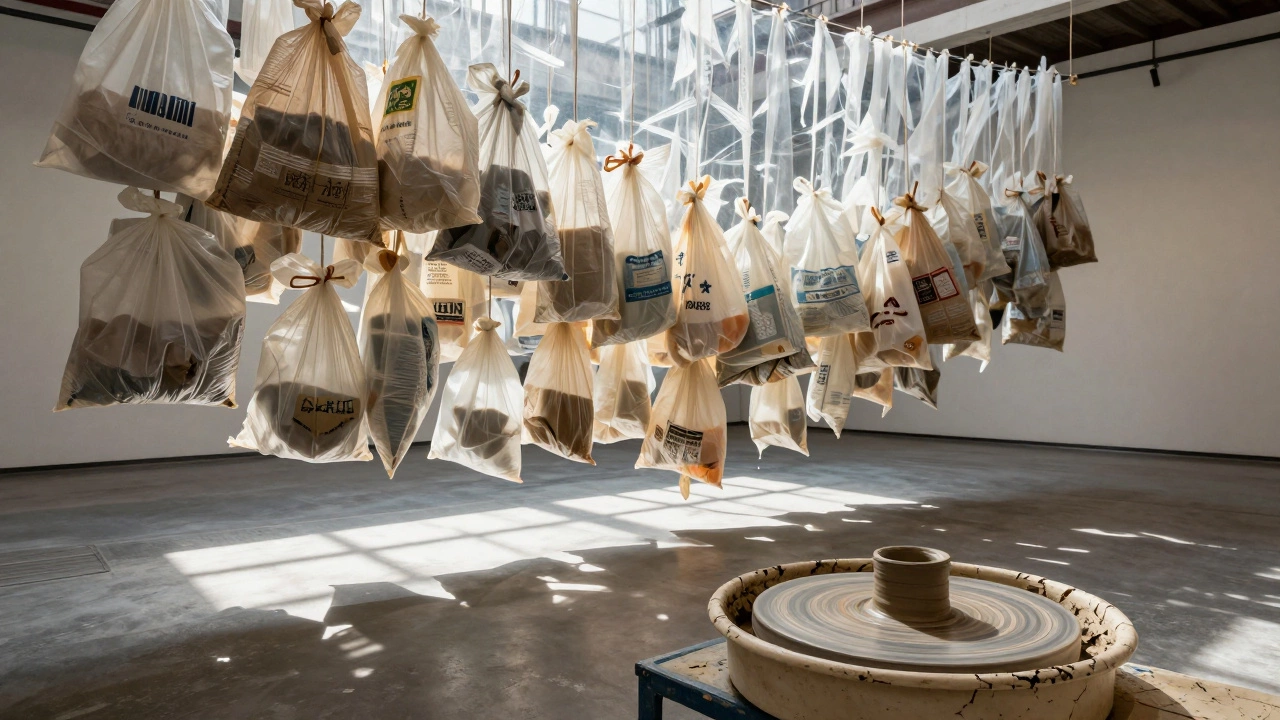
Textile artists are stitching protest slogans into quilts made from old clothing. Potters are using clay sourced from land affected by mining and firing it in kilns powered by solar panels. In Chicago, an artist spent six months collecting discarded plastic bags from city streets, braided them into ropes, and wove them into giant tapestries that hang from gallery ceilings like suspended storms.
These pieces aren’t just beautiful-they’re documents. They carry the weight of everyday life, waste, labor, and resilience. Collectors are paying more for them because they feel real. One gallery owner told me, “People are tired of things that feel disposable. They want art that feels like it has a history.”
Art that makes you uncomfortable is the most sought-after
Let’s be honest: most people don’t go to galleries to feel uneasy. But the art that gets noticed, written about, and bought? It often does exactly that.
A piece at the Tate Modern this year featured a room filled with the sound of crying children-recorded from refugee camps-played through hidden speakers while visitors stood on a floor made of crushed glass. No visuals. Just sound and texture. Critics called it “harrowing.” Visitors called it unforgettable. It was the most visited exhibit of the year.
Artists are no longer trying to please. They’re trying to provoke. And galleries are responding. Curators are prioritizing work that challenges norms around race, gender, power, and privilege. The art that sells now isn’t the prettiest. It’s the most honest.
What doesn’t sell anymore?
It’s not that traditional styles have disappeared. Oil paintings of landscapes still hang in homes. Abstract expressionism still has fans. But they’re no longer driving the conversation.
Generic portraits-especially those with soft lighting and neutral backgrounds-are losing ground. Same with decorative abstracts that look like expensive wallpaper. Even high-end sculpture, unless it’s tied to a strong narrative or material innovation, is struggling to stand out.
One dealer in Miami told me he turned down three offers for a $150,000 abstract canvas last month. “It was technically flawless,” he said. “But it didn’t say anything. People don’t want to buy silence anymore.”
Where to see this art in 2025
If you want to experience what’s truly in demand, don’t just go to the big museums. Look for smaller galleries, artist collectives, and pop-up shows. Some of the most powerful work is happening outside the traditional system.
- Biennales: Venice, Sydney, and the upcoming Havana Biennial are showcasing more climate and identity-based work than ever.
- Artist-run spaces: In cities like Toronto, Berlin, and Cape Town, collectives are turning warehouses and abandoned stores into experimental venues.
- Public installations: Cities are commissioning art that engages with local history-like murals that map displaced communities or light sculptures that respond to air quality data.
And if you’re curious about what’s next? Start following artists who work with biodegradable materials, use AI to reconstruct lost languages, or create art from data collected by community members. These aren’t trends-they’re the new foundation of contemporary art.
Is digital art still valuable in 2025?
Yes-but not as NFTs. Digital art is valuable when it’s experienced physically: through immersive projections, interactive installations, or AI-driven environments that respond to the viewer. The value comes from the experience, not the file.
What type of art sells the most right now?
Art that connects to urgent global issues-climate change, identity, displacement, and technology-sells best. Works that use unconventional materials, tell personal stories, or make viewers feel something uncomfortable are in highest demand.
Are traditional paintings still relevant?
Only if they bring something new. A traditional oil portrait of a wealthy person won’t stand out. But a portrait painted with pigments made from soil from a war-torn region, or one that includes hidden QR codes linking to the subject’s personal testimony? That’s powerful.
Should I collect art for investment or personal meaning?
Buy for meaning. The art market in 2025 rewards pieces with cultural weight, not just aesthetic appeal. Art that speaks to a moment in time-like climate crisis or social justice-tends to appreciate because it becomes a historical record, not just a decoration.
How can I find this kind of art if I’m not in a big city?
Start with online platforms like Artsy or Artland, but filter for shows tagged “climate,” “identity,” or “immersive.” Follow small galleries on Instagram-they often post videos of installations. Many artists now host virtual walkthroughs. You don’t need to be in New York to feel the impact.
What’s next?
The art that will be in demand five years from now is already being made-in basements, studios, and remote villages. Artists are experimenting with fungi-based dyes, AI trained on Indigenous oral histories, and sculptures that grow over time like living organisms. The next big movement won’t come from a gallery opening. It’ll come from someone asking: “What if art didn’t just show the world-but changed it?”