Watercolor Physics Simulator
Experience the "unpredictable magic" described in the article. Paint with virtual watercolors to see how transparency relies on the paper's white reflection, unlike opaque acrylics or oils.
Observation Log
Select a medium and start painting. Notice how watercolor lets the white paper shine through. Switch to Acrylic to see it cover previous layers completely.
You might think you know how paint works. You squeeze a tube, mix it with a brush, and slap it on a canvas. But watercolor is a transparent painting medium that relies on the white of the paper to reflect light through suspended pigment particles. It behaves less like a controlled tool and more like a living organism. The most interesting fact about this medium isn't just that it's hard to master; it's that its core mechanism-transparency-is physically impossible to fake once you understand the optics behind it.
Most people assume artists start dark and get lighter, or vice versa. In oil or acrylic, you can cover mistakes with thick layers. In watercolor, you cannot. If you put a dark spot on white paper, it stays there forever unless you scrub it out (and even then, it leaves a ghost). This constraint creates a specific type of beauty that has fascinated humans for centuries. Let’s break down why this medium is so uniquely fascinating, from its chemical roots to its historical quirks.
The Optical Illusion of Transparency
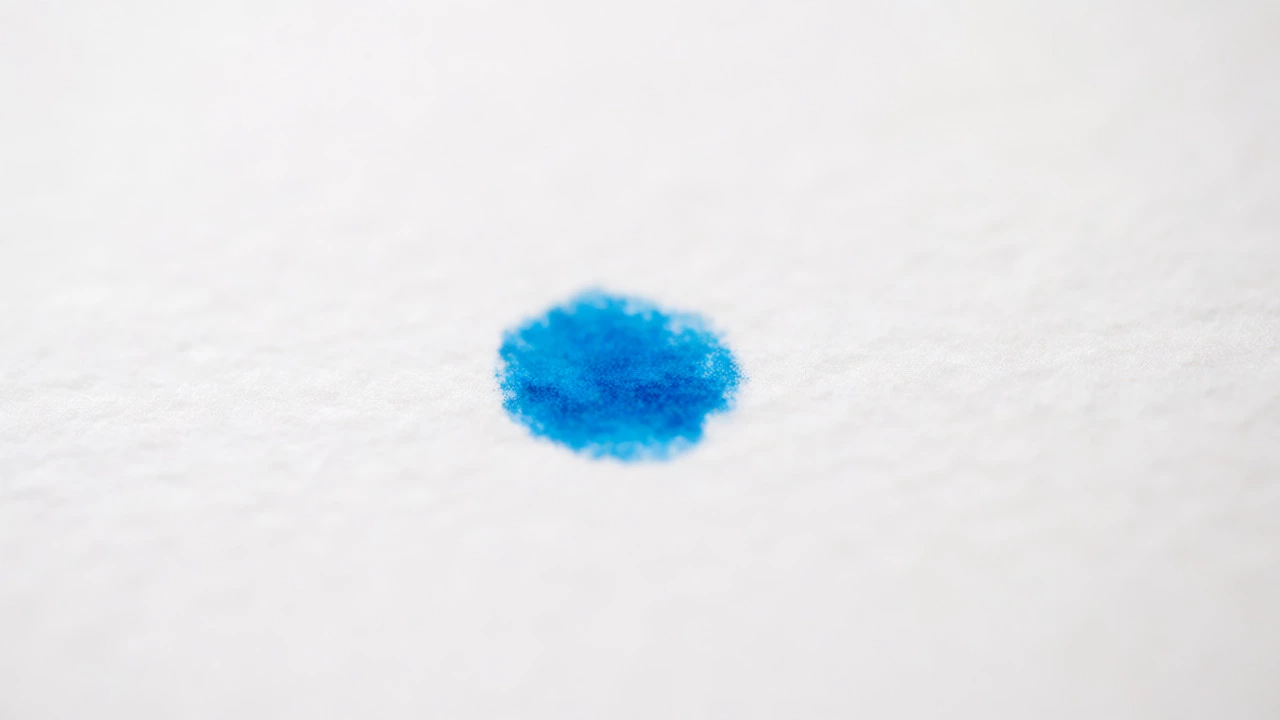
Here is the science bit that changes everything. When you look at an oil painting, you are seeing light bounce off opaque pigment sitting on top of the canvas. With watercolor, you are looking at light traveling *through* the paint, hitting the paper fibers, and bouncing back to your eye. The paper itself is part of the artwork. If the paper is yellowed, the painting looks old. If the paper is bright white, the colors pop.
This reliance on reflection means watercolorists must plan their "whites" before they even touch the brush to paper. You don't add white paint to make things bright; you leave the paper bare. This requires a mental shift that trips up beginners constantly. You aren't building up color; you are revealing it. This is why high-quality cotton rag paper is critical-it acts as the light source for the entire piece.
Wet-on-Wet: Controlled Chaos
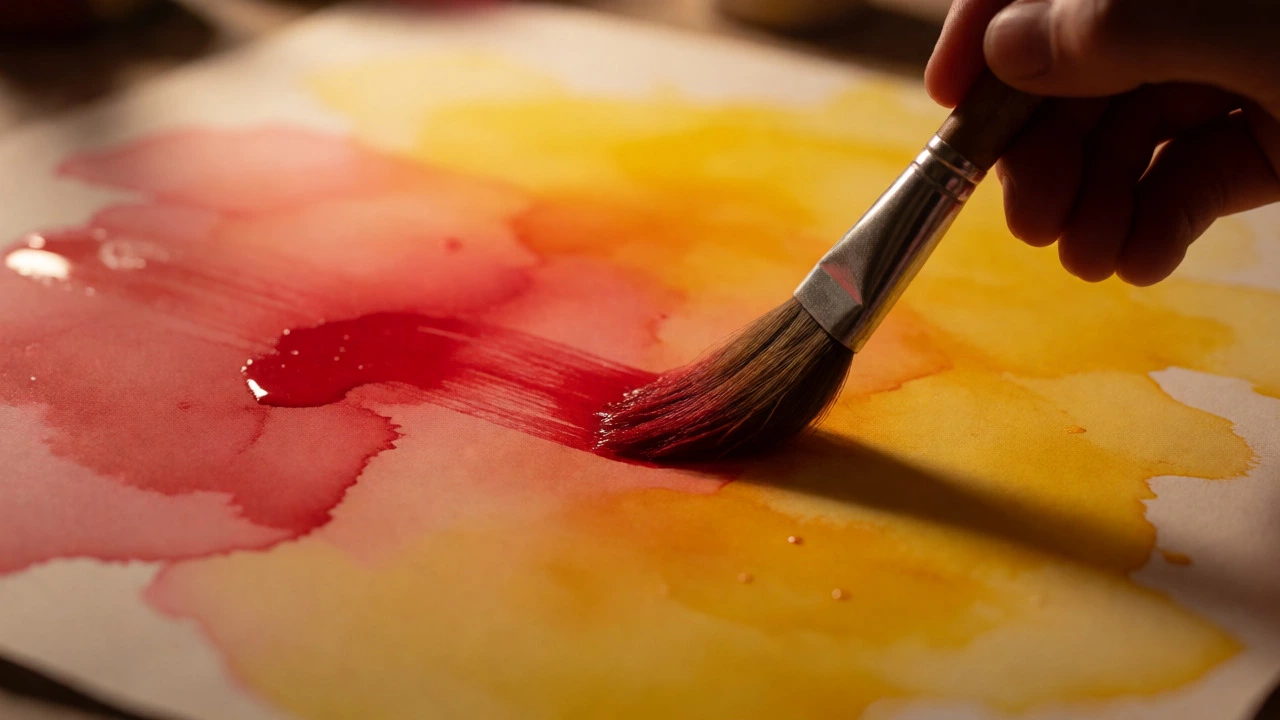
If you want to see magic happen, try the wet-on-wet technique, where you apply wet paint onto already damp paper. The pigment doesn't stay where you put it. It blooms. It spreads. It mixes in unpredictable ways because the water carries the pigment molecules along the paper fibers via capillary action.
This isn't just messy; it's physics. The water moves faster than the pigment, creating soft edges and organic gradients that are nearly impossible to replicate digitally or with other traditional media without heavy editing. Artists like John Singer Sargent mastered this to create skies that looked alive. He didn't paint every cloud; he let the water do the work. The interesting fact here? You can guide the chaos, but you can never fully control it. That surrender to the medium is what gives watercolor its soul.
A History Written in Ink and Wash
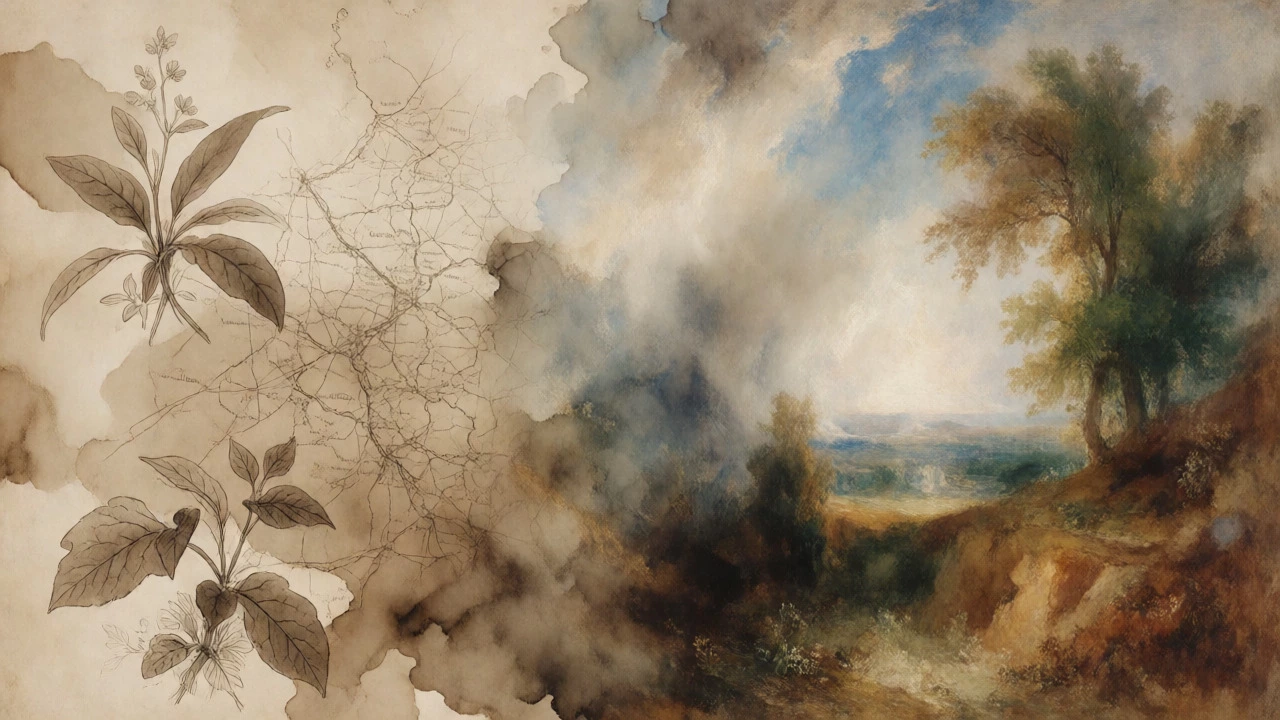
While we associate watercolor with delicate flowers and landscapes today, its origins were far more utilitarian. Before it became a fine art staple in Europe during the 18th century, it was used for botanical illustrations and military maps. Why? Because it dried fast, was portable, and didn't crack like oils did in cold weather.
In East Asia, specifically China and Japan, ink wash painting (sumi-e) developed independently thousands of years earlier. They used similar principles-black ink diluted with water-but focused on calligraphy and minimalism rather than realistic representation. The Western adoption of these techniques led to the Romantic era's fascination with light and atmosphere. Turner, for instance, pushed watercolor to its limits, using it to capture the fleeting nature of sunlight in ways oils couldn't match.
The Pigment Problem
Not all paints are created equal. A tube of cheap student-grade watercolor often uses fillers like chalk or dextrose to bulk up the pigment. This makes the paint muddy when mixed. Artist-grade tubes use pure pigment bound with gum arabic. The difference is stark. Pure pigments have higher tinting strength and better lightfastness.
Lightfastness is a fancy term for "how long until it fades." Some vibrant reds and purples are fugitive-they disappear under sunlight within months. Others, like ultramarine blue or burnt sienna, last for centuries. Knowing which pigments will survive time is half the battle. If you buy a set labeled "non-fugitive," you're ensuring your grandkids can still enjoy your landscape sketches.
Common Pitfalls and Pro Tips
Since watercolor is unforgiving, errors are permanent. Here is how pros handle them:
- Granulation: Some pigments settle into paper texture rather than staining evenly. This creates a speckled effect. Use it intentionally for rocks or bark; avoid it for smooth skin tones.
- Backruns: Also known as "cauliflower," these happen when you drop wet paint into a semi-dry area. The new water pushes the older pigment to the edges, creating hard lines. Embrace them for abstract effects, but avoid them in detailed portraits.
- Overworking: Rubbing the paper too much breaks the sizing (the glue layer on the paper). Once the sizing is broken, the paper becomes absorbent sponge, and colors turn gray and dull.
Why Watercolor Still Matters Today
In a world of digital perfection, watercolor offers something rare: authenticity. Every stroke shows the artist's hand, hesitation, and confidence. There is no undo button. This pressure forces decisiveness. Many digital artists now study watercolor simulation not just for the look, but to learn how to commit to marks. The medium teaches you to accept imperfection as part of the aesthetic.
| Feature | Watercolor | Acrylic | Oil |
|---|---|---|---|
| Drying Time | Minutes | 10-30 Minutes | Days to Weeks |
| Reversibility | Low (Hard to erase) | Medium (Can scrape when dry) | High (Solvents available) |
| Portability | High (No solvents needed) | Medium | Low (Smell/cleanup) |
| Transparency | High (Uses paper white) | Variable (Opaque or Transparent) | Variable (Glazing possible) |
Can you fix mistakes in watercolor?
Yes, but only if caught early. While the paint is wet, you can lift it with a clean, thirsty brush or a tissue. Once dry, lifting becomes difficult and may damage the paper surface. Scrubbing with a stiff brush can remove some stain, but rarely restores pure white.
Do I need special brushes for watercolor?
You need brushes that hold water well. Natural hair brushes (like sable or squirrel) hold large amounts of liquid, allowing for long, continuous strokes. Synthetic brushes have improved significantly and are excellent for beginners, though they may release water faster.
Why does my watercolor look muddy?
Muddiness usually comes from over-mixing complementary colors (colors opposite each other on the wheel) or using dirty water. Changing your rinse water frequently and letting layers dry completely before adding new ones prevents this issue.
Is watercolor cheaper than oil painting?
Generally, yes. Initial setup costs are lower because you don't need easels, solvents, or expensive canvases. However, high-quality cotton paper and artist-grade pigments can add up over time, especially since mistakes require starting over on fresh sheets.
How long do watercolor paintings last?
If made with lightfast pigments and stored away from direct sunlight, watercolors can last hundreds of years. Museums display 19th-century watercolors that remain vibrant. The key factors are archival paper and proper framing with UV-protective glass.