Watercolor Sketching Strategy Finder
What are you planning to paint?
Select your subject matter to get a personalized recommendation for your sketching approach.
Landscape
Nature, skies, forestsPortrait
Faces, figures, peopleArchitecture
Buildings, structuresAbstract
Non-representational formsFloral
Plants, flowers, botanicalRecommended Method
Method TypeWhy this works:
Key Technique:
Step-by-Step Approach:
Tools You'll Need:
There is a specific kind of anxiety that hits when you stare at a blank sheet of cold-press paper. You have your brushes loaded with pigment, your palette ready, but the question remains: do you draw it first? For beginners, the instinct is almost always to grab a pencil and map out every leaf, window, and shadow. It feels safe. It feels controlled. But for seasoned artists, that initial graphite line can sometimes be the very thing that ruins the fluid magic of the medium.
The short answer is: it depends entirely on what you are trying to achieve. There is no single rule in art, only tools for different outcomes. Some painters swear by loose, gestural sketches. Others paint directly onto dry or wet paper, letting the colors find their own shapes. And then there are those who use invisible guides or transfer methods to keep the final piece clean of any mechanical marks. Understanding these approaches will help you decide which method serves your vision best.
If you are looking for structured guidance on mastering these techniques, many artists find value in curated resources that break down complex workflows into manageable steps. For instance, some creators use this directory to organize their research materials, though most traditionalists prefer sticking to physical sketchbooks and classical manuals.
The Case for Pencil Underdrawing
Sketching before painting is the standard advice for a reason. It provides a roadmap. When you are dealing with complex subjects-like architectural details, portraits, or intricate botanical studies-a light pencil sketch ensures your proportions are correct before you commit to permanent pigment. Watercolor is unforgiving; you cannot easily paint over a mistake with white paint like you can with acrylics or oils. If your eyes are off-center or your building leans too far, you’ll know immediately once the wash goes down.
However, the way you sketch matters just as much as the fact that you sketch. Many beginners press too hard, creating deep grooves in the paper. This is a critical error. Graphite acts as a barrier to water-based pigments. If your pencil lines are dark or heavy, the water will bead up around them, leaving ugly gray halos or preventing the color from settling evenly. This phenomenon is known as "resisting," and while it can be used intentionally for highlights, it usually looks accidental and messy in a general underdrawing.
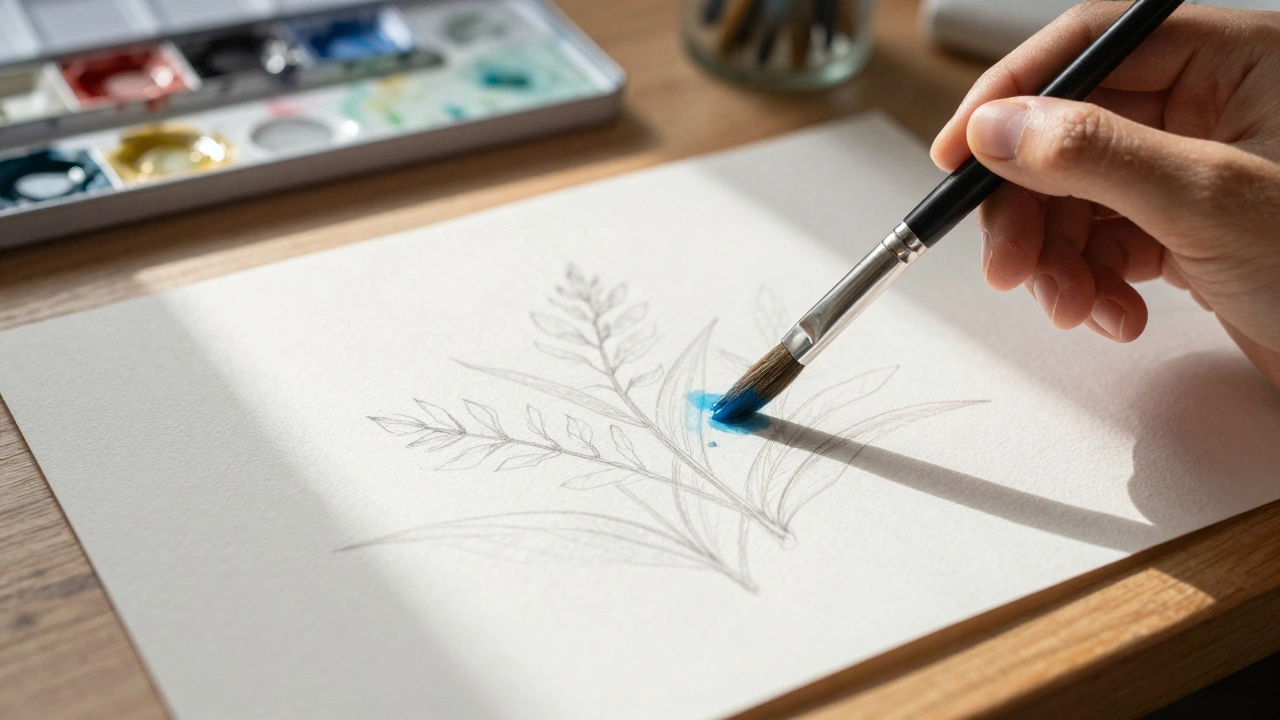
To sketch effectively for watercolor, you need to change your pressure and potentially your tool. Use a soft pencil, such as an HB or 2B, and hold it loosely. Your goal is not to create a finished drawing but to suggest the placement of shapes. Think of it as laying out furniture in an empty room-you just need to know where the sofa goes, not how many buttons are on the cushions. Keep the lines faint. They should disappear visually once the first wash is applied.
Painting Without a Sketch: The Direct Approach
On the other end of the spectrum is direct painting, often called *alla prima* in oil painting but equally valid in watercolor. This method involves applying pigment directly to the paper without any preliminary drawing. It sounds terrifying if you are used to control, but it is one of the fastest ways to capture energy, movement, and spontaneity.
This approach works best for abstract pieces, loose landscapes, or expressive figures where rigid accuracy is less important than mood and color harmony. By skipping the sketch, you avoid the trap of "drawing" rather than "painting." Too many artists spend so much time refining their pencil work that they lose the freshness of the moment. When you paint directly, you are forced to make decisions quickly. You place a shape, assess its value, and adjust. It keeps the hand-eye connection immediate and alive.
Direct painting also encourages you to see in masses of value rather than outlines. Instead of thinking about the edge of a tree, you think about the dark mass of the foliage against the lighter sky. This shift in perception is crucial for developing strong compositional skills. You learn to trust your brushstrokes to define forms, rather than relying on a crutch of black lines underneath.
The Wet-on-Wet Technique and Invisible Shapes
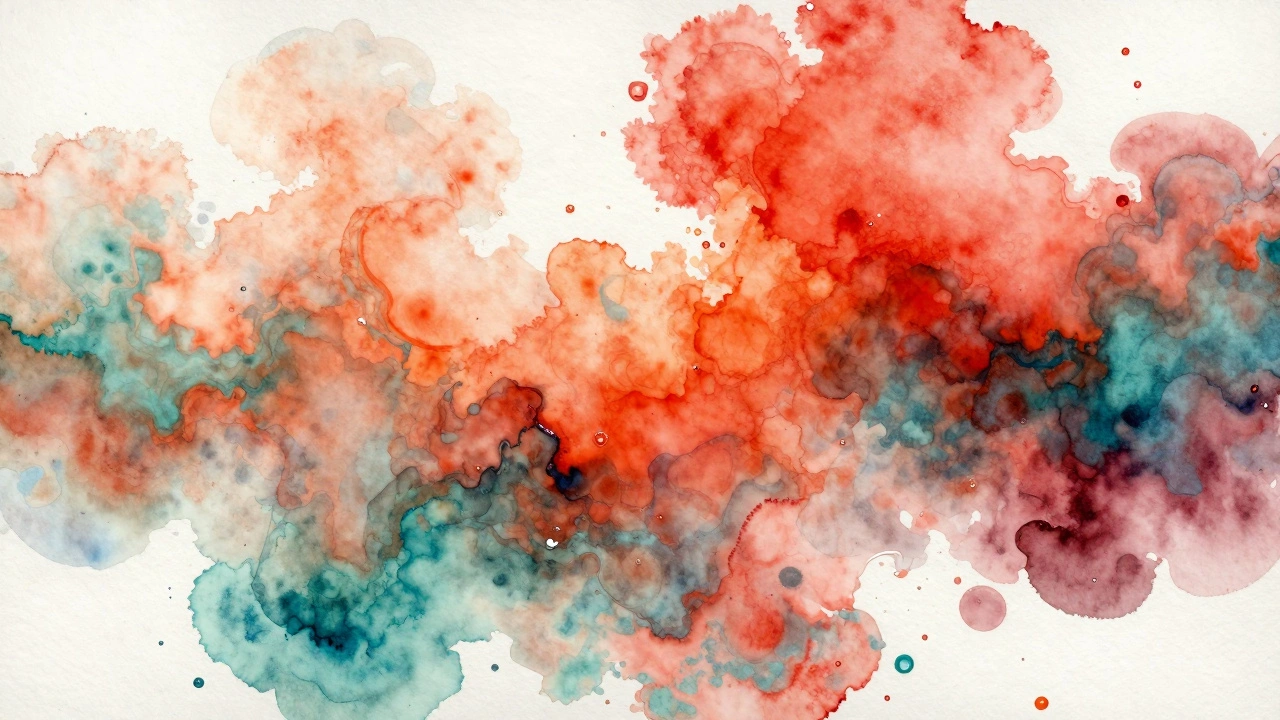
One of the most beautiful aspects of watercolor is its ability to bloom and diffuse. This happens primarily in the wet-on-wet technique, where you apply color to paper that has already been dampened with clean water. In this state, edges soften, colors merge, and hard lines become impossible to maintain. A precise pencil sketch here would actually fight against the nature of the medium.
When working wet-on-wet, many artists use a "ghost sketch" or simply rely on memory and gesture. You might lightly mark the horizon line or the center of interest, but you leave the rest open. As you drop in color, you guide the flow with tilting the paper or using a dry brush to absorb excess water. The shapes emerge organically from the interaction of pigment and moisture. This method is ideal for skies, misty backgrounds, and reflective surfaces.
If you are worried about losing control, start with large, simple shapes. Don’t try to paint a detailed face wet-on-wet unless you have years of experience. Start with a sunset gradient or a blurry forest background. Let the water do the work. The lack of a sketch forces you to focus on color relationships and value transitions, which are the true foundations of a compelling watercolor painting.
Transfer Methods for Clean Results
Some artists want the precision of a sketch but hate the look of pencil lines in the final piece. For them, transfer methods offer the perfect middle ground. These techniques allow you to create a detailed drawing on a separate sheet of paper and then transfer the image to your watercolor paper, leaving no visible graphite behind.
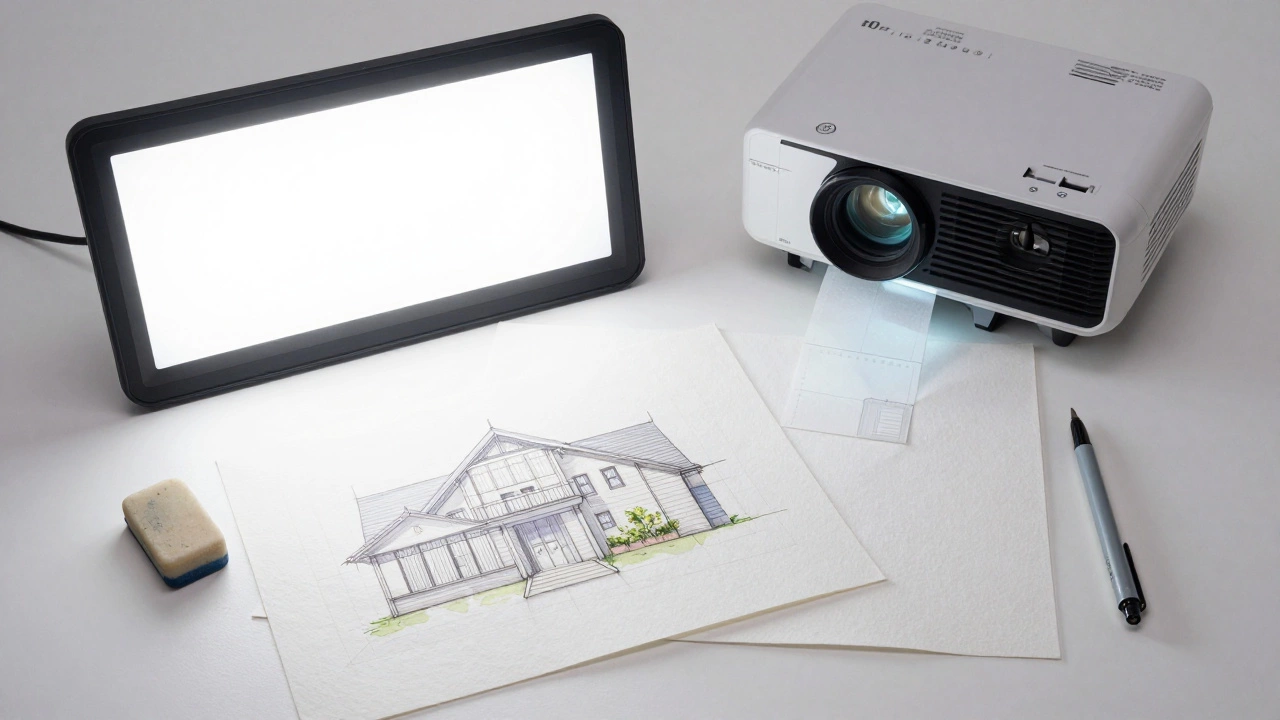
Common methods include using carbonless transfer paper, tracing with a lightbox, or even pricking holes along key lines and dusting chalk through them (a technique called pouncing). Another popular modern method is using a projector to trace the outline directly onto the watercolor paper with a very faint wash of neutral tint. This gives you a colored guide that blends seamlessly into the painting, rather than sitting on top of it like foreign graphite.
These methods are particularly useful for illustrative work, where clients or viewers expect high levels of detail and accuracy. They remove the risk of smudging or resisting issues because the guide is either removed or integrated into the paint layer itself. It requires more setup time, but the payoff is a pristine surface ready for delicate glazing.
Choosing Your Method Based on Subject Matter
Your choice of preparation should dictate your process, not the other way around. Different subjects demand different levels of planning. Here is a quick breakdown of how to match your method to your subject:
- Landscapes: Often benefit from a loose sketch for major elements (trees, buildings) but direct painting for textures (grass, clouds).
- Portraits: Usually require a careful sketch for facial features to ensure symmetry, followed by layered glazing.
- Abstracts: Thrive on direct painting and wet-on-wet techniques with little to no pre-planning.
- Architecture: Needs precise lines and angles, making transfer methods or very light, accurate sketches essential.
- Flowers: Can go either way; loose sketches for wildflowers, tighter drawings for botanical illustrations.
Experimentation is key. Try painting the same subject twice: once with a tight sketch and once without. Compare the results. You may find that your landscape looks stiff with too much planning but chaotic with none. Finding your balance is part of the artistic journey.
Tools That Influence Your Decision
The materials you choose can also sway your decision to sketch or not. Heavyweight, textured papers (like 100% cotton cold-press) hold up well to erasing and multiple layers, making them forgiving for sketchers. Smooth hot-press papers show every pencil mark and are better suited for direct painting or fine-line transfers.
Brushes play a role too. Round brushes are versatile for both detailing and washing, allowing you to refine a sketch-like area or broaden out into a wash. Flat brushes are great for blocking in large areas directly, encouraging a painterly approach. If you are using opaque gouache mixed with watercolor, you have the safety net of being able to cover mistakes, which reduces the pressure to get the sketch perfect.
Should I erase my sketch after painting?
It depends on the visibility of the lines. If you used a light touch and the pencil marks are faint, they often blend into the texture of the paper and don't need erasing. However, if the lines are dark or resist the paint, gently erasing them after the painting is completely dry can lift the image. Be careful not to damage the paper fibers. Using a kneaded eraser is safer than a hard rubber one.
What if I mess up my sketch?
Don't panic. Lightly erase the mistake and redraw it. Remember, the sketch is temporary. If you've pressed too hard and created grooves, you might need to start over on a new sheet, or you can embrace the groove as a highlight if it fits the composition. Practice makes perfect, so don't waste expensive watercolor paper on early sketching experiments; use scrap paper first.
Can I paint over pencil lines with watercolor?
Yes, but it's tricky. Dark pencil lines will often show through light washes. To hide them, you may need to build up several layers of paint (glazing) until the opacity covers the graphite. Alternatively, use a transfer method to avoid pencil lines altogether. White gouache can also be used to cover stubborn lines, but this changes the transparency characteristic of pure watercolor.
Is direct painting harder than sketching first?
It feels harder initially because it requires confidence and quick decision-making. You can't rely on a roadmap. However, it becomes easier with practice as you develop a better sense of proportion and value. Sketching first can sometimes lead to "paralysis by analysis," where you spend too much time drawing and lose the creative spark. Direct painting keeps the process fluid and energetic.
What type of pencil is best for watercolor underdrawings?
A soft pencil like HB, B, or 2B is ideal because it lays down less pressure and creates finer, lighter marks. Harder pencils (H, 2H) tend to scratch the paper more and can leave waxy residues that repel water. Mechanical pencils with 0.5mm leads are also good for precision work, provided you use them lightly. Avoid charcoal or conte crayons for underdrawings unless you specifically want those textures to remain visible.