Modern Art Critique Analyzer
Explore the structured intellectual and economic arguments against modern art based on common viewer reactions.
Identified Critiques:
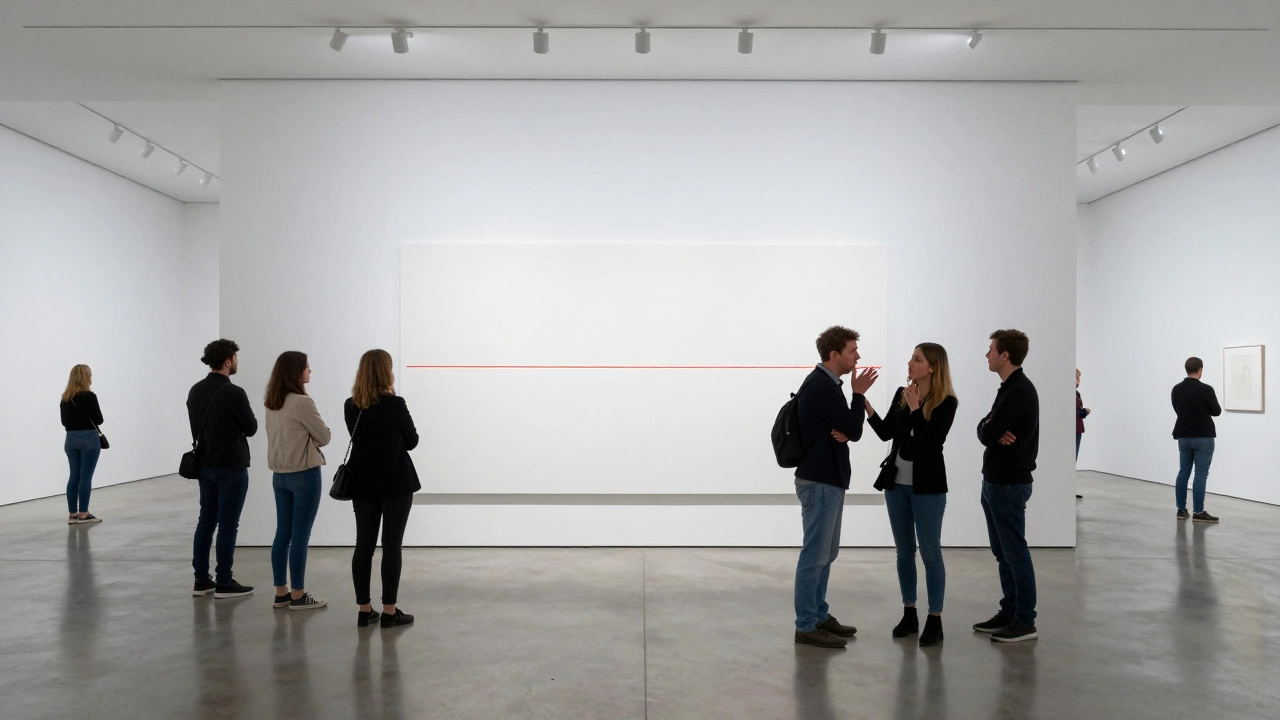
Walk into a major museum in New York or London, and you might see a canvas with a single red line on it selling for millions. You look at your neighbor, who looks confused, maybe even insulted. "I could do that," they mutter. This reaction is not new. It has been the soundtrack to modern art since its inception. For over a century, the public has clashed with critics, collectors, and institutions over what constitutes art.
The skepticism surrounding modern art is not just grumpy old-timers complaining about change. There are structured, intellectual, and economic arguments against it. Some claim it lacks technical skill. Others argue it is an elaborate con game designed to inflate prices. Still others believe it alienates the very people it claims to represent. Understanding these criticisms helps us navigate the confusing world of contemporary culture. It also forces us to ask harder questions about beauty, value, and meaning.
The Loss of Technical Mastery
The most common complaint about modern art is simple: it doesn't look like anything recognizable. Traditional art, from the Renaissance through the 19th century, valued technical proficiency. Artists spent years mastering anatomy, perspective, and light. If you looked at a painting by Rembrandt or Da Vinci, you saw a window into reality, rendered with incredible precision.
Modern art often rejects this standard. When Jackson Pollock threw paint onto a canvas, he wasn't trying to make you see a tree or a face. He was interested in movement and energy. To many viewers, this feels like laziness. The argument goes that if art no longer requires difficult skills to create, then its value drops. Why pay thousands for something that takes minutes to make?
This critique hits hard because it challenges our definition of effort. In traditional crafts, time equals value. If a carpenter spends ten hours building a chair, it costs more than one built in an hour. But in modern art, the idea matters more than the labor. Critics say this disconnects art from the human experience of struggle and mastery. They argue that without technical barriers, anyone can be an artist, which devalues the profession entirely.
The Elitism of Abstraction
Another major argument is that modern art is inherently elitist. It relies on theory rather than emotion. To understand why a blank white canvas by Robert Rauschenberg is significant, you need to read philosophy books. You need to know about the history of minimalism. You need to speak the language of the academic elite.
This creates a barrier between the art and the general public. Museums become temples where only those with advanced degrees feel comfortable entering. The average person feels stupid for not getting it. This isn't accidental; some artists intentionally make work that excludes outsiders. They want to challenge the viewer, but often they just push them away.
Critics argue that art should communicate universally. Music moves people across cultures. Food brings communities together. But much of modern art requires a decoder ring. When art becomes a puzzle for experts, it loses its power to connect with humanity. It becomes a closed loop of critics praising each other's work, while the rest of the world watches from outside.
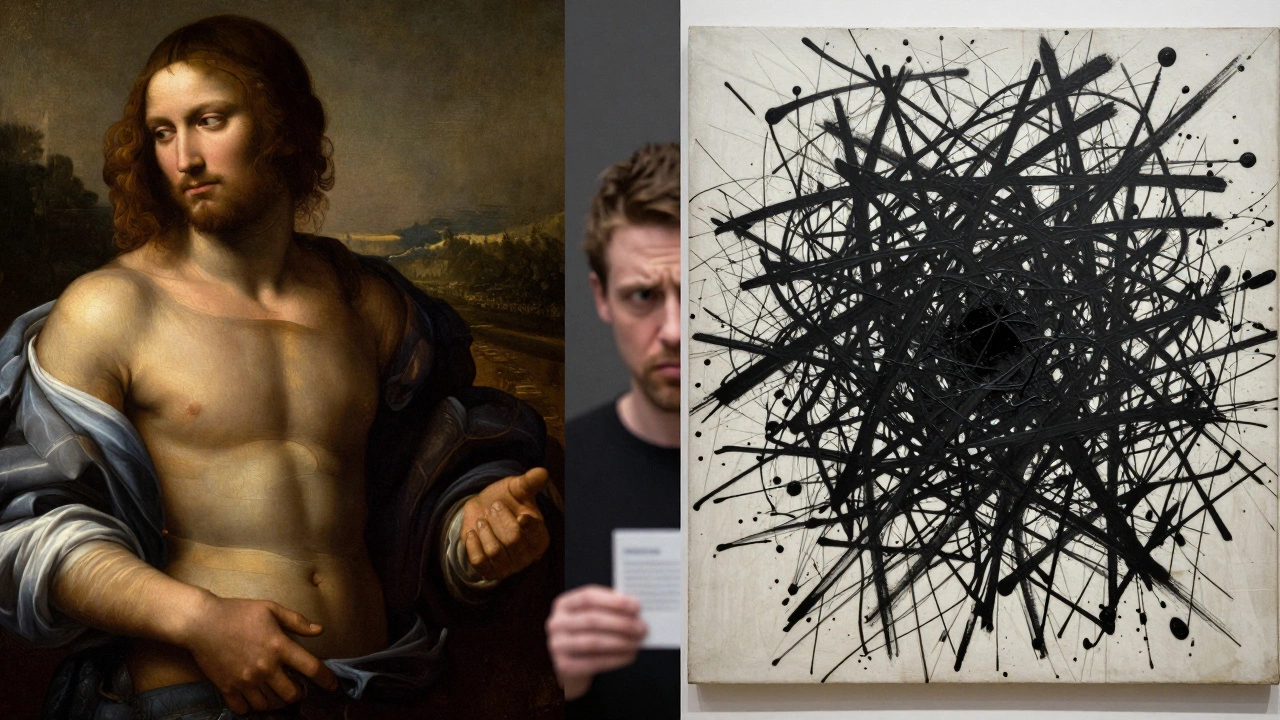
The Economic Bubble and Fraud
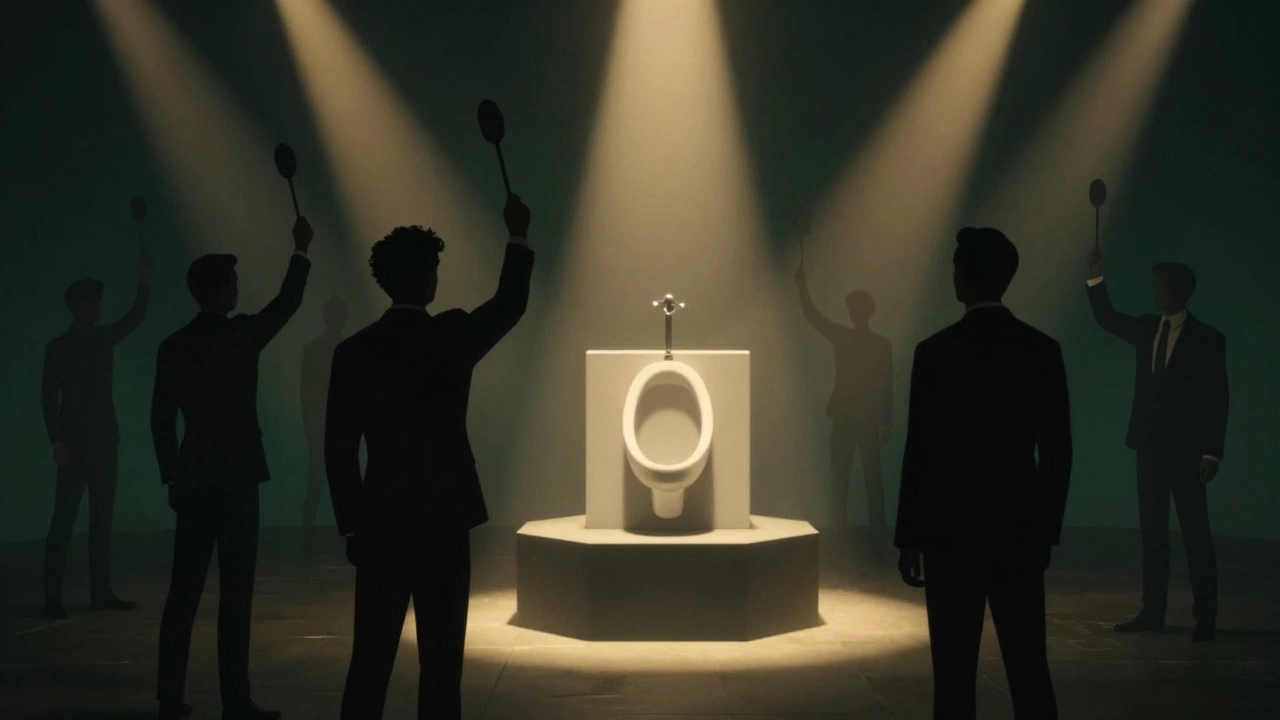
Let's talk about money. The modern art market is notoriously opaque. Prices are not set by supply and demand in a transparent way. They are driven by reputation, hype, and speculation. A painting can sell for $50 million one year and sit unsold for decades the next. This volatility makes the market look like a casino.
Skeptics point out that there is no objective measure of quality. Unlike stocks, which have earnings reports, or houses, which have square footage, art has no intrinsic value. Its worth is purely subjective. This opens the door for manipulation. Galleries and auction houses can create artificial scarcity to drive up prices. They promote certain artists while ignoring others based on business interests, not artistic merit.
There are also concerns about fraud. Because so much modern art is abstract or conceptual, it is easier to fake. If a painting is just blue squares, how do you prove it's not a copy? High-profile cases of forged works have shaken confidence in the market. People worry that they are buying status symbols, not cultural treasures. The argument here is that modern art has become a financial instrument for the wealthy, rather than a form of expression for society.
The Rejection of Beauty
For centuries, art was meant to be beautiful. It decorated churches, palaces, and homes. It provided comfort and inspiration. Modern art often embraces ugliness, chaos, and discomfort. Artists like Francis Bacon painted distorted faces to show psychological pain. Others used trash and decay as materials.
Critics argue that this rejection of beauty is harmful. They believe art should elevate the human spirit, not depress it. By focusing on shock value, modern art desensitizes viewers. We become numb to disturbing images because we see them constantly. The argument is that society needs beauty to heal, not more trauma disguised as creativity.
This view suggests that modern art has abandoned its moral responsibility. Instead of showing us what is good and true, it shows us what is broken and weird. While some argue this reflects the real world, critics say it ignores the possibility of hope. They miss the harmony and order found in classical traditions.
Comparison: Traditional vs. Modern Critiques
| Aspect | Traditional Art Critique | Modern Art Critique |
|---|---|---|
| Value Basis | Technical skill and realism | Ideas, context, and innovation |
| Accessibility | High (recognizable subjects) | Low (requires theoretical knowledge) |
| Economic Model | Stable, historical provenance | Volatile, speculative bubbles |
| Aesthetic Goal | Beauty and harmony | Challenge and disruption |
| Fraud Risk | Low (style is distinct) | High (conceptual ease) |
The Question of Meaning
Finally, there is the philosophical argument: does modern art mean anything? When an artist places a urinal in a gallery, as Marcel Duchamp did with Fountain, they are making a statement about the nature of art itself. But for the viewer, it can feel empty. Is it art? Or is it just a joke?
Critics argue that modern art often prioritizes the artist's ego over the audience's experience. The work becomes a self-referential loop. The artist says, "This is important because I said so." The critic agrees. The collector buys it. But the public gets nothing out of it. They don't feel moved, inspired, or understood.
This leads to a crisis of meaning. If anything can be art, then nothing is special. The term "art" loses its power. Critics long for a return to shared values. They want art that speaks to universal human experiences-love, loss, joy, fear-in ways that everyone can grasp. Without this connection, art becomes irrelevant noise.
Is modern art really just a scam?
While the art market has elements of speculation and hype, calling it a total scam oversimplifies the issue. Many modern artists genuinely explore complex ideas and emotions. However, the financial side can be manipulative, with prices driven by exclusivity rather than merit. It is important to separate the artistic intent from the commercial machinery.
Why do people hate modern art?
People often dislike modern art because it breaks traditional rules of beauty and skill. It can feel inaccessible, requiring specialized knowledge to appreciate. Additionally, the high prices attached to seemingly simple works can trigger feelings of injustice or confusion among the general public.
Does modern art lack technical skill?
Many modern art forms prioritize concept over technique. While some works may appear simple, the artist's choice of materials, composition, and context requires deliberate decision-making. However, critics argue that the decline in emphasis on traditional craftsmanship diminishes the perceived value of the work.
Can modern art be beautiful?
Yes, but not all modern art aims for traditional beauty. Some pieces find beauty in abstraction, color, or form. Others deliberately reject beauty to provoke thought or emotion. Whether it is "beautiful" depends on the viewer's personal taste and expectations.
Who benefits from the modern art market?
The primary beneficiaries are often wealthy collectors, galleries, and auction houses. These entities profit from the scarcity and prestige associated with high-end art. Artists themselves may benefit financially, but the system is heavily skewed toward those with existing capital and influence.