May 11, 2025
Street Art: What Is It and Why Does It Matter?
When you think of Van Gogh oil paintings, the emotionally charged, thickly textured works of Dutch post-impressionist artist Vincent van Gogh. Also known as post-impressionist masterpieces, these pieces don’t just hang on walls—they pull you in with their raw energy and unfiltered feeling. Van Gogh didn’t paint what he saw. He painted what he felt. His brushstrokes weren’t neat or controlled. They were alive—swirling, choppy, urgent. You can see it in The Starry Night, where the sky isn’t just blue and yellow—it’s a storm of motion. In Sunflowers, the petals aren’t just flowers. They’re faces, full of life and decay, painted with a palette knife and pure conviction.
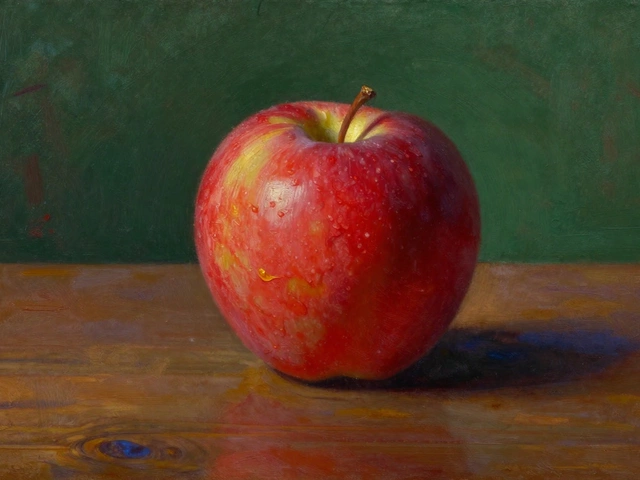
What made his oil paintings so different wasn’t just the subject. It was how he used paint. He applied it thick—sometimes straight from the tube—creating ridges you could feel. That’s called impasto, and he used it like no one else. He didn’t wait for layers to dry. He painted fast, often outdoors, chasing the light. His color choices were bold, even shocking for his time. He didn’t use muted earth tones. He used cobalt blue, chrome yellow, cadmium red. He paired them in ways that made the air hum. He wasn’t trying to copy nature. He was trying to make you feel its soul.
Van Gogh didn’t sell much in his lifetime. He painted for himself, for the struggle, for the next brushstroke. But his work changed everything. He showed that emotion could be the foundation of art—not just technique. Today, artists still study his brushwork. They try to copy the way he built up texture, how he used complementary colors to make reds pop against greens, how he turned a simple chair or a pair of boots into something hauntingly human. His influence shows up in modern expressionism, in street art, even in animation. He didn’t just paint pictures. He painted feelings you can’t name.
Below, you’ll find posts that explore what makes oil painting work for beginners, how to build depth in landscapes, and why technique matters more than perfection. Some of these articles won’t mention Van Gogh by name—but you’ll see his spirit in every thick stroke, every bold color choice, every artist trying to say something real with paint.
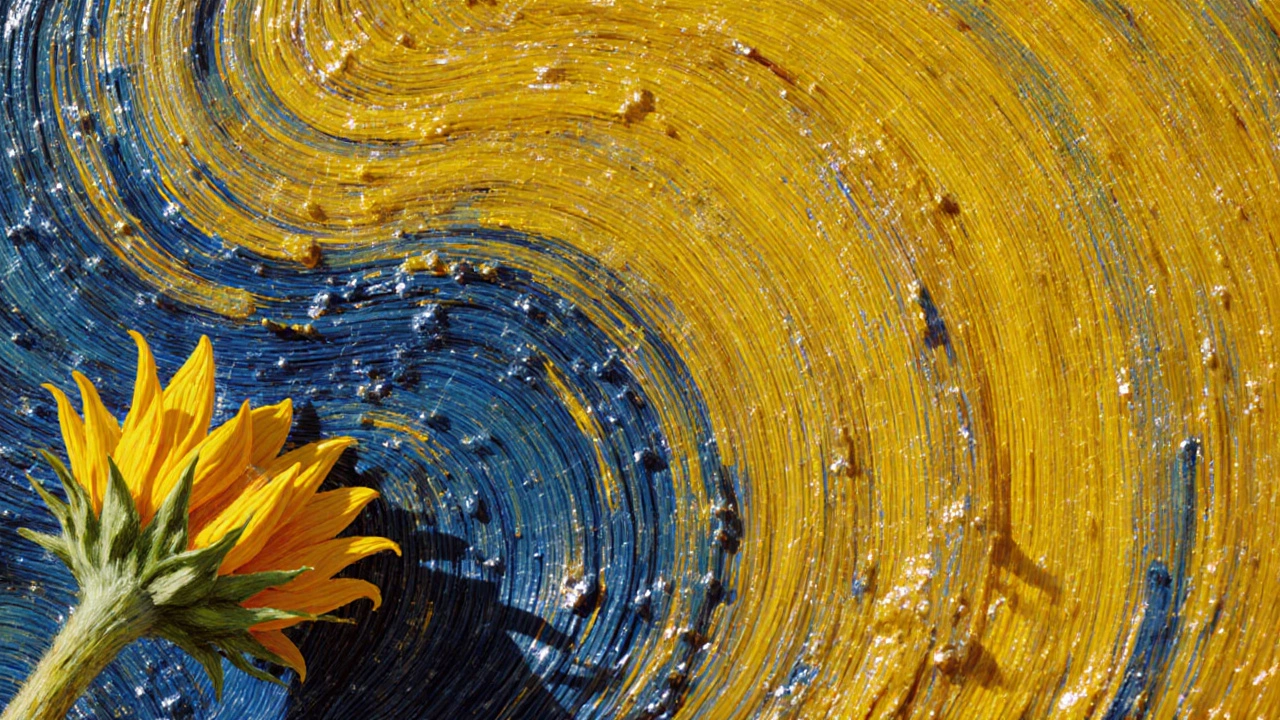
Vincent Van Gogh most often used yellow and blue in his oil paintings to express emotion, light, and depth. These colors defined his most famous works, from Sunflowers to The Starry Night.