Mar 9, 2025
Exploring the Current Art Era: What Defines Modern Art Today?
When you paint or draw a landscape, you’re not just copying what you see—you’re building a space. The parts of a landscape, the three layered sections that give depth to outdoor scenes in art. Also known as landscape layers, these aren’t just fancy terms—they’re the foundation of every realistic outdoor painting. Without them, your scene looks flat, like a poster stuck to a wall. Realism comes from how these layers interact: what’s close, what’s in the middle, and what fades into the distance.
Every landscape has three key parts: the foreground, the area closest to the viewer, often filled with detailed objects like rocks, grass, or paths; the middle ground, the main focus of the scene, where trees, hills, or buildings sit to anchor the composition; and the background, the farthest layer, where colors soften, details disappear, and skies or distant mountains create a sense of space. These aren’t optional—they’re rules built into how our eyes see the world. Artists have used this structure for centuries, from Turner to modern plein air painters, because it works. The foreground pulls you in. The middle ground holds your attention. The background lets you breathe.
Think about a simple scene: a path winding through a field, trees lining the horizon, and mountains fading into the sky. The rocks and weeds right at your feet? That’s the foreground. The trees you could touch if you walked forward? That’s the middle ground. The hazy blue shapes on the horizon? That’s the background. Each layer uses different techniques—sharper edges, richer colors, and more detail in front; softer edges, lighter tones, and less detail behind. It’s not magic. It’s physics and perception, turned into paint or pencil. Mastering these parts doesn’t mean you need to paint everything perfectly. It means you understand how to trick the eye into seeing depth where there’s only canvas.
Many artists skip this step and jump straight into details—adding every leaf, every rock, every cloud. But that’s where mistakes happen. Too much detail everywhere kills the illusion. The real skill is knowing what to leave out. The foreground needs texture. The background needs silence. The middle ground needs balance. This is why so many beginners struggle: they treat the whole scene the same. The best landscapes don’t shout—they guide. They lead your eye from front to back, letting each layer do its job.
What you’ll find below are real, practical posts from artists who’ve been there. They break down how to paint each layer without overworking it. They show you what tools to use, how to mix colors for distance, and why that one muddy hill in your last painting didn’t work. Whether you’re using oil, watercolor, or digital brushes, the rules stay the same. The parts of a landscape don’t change. What changes is how you use them. And that’s where your art starts to feel alive.
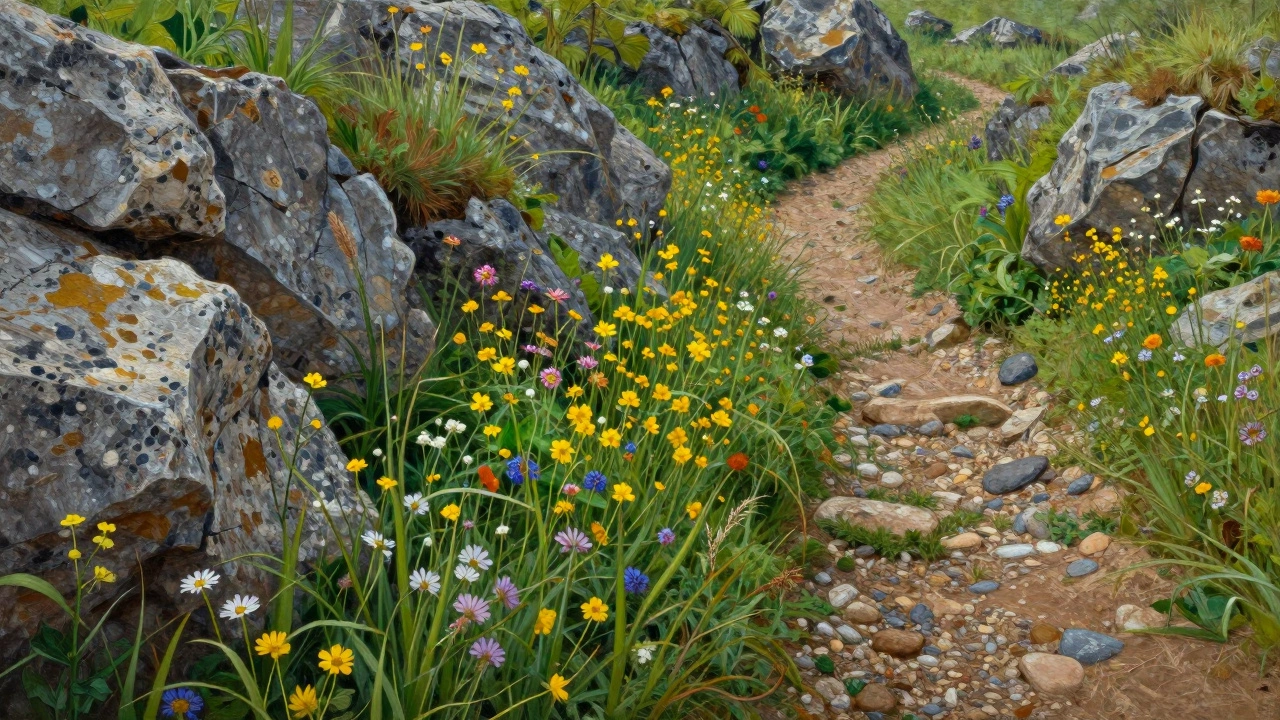
Learn the four essential parts of a landscape in art-foreground, middle ground, background, and atmospheric perspective-and how they create depth and realism in paintings.