Jan 29, 2025
Must-See Broadway Musicals for Theatre Lovers
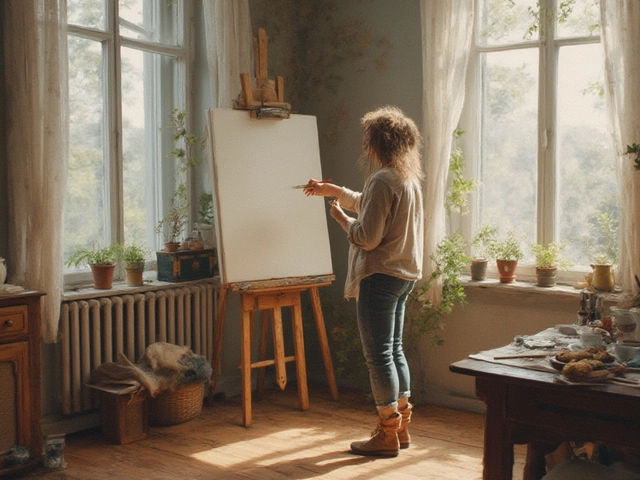
When you start oil painting, a traditional art form using pigments mixed with drying oils like linseed oil. Also known as oil-based painting, it lets you build color slowly, blend smoothly, and fix mistakes over days—not hours. Unlike watercolors or acrylics, oil paint stays workable for a long time, which is perfect if you’re still learning how to mix colors or control brush pressure.
You don’t need fancy gear to begin. Just a few brushes, a small canvas, some basic colors (like titanium white, cadmium red, yellow ochre, and ultramarine blue), and a bottle of linseed oil, the standard medium used to thin oil paint and speed up drying. Skip the olive oil—some blogs suggest it as a cheap substitute, but it doesn’t dry properly and can ruin your painting over time. Real oil painters rely on linseed oil because it bonds with the pigment and creates a durable finish. And yes, you can paint landscapes, portraits, or abstracts—even as a beginner. The key isn’t perfection, it’s practice.
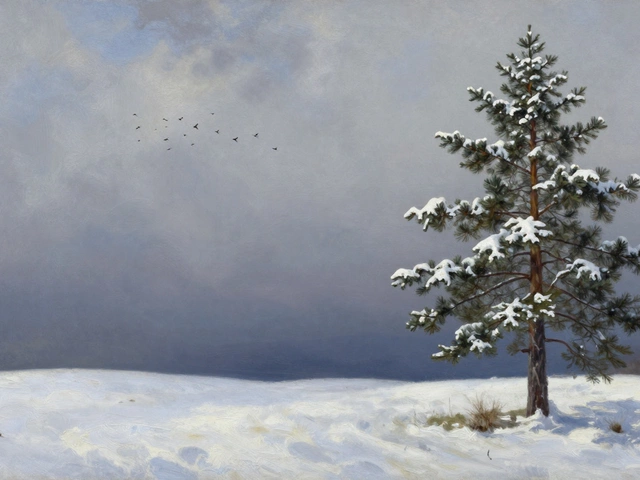
Most beginners get stuck trying to paint every leaf or rock in detail. But strong oil paintings come from understanding light and value, how dark and light areas create depth and form, not fine lines. Think of it like a grayscale photo: if the contrast between shadows and highlights feels right, the rest will follow. That’s why many of the guides here focus on step-by-step landscape painting, using just three layers—foreground, middle ground, background—to create space without overcomplicating things.
It’s normal to feel overwhelmed. You’ll mix muddy colors. You’ll paint too thick. You’ll wonder why your sky looks flat. But every artist who’s been there says the same thing: keep going. The magic happens after the third or fourth painting, when your hand starts remembering what your eyes see. You’ll notice how the way you hold the brush changes. How a single stroke can suggest a tree instead of drawing every branch. How the smell of linseed oil becomes familiar, not strange.
What you’ll find in these posts isn’t a list of rules. It’s a collection of real, tested advice from artists who’ve taught beginners in Pembrokeshire studios, on beach walks, and in quiet studios with the sea just outside the window. You’ll learn how to choose the right brushes, how to clean them without wasting paint, and why some artists wait days between layers. You’ll see how to turn a simple hillside into a compelling scene using just three colors. And you’ll find out why many artists start with landscapes—they’re forgiving, they’re everywhere, and they teach you more about light than any book ever could.
There’s no rush. Oil painting isn’t a race. It’s a quiet conversation between you, your brush, and the surface you’re working on. The first time you see a color you mixed come alive on canvas—that’s the moment it stops being a hobby and starts becoming yours.
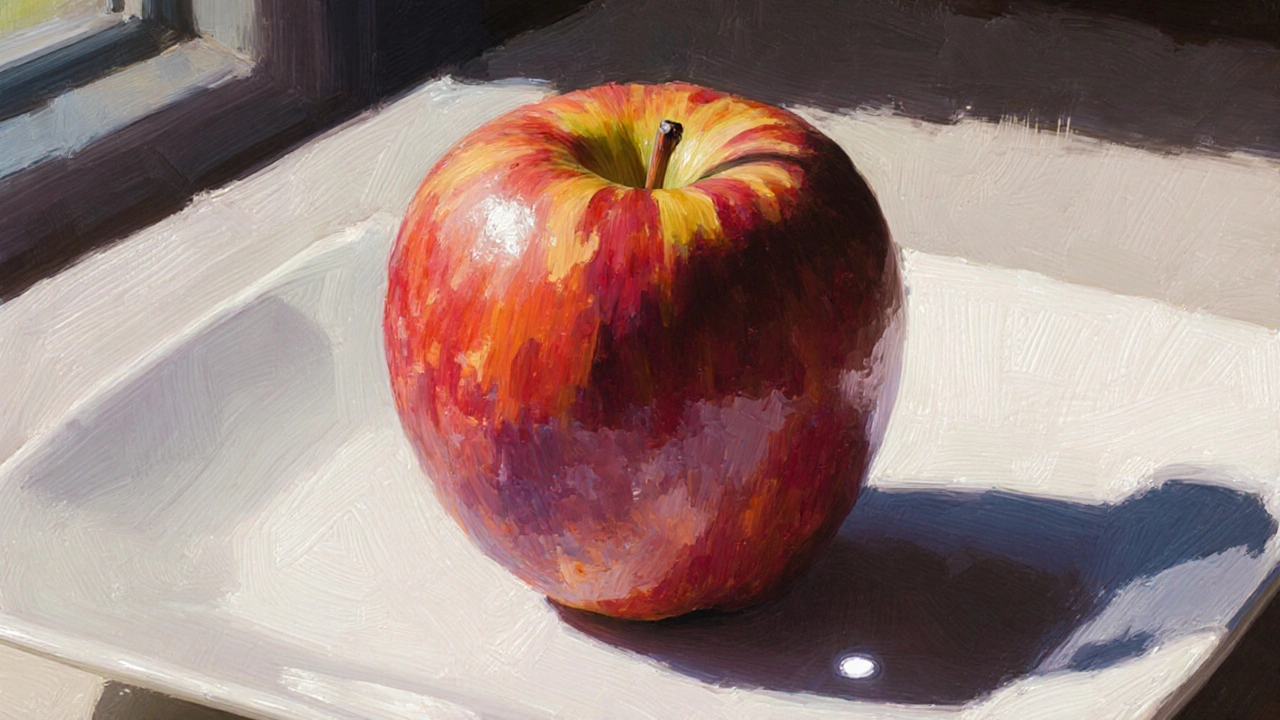
The easiest thing to paint in oil painting is a single apple. It teaches color, light, and form without overwhelming beginners. Start with three colors, one object, and patience.