Mar 5, 2026
Who Is the Most Popular Contemporary Artist in 2026?
When you’re working with oil paint, a slow-drying medium used by artists for centuries to build depth, texture, and luminous color. Also known as oil-based paint, it’s prized for its workability—but that same flexibility means you need to understand how long it actually takes to dry before you can move on to the next layer. Unlike watercolors or acrylics, oil paint doesn’t dry by evaporation. It cures through oxidation, a chemical reaction with air that happens slowly. This isn’t a flaw—it’s why artists like Van Gogh could blend skies for hours and still have the paint stay put.
So how long does it take? The surface might feel dry in a day or two, but full curing can take weeks or even months. Thicker layers, like impasto strokes, can take up to six months to dry through. Dark colors like ultramarine blue or burnt umber dry slower than lighter ones like titanium white. The type of oil matters too—linseed oil dries faster than walnut or poppy oil. Humidity and temperature play a big role: a warm, dry room speeds things up; a cold, damp studio slows them down. If you’re layering paint, waiting too little risks cracking or lifting the underlayer. Waiting too long means you’re stuck waiting.
You don’t need to guess. Many artists use a simple rule: wait until the paint is dry to the touch before adding thin glazes, and wait at least a week before varnishing. Some use drying agents like cobalt dryer for faster results, but too much can make paint brittle. If you’re painting a landscape with thick clouds or textured trees, plan ahead. Think of oil paint like bread dough—it needs time to rise properly. Rushing it ruins the final result.
The posts below cover everything from how to speed up drying safely, to why some colors take forever, to how artists like Van Gogh managed their layers. You’ll find practical tips on drying times for specific pigments, what to do when paint won’t dry, and how to plan your workflow around the natural rhythm of oil. Whether you’re a beginner painting your first apple or an intermediate artist working on a large canvas, understanding oil paint drying time changes everything.
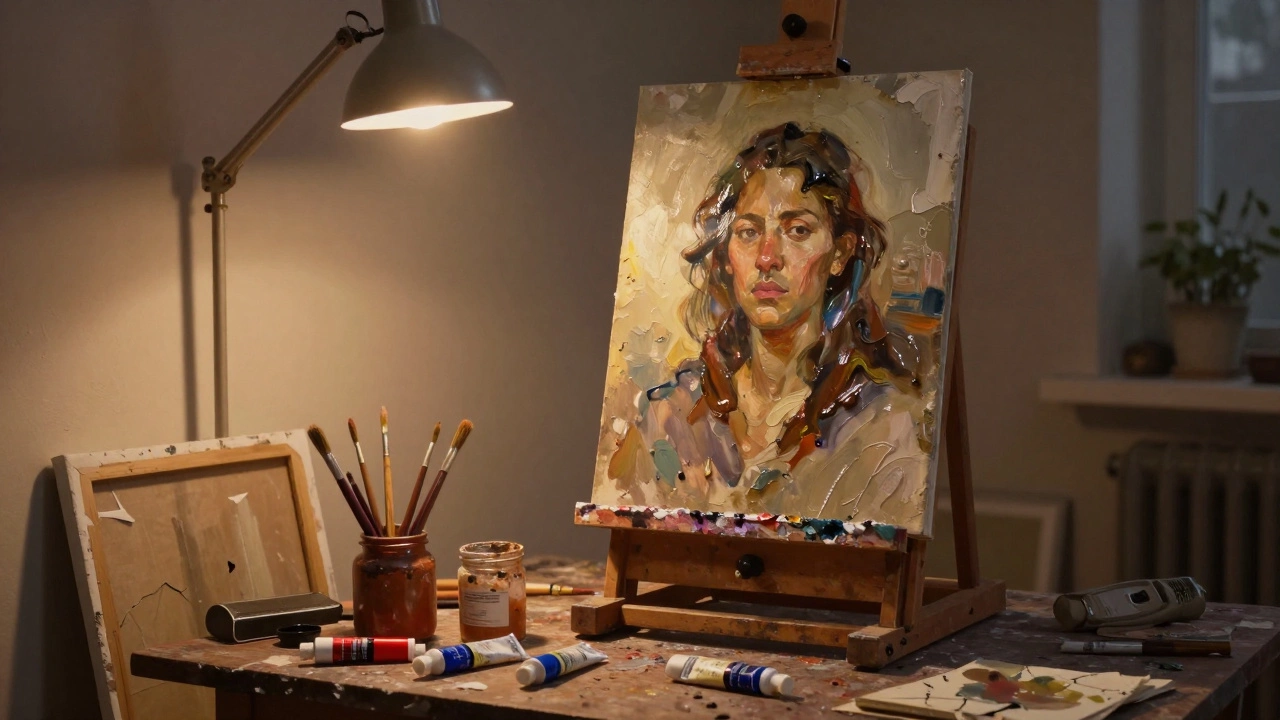
Oil painting is difficult because of its slow drying time, unforgiving blending, complex color mixing, and demanding technique. It requires patience, proper materials, and deep understanding-not just skill.