Dec 9, 2024
Discovering the Art of Sculpting: What Do We Call These Creators?
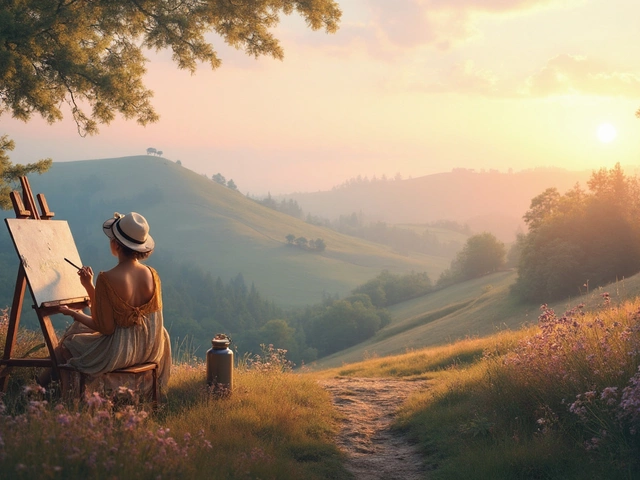
When you're drawing a landscape, landscape drawing rules, a set of visual principles that guide how to create believable depth and structure in outdoor scenes. These aren't magic tricks—they're simple, proven ways to make your drawings feel real, even if you're just starting out. Most beginners think they need to draw every tree, rock, and blade of grass to make a scene look good. But the truth? It's not about detail. It's about foreground, middle ground, and background, the three essential layers that give a drawing its sense of space. near, middle, and far—these are the backbone of every strong landscape. Without them, your drawing looks flat, like a sticker stuck on paper.
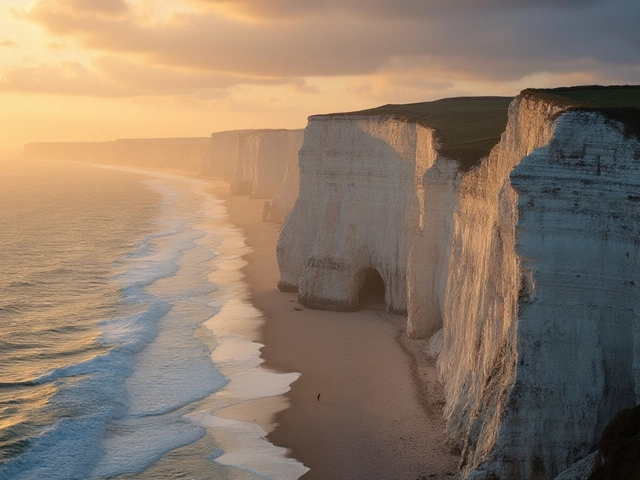
Here’s how it works: the foreground, the part of the scene closest to the viewer is where you add the most texture and contrast. Think rocks, grass, or a winding path. The middle ground, where the main subject usually lives—like a hill, a tree line, or a building—is where you start softening edges and reducing detail. Then comes the background, the farthest layer, often hills or sky, where colors fade and shapes blur. This isn't just theory. It's how your eyes actually see the world. Mountains don't look sharp from a mile away. Trees don't show individual leaves when they're far off. That's atmospheric perspective, the natural effect where distance changes how we see color, contrast, and clarity. It's why distant hills look bluer and lighter, even if they're green up close.
You don't need fancy tools to use these rules. A pencil and paper are enough. What you need is awareness. Look at photos of real landscapes. Notice where the sharp lines are and where things melt into the haze. Go outside. Stand in one spot and identify the three layers in front of you. Sketch them quickly—don't worry about perfection. The more you practice seeing these layers, the more natural it becomes. These rules work whether you're drawing with charcoal, ink, or pencil. They're the same for oil paintings too, as seen in many of the posts here.
And while rules like the rule of thirds help with composition, they're secondary to these three layers. A perfectly centered tree won't save a flat background. But a strong foreground-to-background flow? That makes even a simple sketch feel alive. The best landscape drawings don't shout—they invite you in. And that starts with getting the depth right.
Below, you'll find real guides from artists who’ve used these exact principles to build realistic scenes—whether they're working in pencil, oil, or digital. No fluff. Just clear, practical methods that actually work.
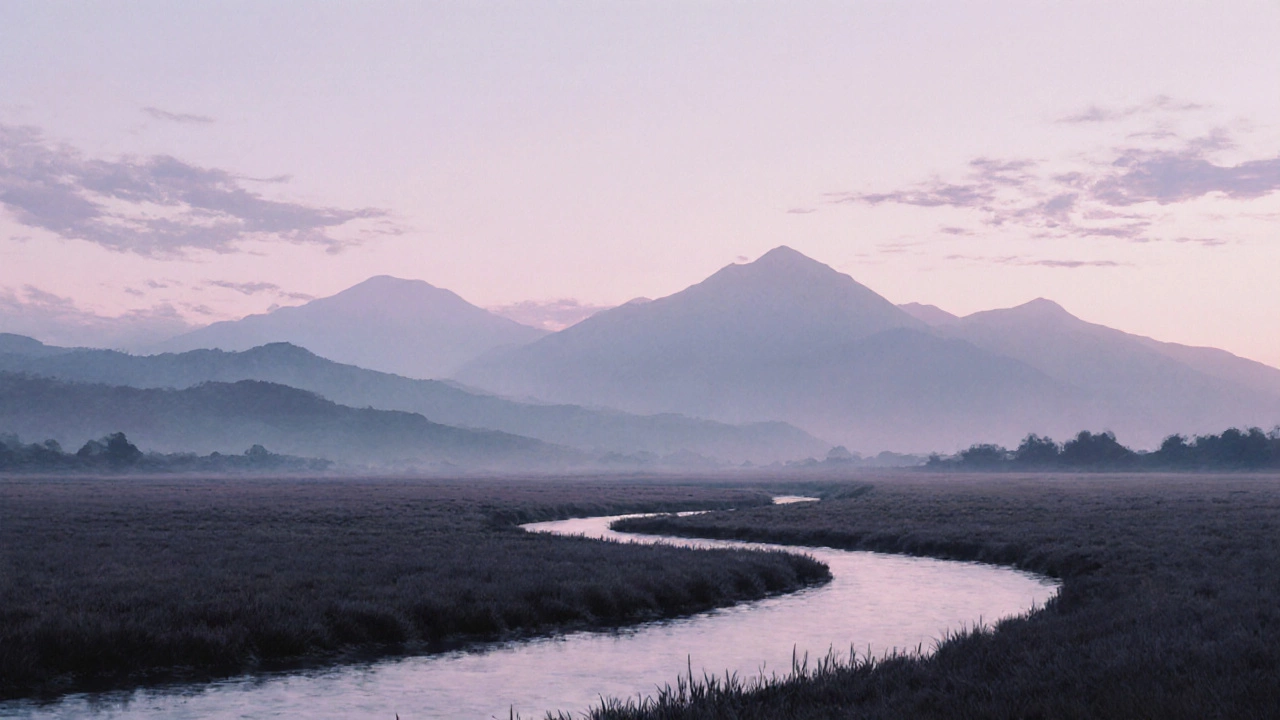
Learn the essential rules of drawing landscapes-from perspective and value to focal points and texture. These proven techniques help you create depth, mood, and realism without overworking details.