Mar 26, 2026
Is The Who Still Doing Concerts in 2026? A Fan's Guide
When you hear generative art, art created by systems, algorithms, or rules rather than direct human hand. Also known as algorithmic art, it’s not about the artist painting every stroke—it’s about setting up a process and letting it unfold. Think of it like planting a seed and watching how the plant grows based on sunlight, soil, and rain. The artist picks the conditions, but the outcome isn’t fully controlled. This isn’t new—artists have used chance and systems since the 1950s—but today, with tools like code, AI, and digital apps, it’s exploding.
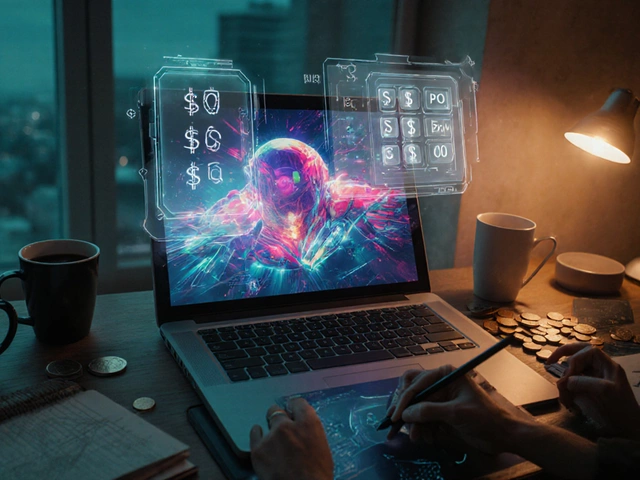
Generative art relies on digital art, art made using software and devices like tablets and computers as its foundation. You don’t need to be a coder to make it. Many artists use apps like Procreate, a popular digital painting app for iPad with built-in brushes that react to pressure and motion, or Krita, a free, open-source tool that supports custom brushes and scripts to build layers that shift automatically. Some even write simple code to generate patterns, colors, or shapes that change with every run. The result? No two pieces are ever the same—even if the starting point is identical.
It’s not just about the tools. AI art, a subset of generative art where machine learning models create images from text prompts has brought this style into mainstream conversations. But AI art is just one branch. True generative art includes hand-coded systems, random number generators, even physics simulations. It’s the difference between asking a computer to draw a tree and telling it how trees grow in nature—then letting it figure out the details. That’s why galleries and collectors are taking it seriously. These aren’t just pretty pictures. They’re records of systems in motion.
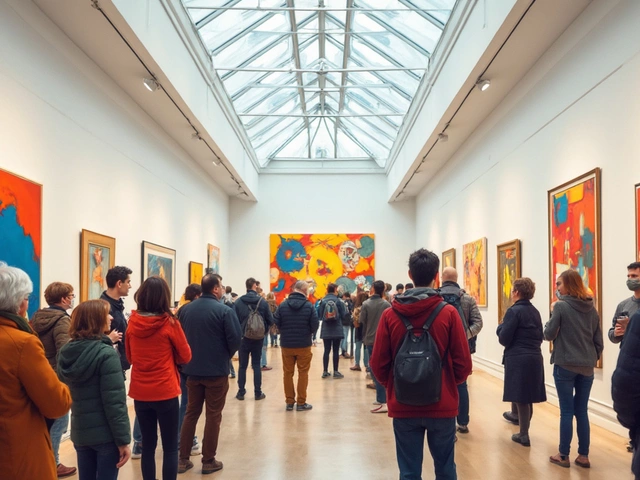
You’ll find this in the work of artists who blend traditional techniques with digital processes. Some use generative rules to design backgrounds, then paint over them by hand. Others start with a brushstroke and turn it into a repeating pattern that evolves over time. It’s the same energy you see in digital art exhibitions where movement, color, and form respond to sound or viewer input. The line between artist and machine blurs—but the vision? Still human.
What’s cool is how this connects to everything else in the art world. If you’ve read about digital art tools, you know Procreate and Krita are popular. But now you see why: they’re not just for drawing. They’re platforms for building systems. If you’ve wondered why modern art looks so different now, it’s because artists aren’t just making objects—they’re making rules. And those rules can create endless variation.
Below, you’ll find real examples of how artists are using generative thinking—from code-based pieces to digital tools that turn simple inputs into complex visuals. Whether you’re curious about how it’s made, or you want to try it yourself, the posts here give you the practical side—no jargon, no fluff, just what works.

AI-generated art is the biggest trend in contemporary art in 2025, transforming how art is made, sold, and experienced. Artists are using AI not as a shortcut, but as a collaborator - blending technology with human intention to create powerful new work.