Jan 1, 2025
Understanding Contemporary Art: A Singular Perspective
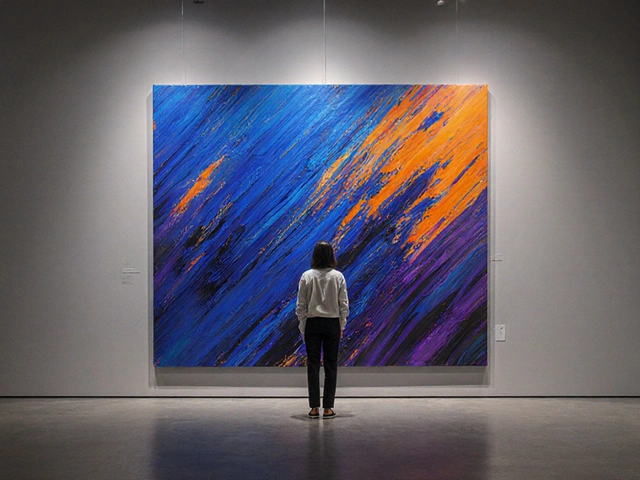
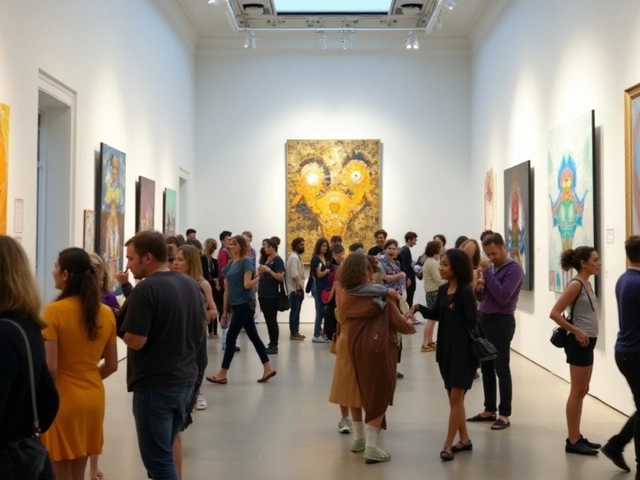
When you see a professional art display at a gallery or art fair, the piece isn’t just hanging on a wall—it’s mounted on something sturdy, lightweight, and clean. That’s often Gatorboard, a rigid, foam-based panel made of polystyrene core sandwiched between wood-fiber facings. Also known as gator foam, it’s the go-to material for artists who need their work to look polished without the weight of glass or the warping of thin cardboard. Unlike regular foam core, which dents easily and bends over time, Gatorboard holds its shape even in humid conditions. It’s why you’ll see it used in museum displays, pop-up exhibitions, and artist-run galleries across Pembrokeshire and beyond.
Artists use Gatorboard for more than just mounting. It’s a surface for painting directly on, especially for large-scale pieces that don’t need glass protection. It’s also the base for printed art—giclée prints, posters, and digital reproductions—because it doesn’t curl or bow like paper. If you’ve ever held a fine art print that felt solid, not flimsy, it was likely mounted on Gatorboard. It’s also the standard backing for art shows where pieces need to be shipped or moved often. You won’t find it in craft stores, but art supply shops and print labs keep it stocked because it’s the practical choice for anyone serious about presentation.
What makes Gatorboard different isn’t just its strength—it’s how it works with other materials. You can glue, staple, or screw into it. You can paint over it with acrylics or seal it with varnish. It takes spray adhesive without bubbling, and it won’t yellow like cheaper boards. Compared to wood panels, it’s light enough to hang with a single nail. Compared to foam core, it lasts years without sagging. That’s why even beginners who plan to sell their work start using it early. It turns a simple print into something that feels like a gallery piece.
There’s no magic to using Gatorboard. You just need the right tools: a sharp utility knife, a straight edge, and some mounting adhesive. Cut it to size, glue your artwork on, and let it dry flat. No need for framing—though many artists add a simple float frame to elevate the look. It’s the quiet hero behind countless exhibitions, from coastal art walks in Tenby to urban pop-ups in Cardiff. If you’re preparing for your first show, or just want your prints to look professional, Gatorboard isn’t optional—it’s the baseline.
Below, you’ll find posts that cover everything from how to mount your art on Gatorboard, to alternatives that work just as well, to how galleries choose materials for long-term displays. Whether you’re printing your first piece or prepping for a solo show, these guides will help you get it right.
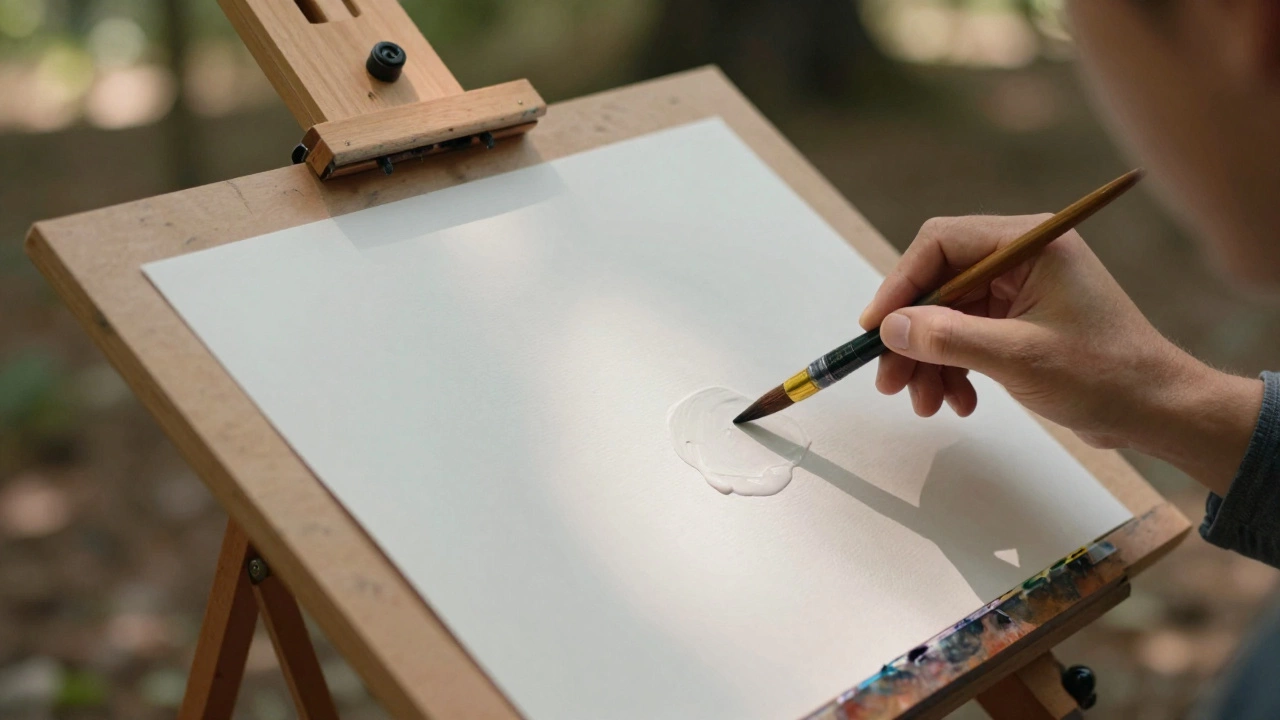
Discover better ways to keep watercolor paper flat without stretching. Watercolor blocks, mounted boards, and pre-stretched panels offer faster, cleaner results with no soaking or tape.