When people ask, "What are the 13 arts?" they’re often thinking of something ancient - like the classical liberal arts. But today, that question is being asked in a new way: not about grammar or logic, but about the contemporary art forms that shape how we experience culture right now. There’s no official list handed down from a museum or academy. Instead, the "13 arts" is a practical framework used by curators, educators, and artists to map the full range of creative expression in the 21st century. It’s not about ranking them. It’s about recognizing how deeply different practices influence each other.
Performance Art
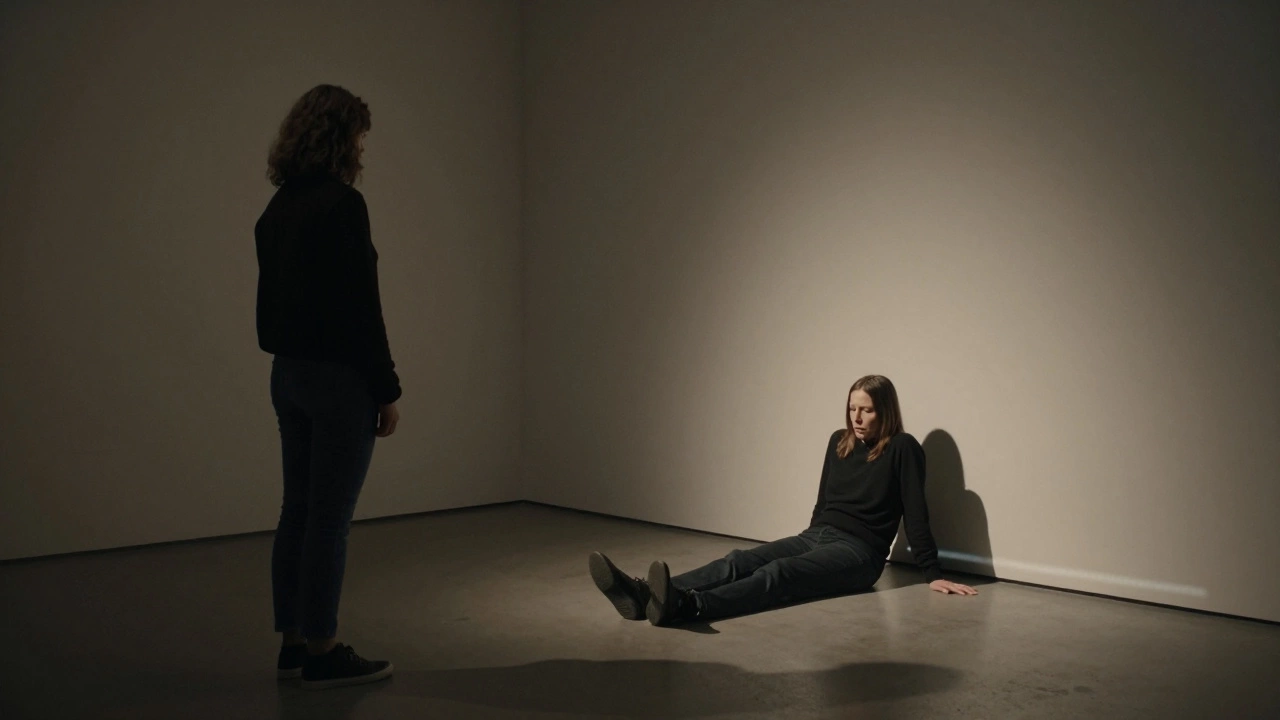
Performance art isn’t just theater. It’s the body as a canvas, time as the medium, and presence as the message. Think of Marina Abramović sitting silently across from strangers for hours, or Tino Sehgal’s wordless interactions in museum spaces. These aren’t shows. They’re lived experiences. Unlike traditional theater, there’s no script to memorize, no curtain to fall. The artist’s body, movement, and interaction with viewers become the artwork. It’s raw, unpredictable, and often leaves no physical trace - which is exactly the point.
Installation Art
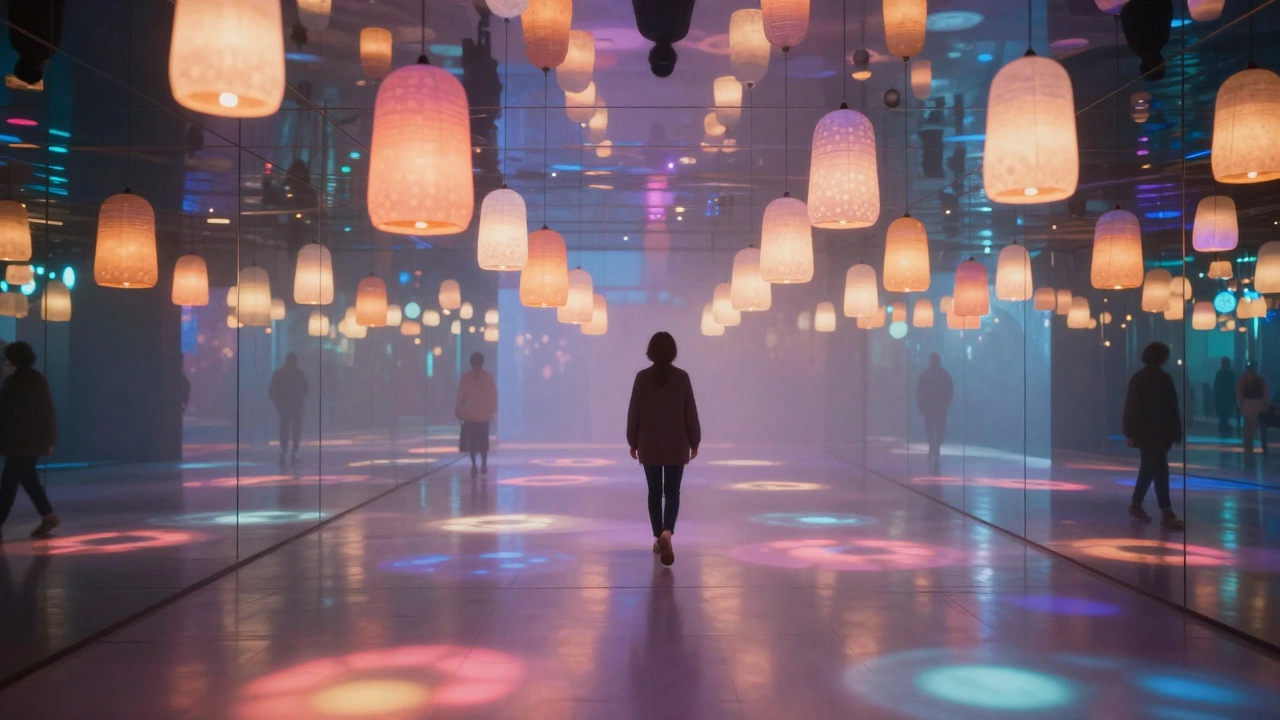
Installation art takes over entire rooms. It doesn’t hang on a wall. It fills space - sometimes with sound, light, scent, or even temperature. Think of Olafur Eliasson’s fog-filled rooms or Yayoi Kusama’s mirrored infinity chambers. These aren’t decorations. They’re environments you walk into, feel, and sometimes get lost in. Installation art blurs the line between viewer and participant. You don’t just look at it - you move through it, and it changes you.
Digital Art
Digital art isn’t just Photoshop edits. It includes generative algorithms, NFTs, interactive projections, and AI-generated visuals. Artists like Refik Anadol use real-time data streams to create swirling, living murals on building facades. Others code systems that evolve based on audience input. The tools have changed, but the goal hasn’t: to make something that makes you feel something. Digital art moves fast. What’s cutting-edge today might be outdated in a year. That’s part of its energy.
Video Art
Video art is not music videos or short films. It’s experimental, often silent, and made for gallery screens, not streaming platforms. Think of Bill Viola’s slow-motion water scenes or Pipilotti Rist’s colorful, dreamlike loops. These pieces play with time, perception, and emotion. A 10-minute video might show a single drop of water falling - but in slow motion, it becomes a cosmic event. Video art doesn’t tell stories. It creates moods you can’t put into words.
Sound Art
Sound art isn’t music. It’s about listening as an act. Think of Janet Cardiff’s audio walks, where headphones guide you through a park with whispers and footsteps that aren’t there. Or Ryoji Ikeda’s deafening frequency installations that vibrate your bones. Sound artists don’t care about melody or rhythm. They care about resonance, silence, and how sound bends space. You don’t hear sound art - you feel it in your chest.
Text-Based Art
Words on walls aren’t just slogans. Text-based art turns language into visual poetry. Think of Barbara Kruger’s bold red-and-white phrases like "Your body is a battleground," or Jenny Holzer’s LED scrolls of philosophical fragments. This art doesn’t need images. It uses language to challenge power, expose hypocrisy, or make you pause and rethink what you thought you knew. It’s political, sharp, and often uncomfortably personal.
Street Art
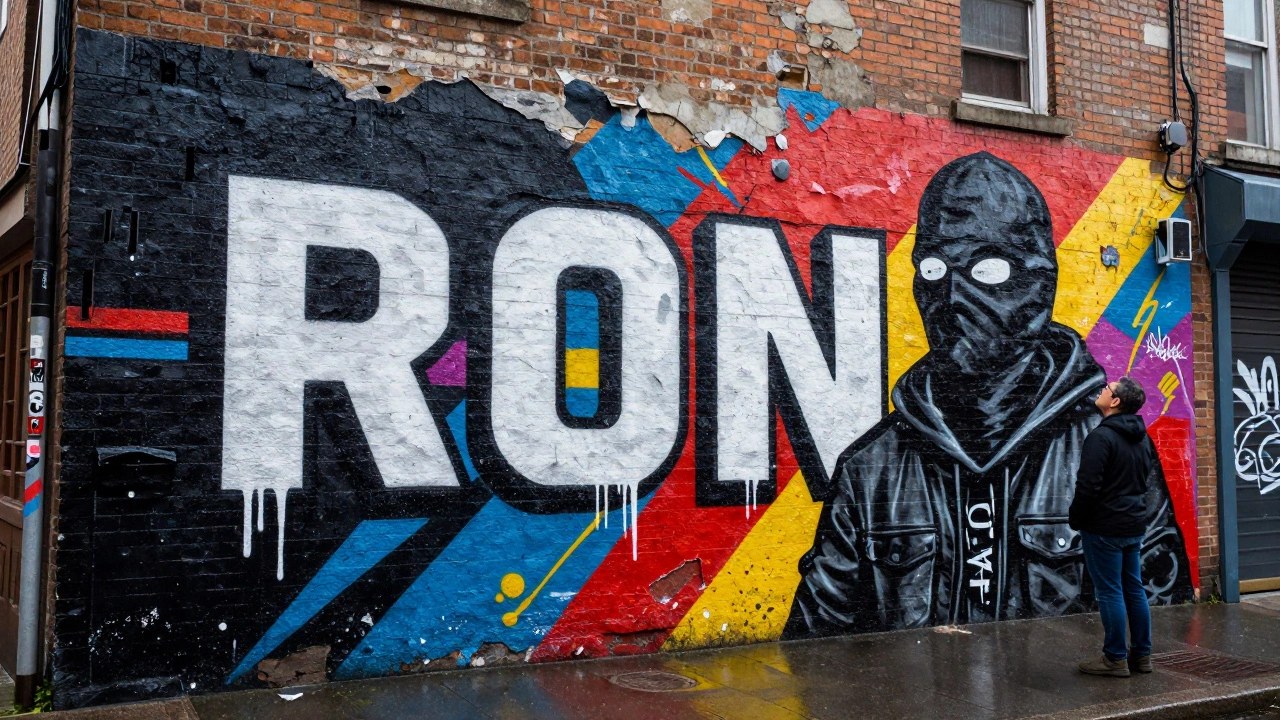
Street art is public, unauthorized, and alive. It’s not graffiti tagging. It’s large-scale murals that transform alleyways into open-air galleries. Artists like Banksy, Shepard Fairey, and Swoon use walls as canvases to speak to millions who never step into a museum. It’s ephemeral - painted over, washed away, or covered by ads. But that impermanence gives it power. Street art doesn’t wait for permission. It claims space.
Photography
Photography isn’t just snapshots. Contemporary photographers like Cindy Sherman, Andreas Gursky, and Dawoud Bey use the camera to construct realities, not capture them. Sherman stages entire scenes where she becomes different characters. Gursky photographs stock exchanges or hotel rooms with such detail they look like abstract paintings. Photography today is about control - what’s included, what’s left out, and how the image is manipulated to make you question truth.
Scultpure
Sculpture has moved far beyond marble statues. Today’s sculptors use plastic, neon, trash, soil, even living plants. Doris Salcedo fills rooms with chairs fused into concrete. Anish Kapoor makes voids that swallow light. These works aren’t just objects. They’re emotional triggers. A pile of rusted metal might represent war. A hollow sphere might represent loss. Sculpture speaks through mass, texture, and space - not just form.
Textile Art
Textile art is reclaiming craft as fine art. Artists like Faith Ringgold, Ghada Amer, and Nick Cave use quilting, embroidery, weaving, and sewing to tell stories of identity, migration, and memory. Cave’s Soundsuits - made of beads, fur, and wire - move and make noise when worn. These aren’t blankets or dresses. They’re wearable monuments. Textile art challenges the old hierarchy that put "fine art" above "women’s work." It’s powerful because it’s intimate.
Light Art
Light art doesn’t need bulbs. It uses shadows, reflections, lasers, and natural light to shape space. James Turrell’s Skyspaces are rooms with openings to the sky, where the color of daylight shifts as you sit inside. Olafur Eliasson uses prisms to split sunlight into rainbows on gallery floors. Light art is quiet. It doesn’t shout. It waits. You have to be still to see it. It turns time into something you can almost touch.
Eco-Art
Eco-art is art that lives with nature - not on it. Artists like Agnes Denes planted a wheatfield on a Manhattan landfill. Andy Goldsworthy builds temporary sculptures from leaves, stones, and ice, letting weather erase them. This art doesn’t aim to last. It asks: What does it mean to create something that belongs to the earth? Eco-art isn’t about protest. It’s about connection. It reminds us we’re part of a system, not above it.
Body Art
Body art isn’t tattoos or piercings - though those count too. It’s using the human form as a site for transformation. Think of Chris Burden’s performances where he had himself shot, or Orlan’s surgical face reshaping. It’s about control over identity, gender, and pain. Body art is extreme because it’s personal. It doesn’t need a gallery. It is the gallery. The artist’s skin, blood, and breath become the medium.
Why These 13? And Why Now?
There’s no magic in the number 13. It’s just a useful way to organize the chaos. Artists today don’t stick to one form. A single work might combine video, sound, and sculpture. A performance might be filmed and turned into a digital installation. The lines between these arts are blurry - and that’s the point. The real shift? Art isn’t about objects anymore. It’s about experience. It’s about how you feel, what you question, and whether you leave changed.
If you walk into a gallery today and see a room filled with dirt, a wall of blinking LEDs, and someone silently staring at you - don’t ask "What is this?" Ask: "What does this make me feel?" That’s the only question that matters now.
Is there an official list of the 13 arts?
No, there’s no official or historical list. The "13 arts" is a modern, informal framework used by educators and curators to help people understand the breadth of contemporary creative practice. It’s not a canon - it’s a map.
Why aren’t painting and drawing on the list?
They’re not left out - they’re just not the focus anymore. Traditional painting and drawing still exist, but in contemporary art, they’re often merged into other forms. A painting might be part of an installation. A drawing might be projected as video. The emphasis today is on how art functions in space and time, not just how it’s made.
Can one artist work in all 13 arts?
Some try. Most don’t need to. Contemporary artists often specialize in two or three forms that speak to their ideas. But hybrid work is common - a video artist might also do sound installations, or a sculptor might use digital tools. The boundaries are porous, not rigid.
Are these 13 arts only for galleries and museums?
Absolutely not. Many of these - like street art, eco-art, and performance - thrive outside traditional spaces. You can experience them on a city sidewalk, in a forest, or through your phone. Art today lives everywhere, not just in white-walled rooms.
How do I know if something is art?
You don’t need a label. Ask yourself: Did it make you pause? Did it make you feel something unexpected? Did it challenge how you see the world? If yes, it’s working. Art isn’t about skill or beauty - it’s about impact.