Jan 19, 2025
Watermarking Your Digital Art on Etsy: Pros, Cons, and Best Practices
When you hear fine art reproduction, a high-fidelity copy of an original artwork made for collectors, galleries, or personal use. Also known as art print reproduction, it’s not just copying—it’s capturing the texture, color, and soul of the original piece. Many artists use it to make their work accessible without selling the original. Galleries use it to expand reach. Collectors use it to own a version of a piece they can’t afford—or can’t fit in their home.
Not all reproductions are equal. A cheap poster from a big-box store? That’s not fine art reproduction. True giclée printing, a high-resolution inkjet process using archival inks on fine art paper or canvas is the gold standard. It matches the original’s brushstrokes, color depth, and even subtle texture. Artists who care about legacy use fine art paper, acid-free, cotton-based paper designed to last decades without fading or yellowing. Some even go as far as hand-embellishing prints with a bit of original paint to keep the artist’s touch alive.
Why does this matter? Because if you painted a piece that moved someone, you want them to feel that same pull when they hang a print. A bad reproduction flattens emotion. A good one keeps the energy alive. That’s why artists in Pembrokeshire—and across Wales—work with local print studios who understand light, pigment, and the quiet details that make a painting feel real. It’s not about mass production. It’s about preservation.
You’ll find guides here on how to pick the right printer, what resolution your scan needs, which paper types work best for watercolor versus oil, and how to avoid the common mistake of letting a generic online service ruin your work. Whether you’re an artist looking to sell prints, a collector wanting a faithful copy, or just curious how your favorite painting became a wall decoration—this collection gives you the real talk, not the marketing fluff.
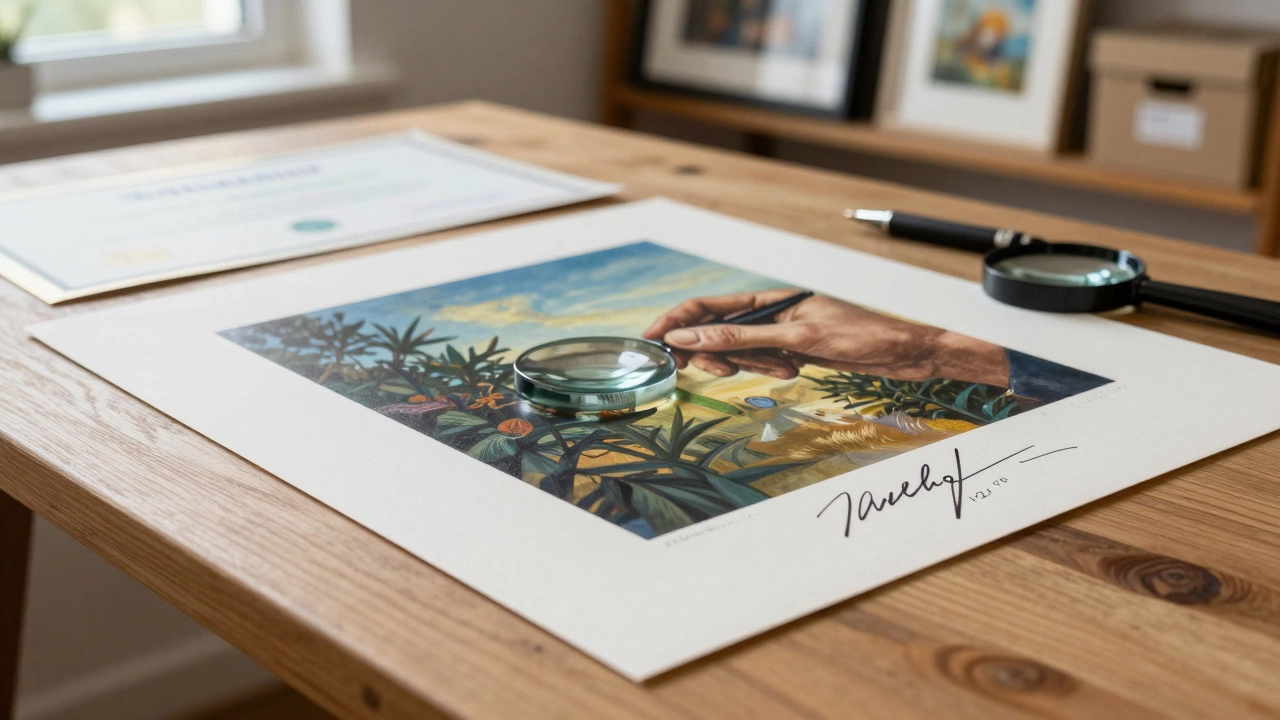
Art prints and posters look similar, but one is a lasting piece of fine art, the other is disposable decoration. Learn what makes a real art print and how to spot the difference before you buy.