Mar 12, 2026
What Is the Difference Between Modern Art and Traditional Art?
When you hear AI art, art created using artificial intelligence systems that learn from vast datasets of images and styles. Also known as generative art, it’s not just filters or auto-drawings—it’s a new way of making images that challenges old ideas about who or what can be an artist. This isn’t science fiction. Tools like Midjourney, DALL·E, and Stable Diffusion let anyone turn a text prompt into a full image in seconds. But behind that magic is a system trained on millions of real artworks—from Van Gogh’s brushstrokes to modern digital illustrations. That’s why AI art isn’t just about technology; it’s about influence, ownership, and creativity.
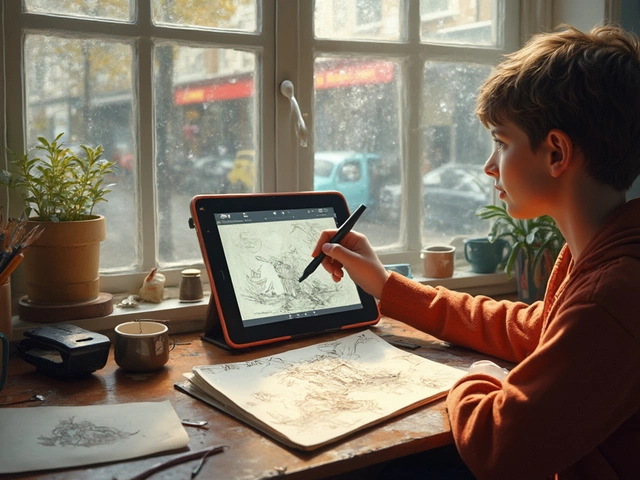
What makes AI art different from traditional digital art? Digital art, art made using digital tools like tablets and software, where the artist controls every stroke is still made by hand, even if it’s on a screen. AI art, on the other hand, is co-created. You give the direction, but the machine does the heavy lifting. That’s why people argue: is it art if you didn’t paint it? The answer isn’t yes or no—it’s about intent. Many artists now use AI as a sketchpad, a mood board, or a collaborator. They tweak outputs, combine layers, and blend them with hand-drawn elements. It’s not replacing artists—it’s giving them new tools. And just like oil paint or watercolor, the skill now lies in knowing how to guide the system, not just click generate.
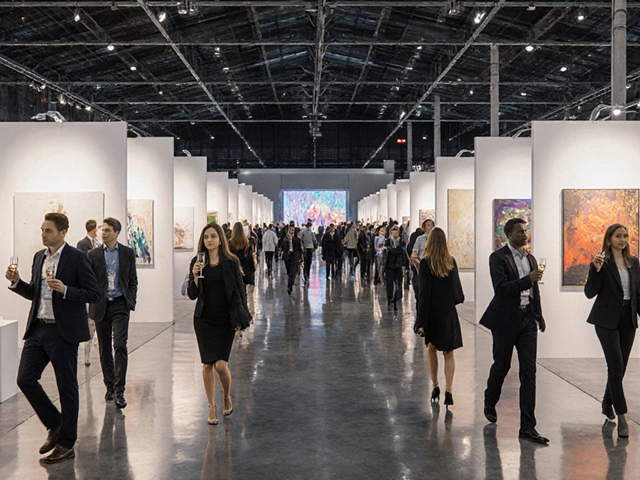
There’s also a big shift happening in the art world. Museums and galleries are starting to collect AI-generated pieces. Art fairs now have dedicated AI sections. And artists are selling prints of AI images for thousands of dollars. But here’s the catch: most of these tools pull from existing art without asking permission. That’s why legal and ethical questions are just as important as the tech. Who owns the image? The person who typed the prompt? The company that built the tool? Or the original artists whose work trained it? These aren’t theoretical debates—they’re real issues shaping how AI art is made and sold today.
What you’ll find in this collection isn’t hype or theory. It’s real talk from artists and makers who’ve tried these tools. You’ll see how AI fits into the same conversations we’ve always had about art—what’s worth making, what’s worth selling, and how to make something that feels human. Whether you’re curious about the apps people use, how AI compares to traditional digital art, or whether it’s even "real" art, the posts below cover what matters: the tools, the debates, and the work being made right now.

AI-generated art is the biggest trend in contemporary art in 2025, transforming how art is made, sold, and experienced. Artists are using AI not as a shortcut, but as a collaborator - blending technology with human intention to create powerful new work.