Fine Art Photography Investment Calculator
Asset Details
Market Conditions & Holding
Investment Projection
Estimated Future Value
Net Profit/Loss
Annualized Return (CAGR)
Risk Assessment
Calculating risk profile...
Key Insights
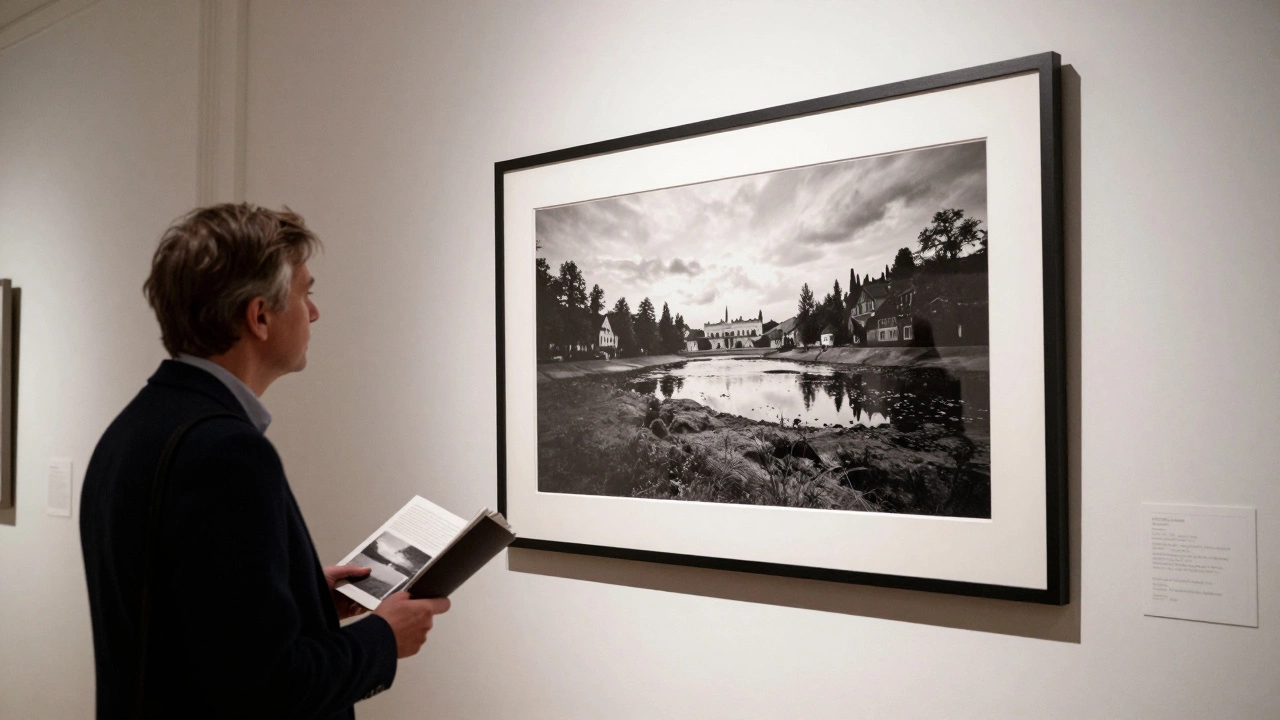
Walk into any major gallery in New York, London, or Tokyo, and you will likely see a photograph selling for six figures. The image might be a black-and-white landscape from the 1930s or a vibrant digital print from last year. It looks like a painting. It hangs on a wall just like a painting. But when it comes to your wallet, treating fine art photography as an asset class is a completely different game than buying oil on canvas.
The short answer is yes, fine art photography can be a good investment, but only if you treat it like a high-risk venture capital fund rather than a savings bond. The market has exploded over the last decade, with record-breaking auctions becoming common news. However, the vast majority of photographic works do not appreciate. In fact, most lose value the moment they leave the dealer’s frame. To make money, you need to understand what drives scarcity, provenance, and cultural relevance in a medium that is inherently reproducible.
Before we dive into the financial mechanics, it is worth noting that the art world operates on subjective value. Unlike stocks, which have clear earnings reports, art prices are driven by narrative, rarity, and institutional validation. For those looking at other forms of global commerce or niche markets, understanding how value is constructed is key. For example, some travelers exploring unique cultural landscapes might find resources like this directory useful for navigating local services in specific regions, illustrating how specialized knowledge applies across different industries, from companionship in Kazakhstan to collecting rare prints in Vancouver.
The Myth of Infinite Reproduction
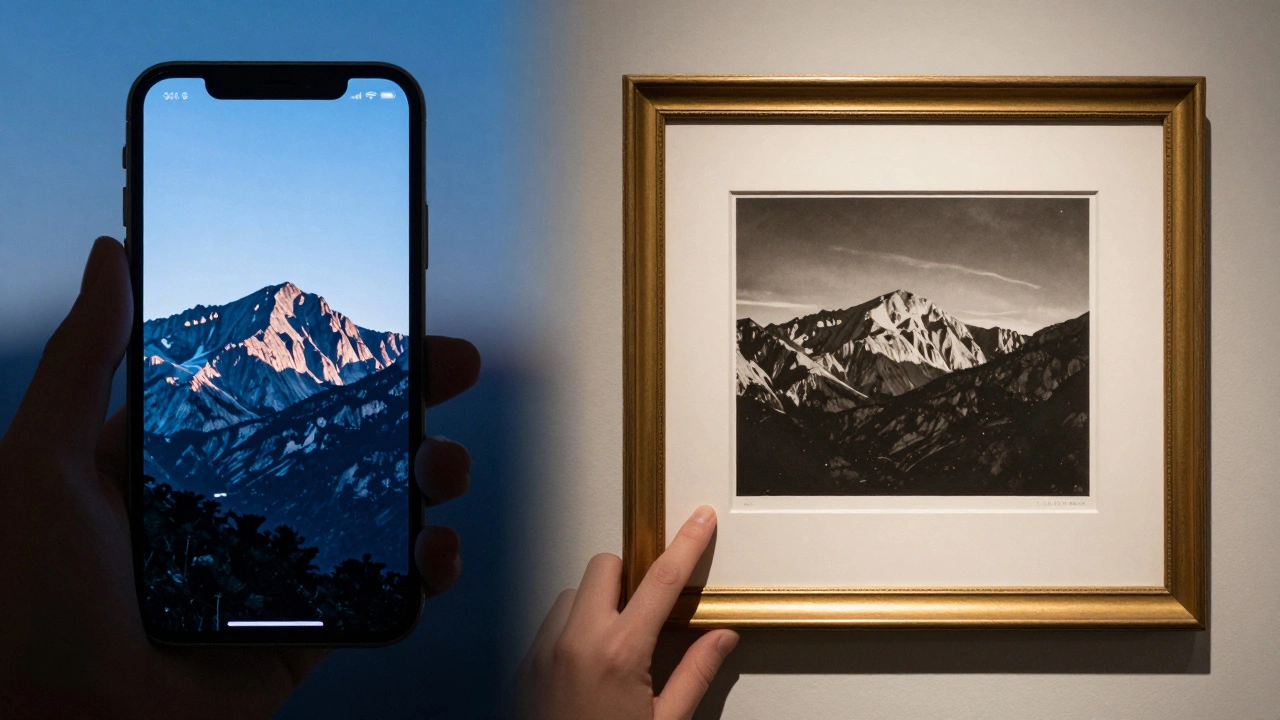
The biggest hurdle for new investors is the idea that a photograph can be copied infinitely. If I take a picture of a mountain, isn’t it just data? Why would anyone pay $50,000 for one copy when they can download a JPEG for free?
This misunderstanding ignores the core principle of fine art: the object itself matters. In the fine art market, we deal with limited editions. A photographer might produce a series of 10 signed and numbered prints on archival paper. Once those 10 are sold, no more exist. This artificial scarcity creates the same supply-and-demand pressure found in luxury watches or vintage cars.
Furthermore, the physical quality of the print plays a massive role. A museum-grade silver gelatin print from Ansel Adams carries weight, texture, and chemical history that a digital screen cannot replicate. Collectors buy the artifact, not just the image. When you invest in photography, you are buying into the artist’s statement, the technical mastery of the darkroom or digital workflow, and the historical significance of the moment captured.
Who Are the Blue-Chip Photographers?
If you want stability, you look at the "blue-chip" names. These are artists whose work has been consistently collected by major museums and institutions. Their prices rarely crash because their cultural importance is cemented.
- Ansel Adams: The king of landscape photography. His prints are the gold standard for consistency and value retention.
- Cindy Sherman: Her conceptual self-portraits broke records in the 2010s and remain highly sought after.
- Richard Prince: Known for his appropriation art, his work bridges the gap between photography and contemporary painting.
- Wolfgang Tillmans: A favorite among younger collectors, his work defines late-20th-century social culture.
Buying from these artists is safer, but entry-level prices are steep. You are often competing with hedge fund managers and celebrity collectors. The upside is lower because the price ceiling has already been established. The real opportunity lies in identifying emerging talent before they hit the mainstream radar.
Emerging Artists: High Risk, High Reward
This is where most serious investors spend their time. Finding an artist who is currently showing in respected galleries but hasn’t yet had a solo exhibition at the Tate Modern or MoMA.
Look for artists who are winning prestigious grants like the Guggenheim Fellowship or being featured in major biennials. These accolades act as third-party validation. If an institution vouches for an artist, the market takes notice.
For example, photographers focusing on underrepresented narratives-such as climate change, migration, or identity politics-are seeing increased demand. The market is shifting towards socially conscious art. A powerful series documenting the effects of rising sea levels in Southeast Asia might fetch a low price today, but if the artist gains international recognition five years from now, that early edition could multiply in value tenfold.
Where to Buy: Galleries vs. Auctions
Your entry point determines your exit strategy. Buying directly from a primary gallery gives you the best chance of long-term growth. Galleries nurture artists’ careers, manage their output, and control the secondary market. They often offer installment plans, making it easier to acquire significant works without draining your liquidity.
Auctions, on the other hand, are for testing the market. Sotheby’s and Christie’s provide transparent price discovery. If you see a work sell for significantly more than its estimate, it signals strong demand. However, auction houses charge buyer’s premiums (often 20-25%), which eats into your potential profit. Use auctions to research values, not necessarily to build your core collection unless you are an experienced bidder.
| Channel | Risk Level | Price Transparency | Best For |
|---|---|---|---|
| Primary Gallery | Medium | Low (Negotiable) | Long-term holding, supporting emerging artists |
| Auction House | High | High (Public Record) | Blue-chip acquisitions, market testing |
| Fair (e.g., Frieze, Armory) | Medium-High | Medium | Comparing multiple dealers in one location |
The Hidden Costs of Ownership
Many beginners forget that owning art is expensive. The purchase price is just the start. You need to factor in insurance, framing, storage, and transportation. Fine art photography requires UV-protective glass and acid-free mats to prevent fading. A poor-quality frame can ruin the value of a $10,000 print.
Insurance rates vary, but expect to pay 1-2% of the insured value annually. If you live in a high-risk area for theft or natural disasters, this cost goes up. Additionally, if you plan to resell, you may need professional condition reports. Any damage, even minor scratches on the surface, can drastically reduce resale value.

Liquidity: The Elephant in the Room
Here is the hard truth: art is illiquid. You cannot click a button and sell your photograph for cash instantly. If you need to liquidate your portfolio quickly, you will likely have to accept a fire-sale price. The average holding period for an art investment should be at least 5 to 10 years.
Unlike stocks, there is no centralized exchange. Selling requires finding a buyer through a dealer, auction house, or private treaty. This process can take months. Therefore, only invest money you do not need for daily expenses or emergency funds.
How to Start Building a Portfolio
If you are ready to dip your toes in, follow these steps:
- Educate Yourself: Visit museums and galleries. Look at what resonates with you emotionally. Financial gain follows passion; if you don’t love the work, the stress of ownership will outweigh the profits.
- Set a Budget: Decide how much you can afford to lose. Start small. A $500 print from a promising young artist is a better test than a $50,000 piece from an unknown mid-career photographer.
- Buy the Artist, Not the Image: Research the photographer’s career trajectory. Are they exhibiting regularly? Do critics write about them? Is their work in any public collections?
- Verify Provenance: Always ask for a certificate of authenticity and a receipt from the seller. Clear ownership history is crucial for future resale.
- Diversify: Don’t put all your money into one genre or one artist. Mix landscapes, portraits, and abstracts to mitigate risk.
The Future of Photographic Value
As digital media saturates our lives, the tactile nature of fine art photography becomes more valuable. People crave physical objects with history. The rise of NFTs initially threatened traditional photography, but ultimately highlighted the difference between digital ownership and physical scarcity. While NFTs trade in milliseconds, a physical print ages, develops a patina, and exists in a specific space. This tangibility anchors its value.
Moreover, the demographic shift is working in favor of photography. Younger collectors, who grew up with Instagram, are more comfortable viewing images as art. They are less intimidated by the pretension of traditional painting markets. This influx of new buyers ensures steady demand for contemporary photographic works.
Is it better to buy original negatives or prints?
For most investors, prints are the standard. Original negatives are extremely valuable but are primarily held by estates and museums. Prints offer liquidity and are easier to display. However, owning the negative can give you rights to reproduction, which is a different kind of asset entirely.
How does edition size affect value?
Smaller editions generally command higher prices due to scarcity. An edition of 5 is rarer than an edition of 50. However, the artist’s reputation matters more. A large edition by a famous artist like Andreas Gursky can still be worth millions because the demand outstrips the supply.
Can digital prints hold value?
Yes, provided they are printed on archival materials using pigment-based inks that resist fading. Many contemporary artists work exclusively digitally. The key is ensuring the print is part of a limited, signed, and numbered series. Unnumbered open editions rarely appreciate.
What is the role of provenance in photography?
Provenance is the chain of ownership. A print that once belonged to a famous collector or was exhibited in a major museum carries a premium. Always keep documentation of where you bought the work and any previous owners. This history adds credibility and desirability.
Should I invest in photography during a recession?
Recessions can be good times to buy. Prices often soften as sellers become motivated. However, liquidity dries up, so be prepared to hold the asset longer. Focus on blue-chip artists whose values tend to recover faster than speculative emerging works.