Art Exhibition Readiness & Strategy Planner
Not sure where to start? Answer these questions to find your ideal exhibition lane and ensure your submission package is ready.
0% Ready
Recommended Strategy
Submission Status
You’ve finished the work. You’ve framed it, maybe even hung it in your living room where it looks fantastic under that one specific angle of afternoon light. But now what? The leap from creating art to showing it publicly feels huge, often because the process is shrouded in mystery. Do you need a gallery agent? Do you need a degree? Can you just walk into a museum and ask?
The short answer is no, you don’t need all those things. But you do need a strategy. Participating in an art exhibition is less about luck and more about understanding how the ecosystem works-specifically, how galleries, curators, and organizers select and display work. Whether you are aiming for a prestigious biennial or a local community center showcase, the steps are surprisingly similar. Here’s how to navigate the path from studio to wall without losing your mind (or your budget).
Deciding Where You Want to Show
Before you start emailing people, figure out which type of exhibition fits your current career stage and goals. Not all shows are created equal, and targeting the wrong ones wastes time.
There are three main lanes:
- Commercial Galleries: These are businesses. They sell art. If you want representation, this is where you go. However, most commercial galleries only take artists they represent exclusively. Getting in usually requires an introduction or a very strong portfolio review request.
- Non-Profit Spaces & Artist-Run Initiatives: These venues focus on critical discourse, experimentation, and community. They often have lower sales expectations but higher prestige in academic or critical circles. Many operate via Open Calls.
- Art Fairs & Pop-Ups: High visibility, high cost. You’re renting space to sell directly to collectors. Great for building a client base, but expensive if you don’t sell enough pieces to cover booth fees.
If you’re new, start with non-profit spaces or juried group shows. They offer exposure without the crushing financial pressure of a solo commercial debut.
Finding Open Calls and Opportunities
You can’t apply if you don’t know the calls exist. While word-of-mouth is powerful, digital platforms have democratized access significantly. Stop refreshing Instagram randomly and start using targeted tools.
Platforms like Submittable, CallForEntry, and Artland aggregate opportunities. Set up alerts for your medium (e.g., "ceramics," "video art") and location. Also, keep an eye on local arts councils. They often fund exhibitions specifically for emerging local artists, which means less competition from international heavyweights.
| Exhibition Type | Cost to Artist | Prestige Factor | Sales Potential |
|---|---|---|---|
| Juried Group Show | $30-$75 entry fee | Medium | Low-Medium |
| Artist-Run Space | Free or Volunteer hours | High (Critical) | Low |
| Commercial Gallery | Commission split (40-60%) | Very High | High |
| Art Fair Booth | $1,000 - $10,000+ | Variable | Direct Sales |
Crafting Your Submission Package
This is where most artists fail. They send blurry photos taken on a bedsheet with bad lighting. Curators see hundreds of submissions. Yours needs to look professional before they even read your statement.
Your package typically includes:
- Images: High-resolution JPEGs (usually 2000px on the long side). No watermarks unless necessary. Crop tightly to the artwork. Show detail shots if the texture matters.
- Artist Statement: Keep it under 250 words. Explain *why* you make the work, not just *what* it is. Avoid jargon. If you can’t explain it simply, you don’t understand it well enough yet.
- CV (Curriculum Vitae): List exhibitions chronologically (most recent first). Include education, awards, and residencies. If you’re new, list every single show, even student exhibitions.
- Installation View: If possible, include one photo of your work installed in a previous setting. It proves you know how to hang work.
Pro tip: Tailor your statement slightly for each venue. If applying to a tech-focused gallery, mention digital influences. If applying to a traditional oil painting society, emphasize technique and lineage. Generic blasts get ignored.

Understanding Juried vs. Invited Shows
Know the difference so you don’t waste energy trying to force your way into an invited show.
Juried shows are open to anyone who pays the entry fee and submits work. A panel of judges (curators, collectors, other artists) selects the winners. This is meritocratic but subjective. Fees range from $20 to $100 per submission. Read the rules carefully. Some jurisdictions exclude members of their own board.
Invited shows are curated by a director or curator who reaches out to specific artists. You don’t apply; you get asked. To get invited, you need visibility. Attend openings, talk to curators, and build relationships. Don’t pitch them immediately. Ask questions about their program first.
The Logistics: Framing, Insurance, and Installation
Getting accepted is only half the battle. Now you have to get the physical object into the space without breaking it or going broke.
Framing: Most exhibitions require professional framing. Glass must be non-glare or museum glass if specified. Backing boards should be acid-free. Check the venue’s specs early. Bad framing gets rejected at check-in.
Insurance: Who insures the work while it’s hanging? Often, the artist retains liability until the sale. Some venues offer basic coverage, but it’s rare. Consider getting a rider on your homeowner’s insurance or buying temporary art insurance for large shows. Calculate the replacement value of your entire inventory.
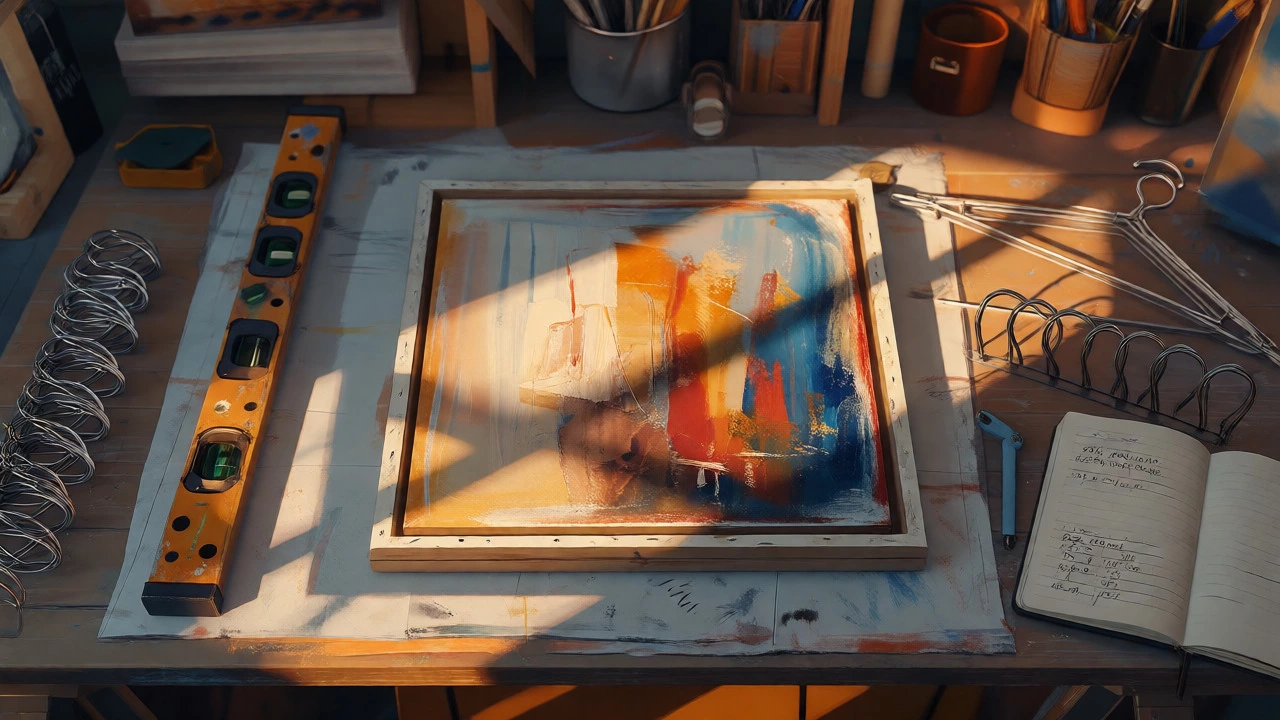
Installation: Will you install it yourself, or does the venue handle it? For small shows, you might be expected to help hang. Bring your own level, wire, and D-rings. For larger institutional shows, registrars handle installation. Coordinate delivery dates precisely. Late deliveries result in penalties or exclusion.

Networking During the Run
Once your work is up, don’t disappear. An exhibition is a marketing event. Collectors come to meet the artist, not just buy objects.
Host a reception if allowed. Even a simple opening night with wine helps. Have business cards ready with a QR code linking to your website or online shop. Take notes on who visits. Did someone linger on a specific piece? Follow up with a thank-you email within 48 hours. Mention the specific piece they liked. Personal touches convert browsers into buyers.
Also, document everything. Take high-quality photos of the installation view. Post them on social media tagging the venue and curators. This content serves as proof of your activity for future grant applications and CV updates.
Common Pitfalls to Avoid
I’ve seen artists sabotage their chances with simple mistakes. Here’s what to watch out for:
- Ignoring Deadlines: Submission portals close at midnight sharp. Time zones matter. Submit 24 hours early.
- Bad Communication: If you’re selected, respond quickly to emails. Ignoring logistical questions makes you look difficult to work with.
- Overpricing Early Work: Price consistently. If you price a small sketch at $500 and a large canvas at $500, buyers will question the logic. Use a formula based on size and material costs, then adjust for market demand.
- Neglecting the Website: When a collector sees your work at a show, they’ll look you up. If your website is broken or outdated, you lose the sale.
Next Steps After the Show
The exhibition ends, but the work continues. Return unsold pieces promptly. Send invoices for sold pieces immediately. Update your CV with the new exhibition date and venue name. Add the installation views to your portfolio.
Reflect on the experience. What worked? Did the lighting flatter your colors? Did the placement attract traffic? Use these insights to refine your next application. Participation is iterative. Each show builds momentum, credibility, and connections.
Do I need a gallery to participate in an art exhibition?
No. While commercial galleries represent artists, many exhibitions are organized by museums, non-profits, universities, or independent curators. These often accept direct submissions from unrepresented artists through open calls.
How much does it cost to enter an art exhibition?
It varies widely. Juried competitions often charge $20-$100 per submission. Non-profit spaces may be free but require volunteer hours. Commercial galleries typically take a commission (40-60%) rather than charging upfront fees, though some cooperative galleries charge monthly membership fees.
What should my artist statement include?
Your statement should briefly explain your artistic practice, themes, and materials. Focus on the 'why' behind your work. Keep it concise (under 250 words), clear, and free of excessive academic jargon. It should complement the visual work, not repeat it.
Who pays for shipping and insurance?
Typically, the artist covers shipping to the venue. Insurance responsibility depends on the contract. Many venues require artists to insure their work while it is on loan, especially during transit and installation. Always clarify this in writing before sending work.
Can I sell my work at an exhibition?
Yes, most exhibitions allow sales. In commercial galleries, the gallery handles the transaction and takes a commission. In non-profit or juried shows, the artist often sells directly to collectors, sometimes paying a small administrative fee (10-20%) to the organizing body.