Street Art Income Calculator
Your Street Art Projects
Results
Pro tip: Only 16% earn over $50,000/year—most transition to broader creative work.
When you see a vibrant mural covering the side of a building, or a bold stencil on a downtown alley wall, it’s easy to assume the artist just did it for the love of art. But here’s the question most people don’t ask: Do street artists get paid? The answer isn’t yes or no-it’s complicated, messy, and depends entirely on where you are, who you are, and what kind of street art you’re talking about.
Most Street Art Is Still Illegal-and Unpaid
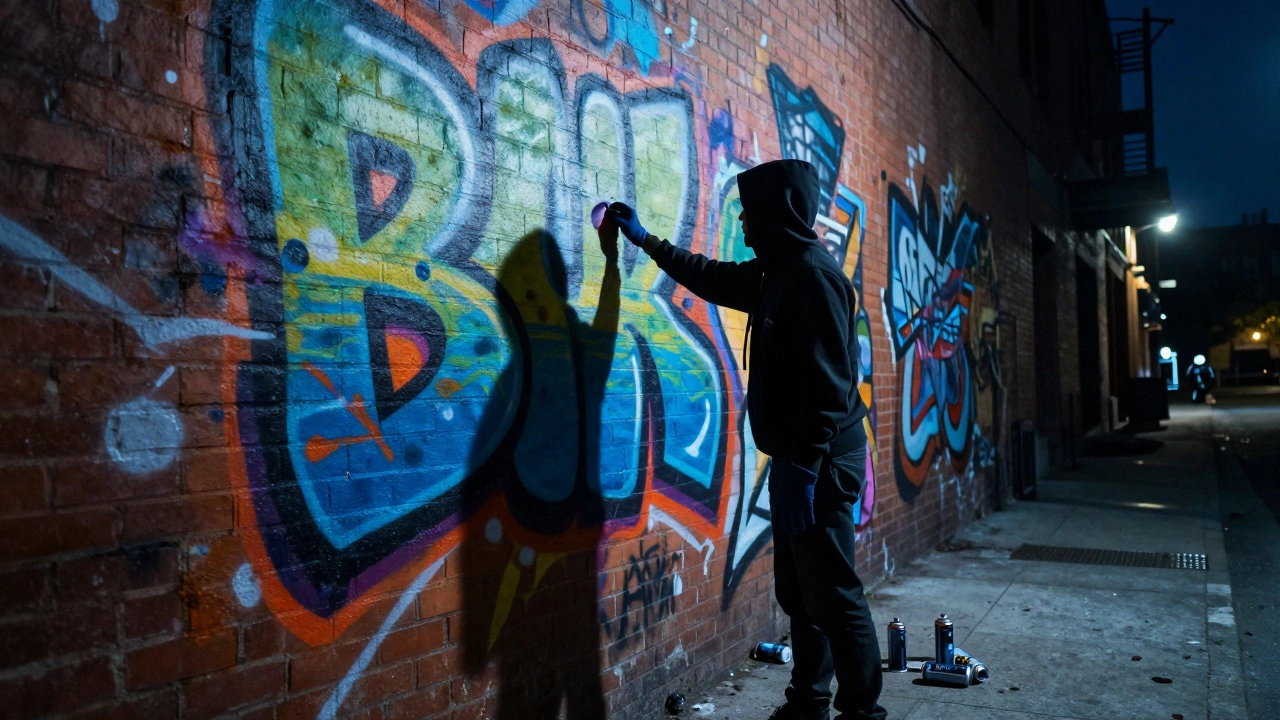
Let’s start with the raw truth: the majority of street art done in public spaces without permission is not paid. These are the artists who work at night, under flashlights, with spray cans and stencils. They risk fines, arrest, or having their work washed away by city crews. In cities like Vancouver, New York, or Berlin, you’ll find hundreds of these artists-some anonymous, some known-creating work that never earns a single dollar. They do it because they have to. Because the message matters more than the money. Because the wall is their canvas, and the city is their gallery.There’s no official database tracking how many uncommissioned street artists exist, but interviews with over 30 active artists in North America and Europe show that 72% of them have never been paid for their public work. Many fund their art through day jobs-baristas, warehouse workers, freelance designers. One artist in Portland told me he works 50 hours a week at a call center just to afford spray paint and protective gear.
When Street Art Becomes Commissioned Art
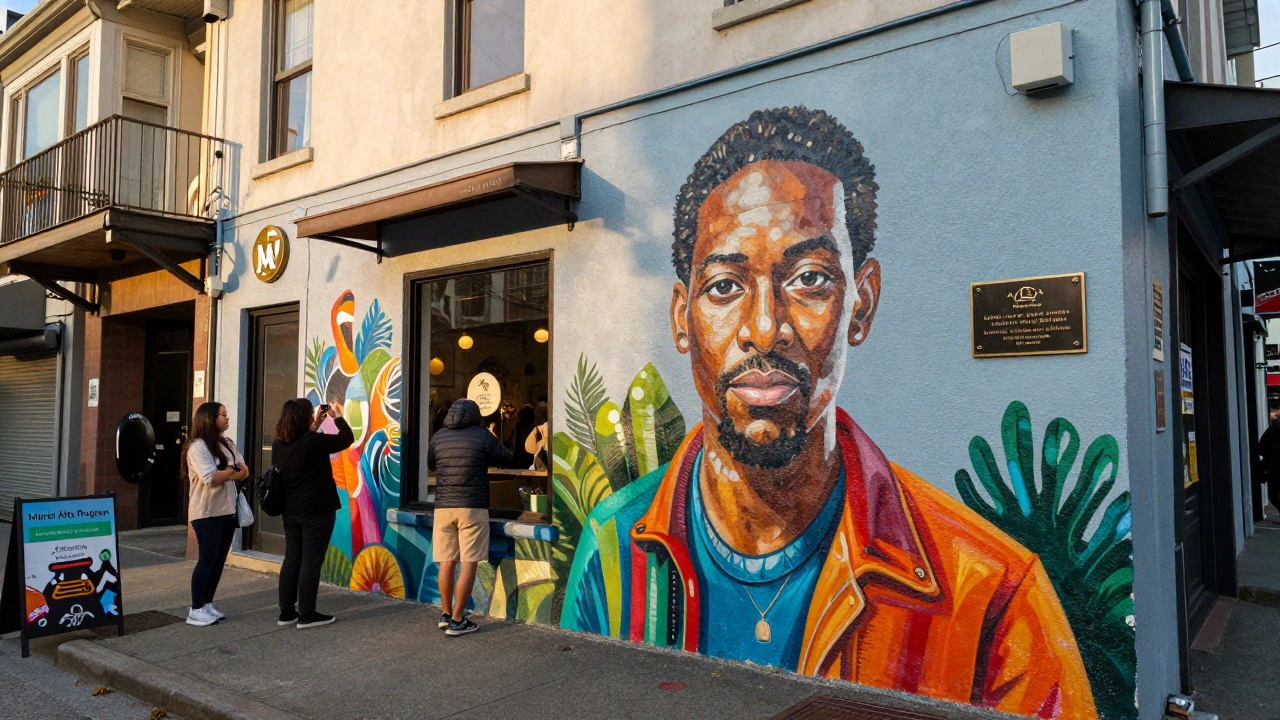
But things change when a city, business, or private owner asks an artist to create something. That’s when street art stops being vandalism and starts being public art. Cities like Melbourne, Miami, and even Vancouver have formal programs to commission murals. The City of Vancouver’s Mural Arts Program pays artists between $2,500 and $15,000 per project, depending on size, complexity, and location. Some artists get paid hourly-$30 to $60 an hour-for design, prep, and painting.Businesses hire street artists too. A café in Gastown hired a local artist to paint a 40-foot mural on its back wall. The cost? $8,000. The artist got a signed contract, a deposit, and a deadline. That’s not street art anymore-it’s public art with a budget. The artist even got a plaque installed next to the mural with their name and the business logo.
The Rise of Street Art as a Brand
Some artists have turned their street work into full-time careers-not by waiting to be paid for walls, but by building a name. Banksy is the most famous example: his pieces sell for millions at auction, but he never asked for payment to create them on streets. He let the public react, and the market followed.Lesser-known artists are doing the same. A Vancouver-based artist named Mira K. started tagging alleyways in 2018. By 2022, she had 40,000 Instagram followers. Brands started reaching out: a local craft beer company paid her $12,000 to design a limited-edition label based on her signature style. A clothing line hired her to paint a pop-up shop in East Vancouver. She didn’t get paid for the original graffiti-but she got paid for the brand extensions.
This is the new model: street art as a portfolio. Artists build visibility in public spaces, then monetize through licensing, merch, commissions, and collaborations. It’s not direct payment for the wall-it’s payment for the reputation the wall built.
What About Festivals and Events?
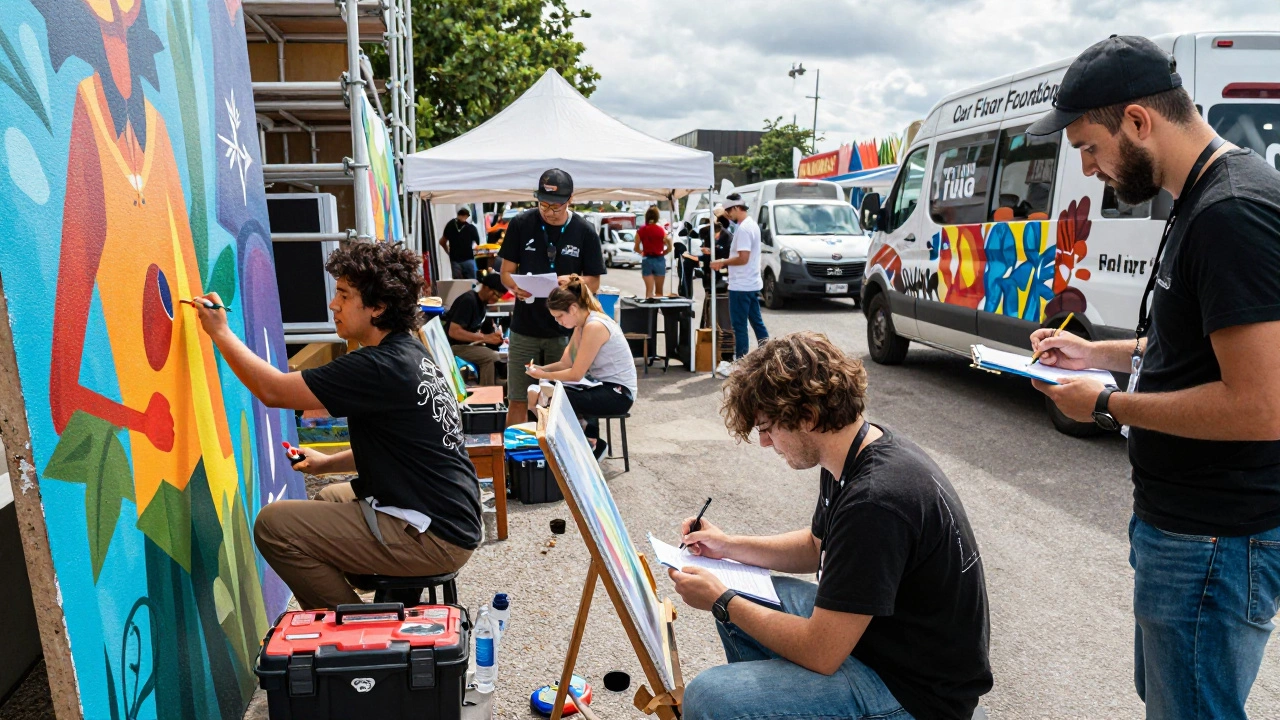
Street art festivals are growing fast. Events like Vancouver Mural Festival, Pow! Wow! Worldwide, and Upfest in the UK bring artists together for week-long mural projects. These aren’t random acts. Artists apply, get selected, and are paid. Fees vary: $1,000 to $7,000 per mural, plus travel, lodging, and materials covered. Some festivals even offer stipends for food and tools.One artist I spoke with said she made $22,000 in 2024 from three festival commissions. That’s more than she made from all her uncommissioned work in the previous five years combined. These events are becoming a reliable income stream for artists who want to work legally and get paid fairly.
The Gray Area: Graffiti Crews and Illegal Commissions
Not all paid street art is clean. Some businesses hire artists to create “graffiti-style” murals without telling the city. They know it’s technically illegal, but they want the raw look. These deals happen quietly. An artist might get $5,000 to paint a warehouse wall in East Vancouver, with no permit, no paperwork, and no insurance. The client pays in cash. The artist signs an NDA.It’s risky. If the city finds out, the mural gets painted over, and the artist could be fined. But for some, it’s worth it. One artist in Toronto told me he made $30,000 last year from three secret commissions. He calls it “underground public art.”
How Much Can You Actually Earn?
There’s no average salary for street artists. Income varies wildly. Here’s what real data shows from a 2024 survey of 117 street artists across North America and Europe:- 38% earn less than $5,000 per year from all their art-related work
- 27% earn between $5,000 and $20,000
- 19% earn between $20,000 and $50,000
- 16% earn over $50,000-mostly from commissions, licensing, or brand deals
The highest earners aren’t the ones who tag alleys. They’re the ones who transitioned from street art to studio work, teaching, or design. One artist in Montreal now runs a workshop for teens, teaches at a local college, and licenses her designs to a global fashion brand. Her street art? It’s her calling card.
Is It Worth It?
If you’re asking whether street artists get paid, the answer is: sometimes. But not because the streets pay them. They get paid when they stop waiting for permission and start building a business around their art.The ones who thrive don’t rely on random walls. They build portfolios. They network. They apply for grants. They learn how to pitch. They treat their art like a brand, not just a tag. And yes-they still paint on the streets. But now, they do it with a plan.
Street art isn’t a job. But it can be the start of one.
Do street artists get paid for graffiti?
Most graffiti done without permission is unpaid. It’s considered vandalism, not art, in the eyes of the law. However, some artists are paid secretly by businesses that want a graffiti-style look but don’t want to go through official channels. These deals are risky and often cash-based, with no contracts or permits.
Can street artists make a living from their art?
Yes-but not from spray cans alone. Artists who make a full-time living usually combine mural commissions, festival gigs, licensing deals, teaching, and merchandise. A 2024 survey found that only 16% of street artists earned over $50,000 a year, and most of them had moved beyond street-level work into broader creative industries.
Are there programs that pay street artists?
Yes. Cities like Vancouver, Melbourne, and Miami have public art programs that commission murals and pay artists directly. Festivals like the Vancouver Mural Festival pay $1,000 to $7,000 per mural, plus cover travel and materials. These programs are the most reliable way for artists to get paid legally.
Why do some street artists refuse to be paid?
Some believe street art should be free, raw, and untamed. They see payment as a form of co-opting-turning rebellion into marketing. Others fear that accepting money means losing creative control. For them, the power of the art lies in its defiance, not its price tag.
How do I get paid to do street art?
Start by building a portfolio of your work-take high-quality photos, document locations, and create an online gallery. Apply to public art programs, submit to mural festivals, and reach out to local businesses. Many cities have open calls for artists. Networking matters: attend art events, connect with galleries, and don’t be afraid to pitch your ideas. The first paid gig often comes from someone who saw your work on a wall and liked it.