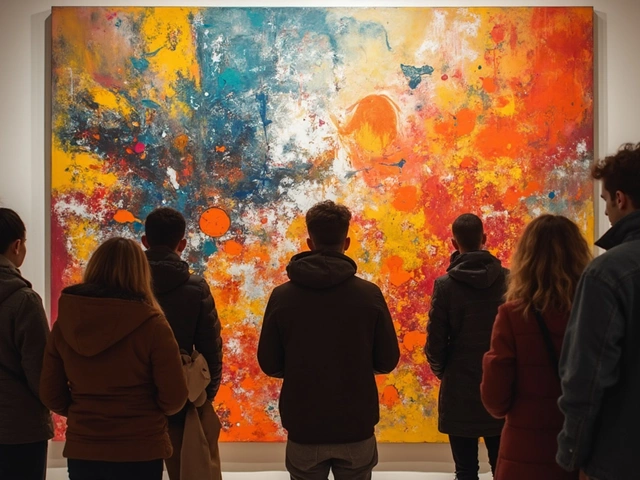
Gallery Representation ROI Calculator
Compare your potential earnings under different sales models. Adjust the inputs to see how gallery commissions affect your bottom line.
Your Sales Data
Select Gallery Model
Direct-to-Collector
Keep 100%Cons: You handle all marketing, shipping, and customer service
Traditional Blue-Chip
50% CommissionCons: Significant revenue share, less creative control, exclusivity requirements
Income Comparison
Difference: $0 more with Direct Sales
Key Insight
While direct sales offer higher immediate income, gallery representation provides access to collectors who may purchase multiple high-value works, institutional recognition, and long-term career stability that algorithms cannot guarantee.
Walk into any major art fair in New York or London today, and you will see the same old ritual. Collectors shake hands with gallerists, who then point to a canvas by an emerging artist. It feels like a scene from a movie set in the 1980s. But step outside that white cube space, open Instagram, or log onto Artsy, and the landscape looks completely different. Artists are selling directly to collectors worldwide without ever meeting a gatekeeper. So, the question isn't just whether galleries are dying; it's whether they are still necessary for your career.
In 2026, the answer is no longer a simple yes or no. The traditional model of gallery representation has fractured. For some artists, a gallery is still the golden ticket to institutional recognition and high-end markets. For others, it is an expensive bottleneck that slows down their income and creative freedom. You need to understand what a gallery actually does for you before you decide if you can live without one.
The Traditional Value Proposition
Let’s be clear about what a good gallery provides. It is not just a place to hang your work. A strong commercial gallery acts as a business partner. They handle the logistics that most artists hate: marketing, installation, insurance, shipping, and collector relations. When you sign with a reputable gallery, you are buying access to their network. This network includes wealthy private collectors, museum curators, and other institutions.
Consider the role of curatorial support. A gallery doesn’t just sell paintings; they build a narrative around your work. They help you refine your statement, choose which pieces to show together, and position you within the broader context of contemporary art. This curation adds value. A painting sold through a respected gallery often commands a higher price than the same painting sold via an artist’s website because the gallery’s reputation validates the quality and potential investment value of the work.
- Access to High-Net-Worth Collectors: Gallaries have lists of buyers who spend significant amounts on art.
- Credibility and Validation: Being represented signals to the market that your work meets certain professional standards.
- Logistical Management: They handle contracts, payments, and international shipping complexities.
- Long-Term Career Planning: Good galleries think in decades, not just months, helping you build a sustainable legacy.
The Rise of Direct-to-Collector Sales
On the flip side, technology has democratized art sales in ways that were impossible twenty years ago. Platforms like Instagram, Etsy, and specialized sites like Artsy allow artists to reach global audiences instantly. You can set up a Shopify store in an afternoon and start selling prints or original works to anyone with a credit card. This direct-to-consumer model means you keep 100% of the profit instead of giving away 50% to a gallery.
This shift is particularly powerful for artists working in digital mediums or creating affordable-priced originals. If your work sells for $500 to $2,000, the overhead of a traditional gallery might not make sense for either party. In this price range, volume matters more than prestige. Social media algorithms reward consistency and engagement, allowing artists to build loyal communities without needing a curator’s endorsement. Many successful independent artists now manage their own email lists, host virtual exhibitions, and ship directly from their studios.
However, there is a catch. Managing your own brand requires time you could spend making art. You become your own marketer, customer service rep, and accountant. While you keep all the money, you also take on all the risk. If your algorithm changes or your social media account gets shadowbanned, your sales can dry up overnight. Galleries provide stability that algorithms cannot.
Gallery Models in 2026: Not All Galleries Are the Same
The term "gallery" covers a wide spectrum. Understanding these differences is crucial for making the right choice. Not every gallery operates on the traditional 50/50 split or focuses on exclusive representation.
| Gallery Type | Typical Commission | Primary Focus | Best For |
|---|---|---|---|
| Traditional Blue-Chip | 50% | High-end collectors, museums | Established artists seeking institutional validation |
| Emerging Artist Gallery | 40-50% | Building careers, local markets | Mid-career artists needing exposure |
| Online Art Platform | 15-30% | Volume sales, global reach | Artists selling mid-range prices ($500-$5k) |
| Pop-Up / Project Space | Variable (often lower) | Experimental work, community building | Artists testing new ideas or networking |
Some modern galleries operate more like agencies. They may charge a lower commission but require you to cover production costs for shows. Others offer non-exclusive deals, allowing you to sell through multiple channels simultaneously. These hybrid models are becoming increasingly common as the industry adapts to economic pressures and changing collector behaviors.
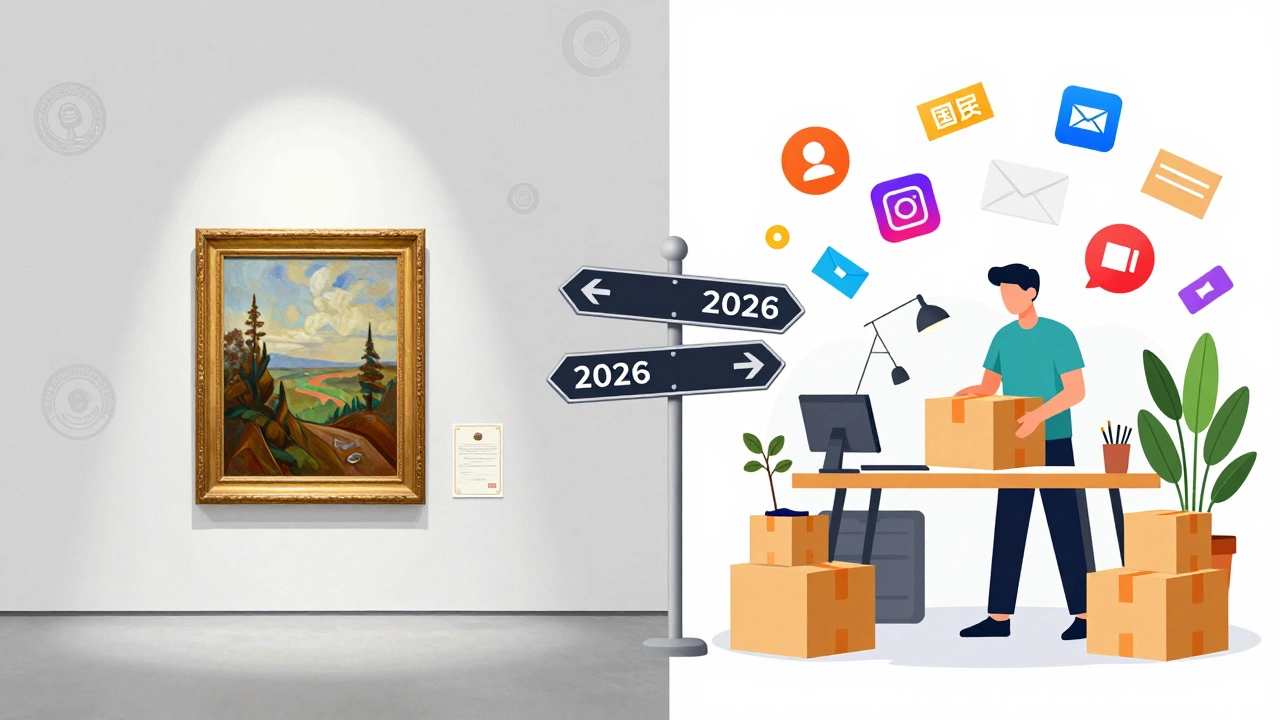
When Do You Actually Need a Gallery?
You don’t need a gallery to make a living from art, but you might need one to scale beyond a certain ceiling. If your goal is to have your work acquired by major museums, featured in biennials, or collected by billionaires, a gallery is almost essential. These circles are closed ecosystems. Access is granted through trusted intermediaries-gallerists-who vouch for your talent and professionalism.
Consider the concept of provenance. In the high-end art market, provenance is everything. A piece sold through a recognized gallery comes with a documented history, authenticity guarantees, and resale value protection. Private sales lack this layer of security for serious investors. If you aim to play in the top tier of the art world, you need the infrastructure that only established galleries can provide.
Additionally, galleries offer critical feedback. Working closely with a director who sees hundreds of artists can sharpen your practice. They challenge your ideas, suggest improvements, and push you out of your comfort zone. This mentorship aspect is invaluable for artistic growth, even if it doesn’t immediately translate to sales.
Red Flags: Signs a Gallery Isn’t Worth It
Not all galleries act in your best interest. Some exploit emerging artists for cheap labor or free rent. Before signing any contract, look out for these warning signs:
- You Pay to Show: If you are asked to pay for framing, installation, or marketing costs upfront, walk away. Legitimate galleries invest in you.
- Vague Communication: If the gallerist is unreachable or fails to send sales reports, they are not managing your career.
- No Marketing Plan: A gallery should have a strategy for promoting your work beyond just hanging it on a wall.
- Exclusive Contracts Without Support: Be wary of long-term exclusivity clauses if the gallery has no track record of selling similar work.
A healthy relationship is a partnership. Both parties should benefit. If you feel like an employee rather than a collaborator, the arrangement is likely unsustainable.

Building Your Own Infrastructure
If you decide to go independent, you must treat your art practice like a small business. This means investing in tools that replace the functions of a gallery. Start by building a robust online presence. Your website should be clean, easy to navigate, and optimized for search engines. Use high-quality images and detailed descriptions for each piece.
Email marketing is your most powerful tool. Unlike social media, you own your email list. Send regular newsletters sharing your process, upcoming shows, and new work. Engage with your subscribers personally. Build relationships with collectors directly. Attend art fairs as a vendor to meet people face-to-face. Join artist collectives to share resources and costs. By building your own network, you reduce dependency on any single platform or intermediary.
Remember, independence requires discipline. You need to consistently create content, manage finances, and engage with your audience. It is hard work, but it offers total control over your creative direction and financial outcomes.
Finding the Right Fit
So, how do you decide? Start by defining your goals. Do you want quick cash flow or long-term legacy building? Do you prefer creative freedom or structured guidance? There is no wrong answer, only different paths.
If you lean toward independence, focus on mastering digital marketing and customer service. If you lean toward representation, research galleries carefully. Look at their roster. Do they represent artists whose work aligns with yours? Visit their shows. Talk to current artists. Ask questions about communication, promotion, and sales expectations. Trust your instincts. The right gallery will feel like a natural extension of your practice, not a constraint.
Ultimately, the art world is evolving. The binary choice between "gallery" and "no gallery" is fading. Many successful artists today use a hybrid approach. They maintain a primary relationship with a supportive gallery while also selling directly through their website and social media. This balanced strategy maximizes reach while preserving autonomy. You define your success, not the system.
How much commission do galleries typically take?
Traditional commercial galleries usually take 50% of the sale price. Online platforms may take between 15% and 30%. Some emerging artist galleries might negotiate slightly lower rates, but 50% remains the industry standard for physical representation due to the costs of space, staffing, and marketing.
Can I sell my art without a gallery?
Yes, absolutely. Many artists successfully sell directly through their websites, social media, and art fairs. This approach allows you to keep all profits but requires you to handle marketing, customer service, and logistics yourself.
What are the benefits of having gallery representation?
Galleries provide access to established collector networks, curatorial support, professional marketing, logistical management, and credibility within the art world. They help build your long-term career trajectory and institutional presence.
Should I join a gallery if I am just starting out?
It depends on your goals. If you seek rapid exposure and mentorship, an emerging artist gallery can be helpful. However, many artists prefer to build a solid body of work and online presence first before seeking representation, giving them more leverage in negotiations.
Is exclusive representation always required?
No. While traditional galleries often demand exclusivity, many modern arrangements allow for non-exclusive deals. This lets you work with multiple partners or sell directly alongside gallery representation. Always clarify terms before signing.