Portrait Canvas Size & Profit Estimator
Enter your estimated production costs to see how different canvas sizes impact your bottom line.
Market Analysis
Financial Projection
| Your Cost: | |
| Est. Shipping Cost: | |
| Suggested Sale Price: | |
| Net Profit: |
You’ve spent weeks perfecting the shading on a subject’s cheekbone. The eyes have that spark. The hair texture is right. You stretch the canvas, frame it, and post it to Instagram or Etsy. And then? Silence. Or worse, a lowball offer that barely covers your paint costs. Why does this happen? Often, it isn’t the skill-it’s the size.
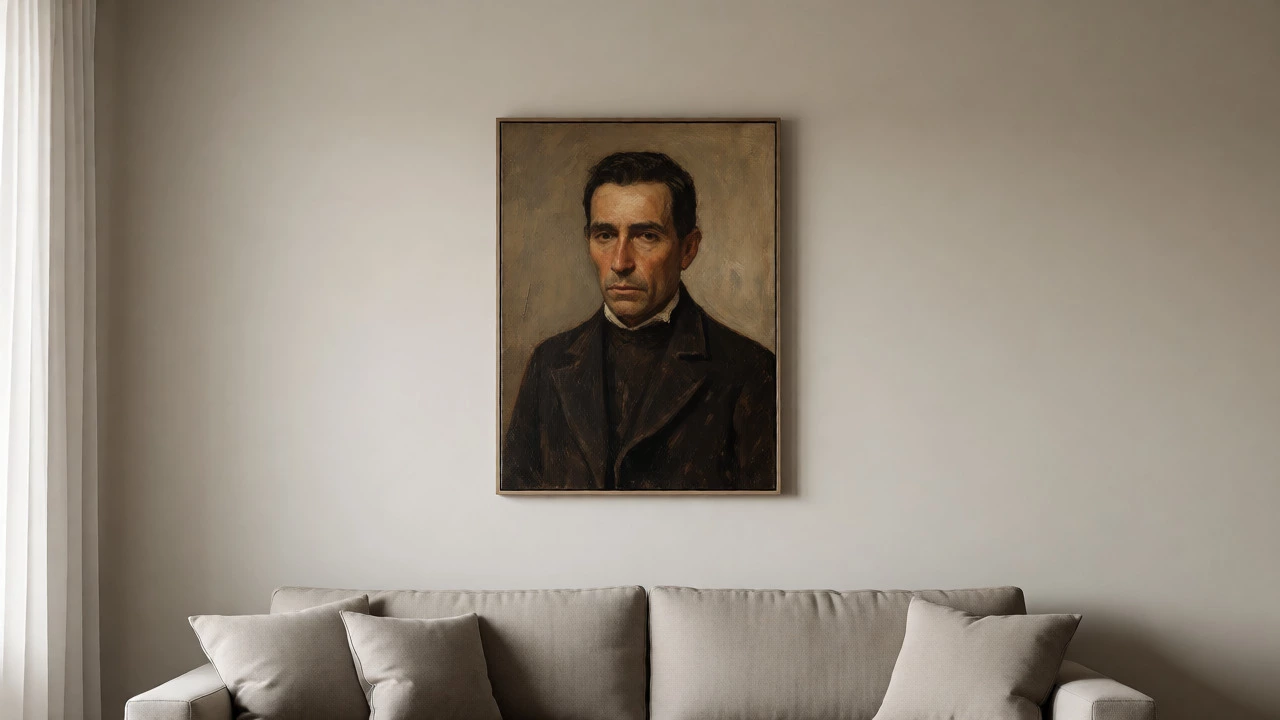
Here’s the uncomfortable truth about portrait painting: buyers don’t just buy art; they buy space. They need something that fits above their sofa, beside their bed, or in a narrow hallway. If your canvas is too big, it doesn’t fit their wall. If it’s too small, it looks like a sketch, not a finished piece. This mismatch kills sales faster than bad composition ever could.
The Sweet Spot: Why Medium-Sized Canvases Dominate Sales
If you look at data from major online art platforms like Saatchi Art, Etsy, and Artsy, a clear pattern emerges. The highest volume of sales happens with canvases between 16x20 inches (40x50 cm) and 24x36 inches (60x90 cm). These are the "Goldilocks" sizes. They are large enough to command respect and detail but small enough to ship cheaply and hang easily.
Why do these specific dimensions work so well? Think about standard furniture. Most sofas are roughly 84 inches wide. A 24x36 inch portrait centered above it leaves balanced negative space on both sides. It feels intentional, not cramped. Conversely, a 40x60 inch piece might overwhelm a smaller living room or require professional installation, which adds friction to the buying process.
For artists working in oils or acrylics, this range also hits a production efficiency peak. You can complete a detailed portrait in a reasonable timeframe without burning out, allowing you to maintain inventory levels. If you’re trying to make a living from art, consistency matters more than occasional masterpieces. Producing five sellable 16x20 pieces is often smarter than one massive 40x60 piece that sits unsold for two years.
| Size Range | Typical Use Case | Sales Volume | Price Point | Shipping Difficulty |
|---|---|---|---|---|
| Small (8x10", 11x14") | Gifts, desk decor, entry-level collectors | High | $50 - $200 | Low (Flat mailers) |
| Medium (16x20", 24x30") | Living rooms, bedrooms, office walls | Very High | $300 - $800 | Medium (Standard boxes) |
| Large (30x40", 36x48") | Statement pieces, lobbies, large spaces | Low | $1,000+ | High (Freight/Courier) |
| Extra Large (48x60"+) | Gallery shows, corporate commissions | Very Low | $2,500+ | Very High (Specialized) |
Orientation Matters: Vertical vs. Horizontal Portraits
Since we are talking specifically about portraits, orientation is critical. Unlike landscapes, which often sell horizontally because they mimic human field of vision, portraits usually sell better vertically. Why? Because humans are vertical beings. We stand up. Our bodies are tall. A vertical canvas naturally frames the head and shoulders or the full figure without awkward cropping.
Data from portrait-specific commissions suggests that vertical formats account for nearly 70% of custom orders. When clients ask for a portrait of their child or spouse, they rarely request a wide horizontal crop unless it’s a group shot. Stick to vertical proportions for solo subjects. Save horizontal formats for couples, families, or pets where width accommodates multiple subjects comfortably.
However, there is an exception: the "environmental portrait." If you are painting someone within their workspace or home setting, a square format (like 24x24 inches) can be incredibly effective. Squares feel modern and architectural. They fit well in grid-style gallery walls, which are popular in contemporary interior design. But if you are doing traditional head-and-shoulder studies, keep it vertical.
The Hidden Cost of Shipping: How Size Eats Profit
Let’s talk money. You might think bigger canvas equals bigger profit. Not necessarily. Once you cross the 24x36 inch threshold, shipping costs skyrocket. In Canada and the US, standard parcel services (like UPS Ground or FedEx Home Delivery) have dimensional weight limits. A 30x40 inch canvas often triggers "oversize" fees or requires freight shipping, which can cost $50-$100+ domestically.
Compare this to a 16x20 inch canvas. You can pack it flat between two sheets of cardboard, wrap it in bubble wrap, and slide it into a rigid mailer. That might cost $15-$25 to ship. The buyer perceives the price difference as minor, but your margin shrinks drastically on larger pieces unless you raise prices significantly. And raising prices too high puts you in competition with established gallery artists who have brand recognition.
Pro Tip: Always calculate your "landed cost" before choosing a size. Landed cost includes materials, labor, packaging, insurance, and shipping. If a 36x48 inch piece costs you $400 to make and ship, but you can only sell it for $600, you’re making less hourly wage than if you sold three 16x20 pieces for $200 each (total $600 revenue, lower risk).
Niche Markets: Miniatures and Oversizes
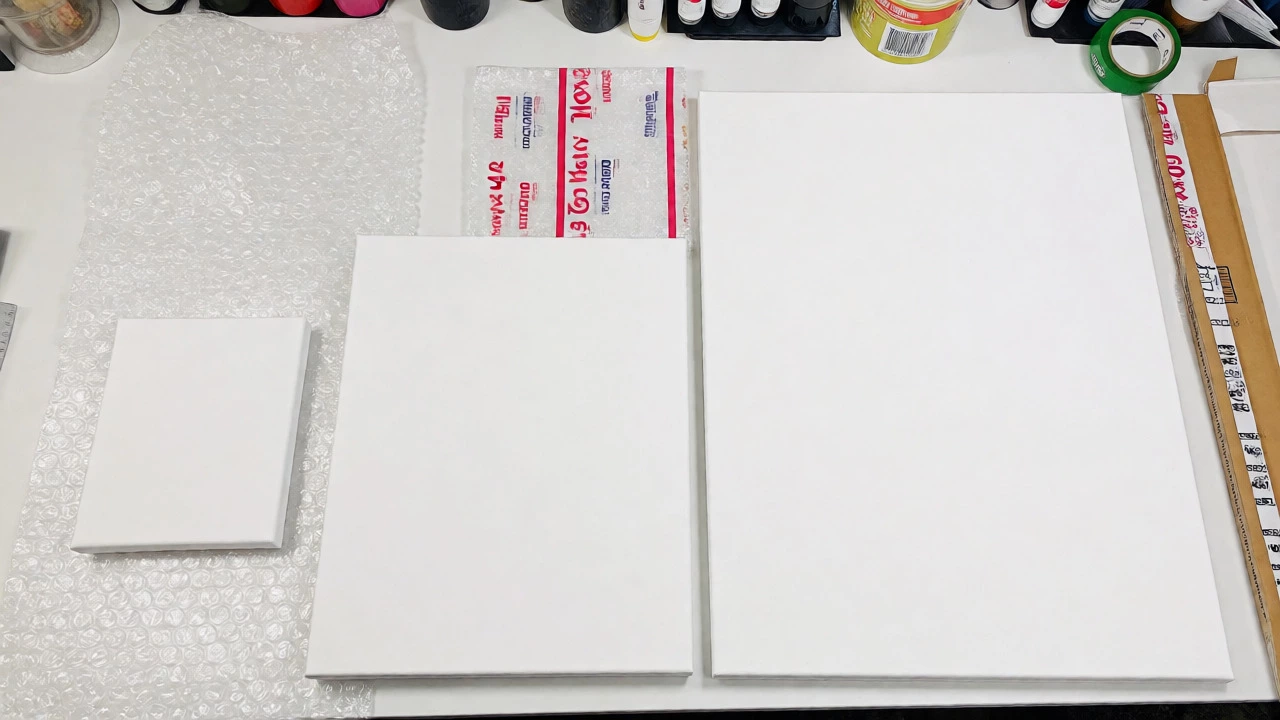
While medium sizes dominate volume, don’t ignore the extremes. There are dedicated niches for very small and very large works.
- Miniatures (Under 8x10 inches): These sell surprisingly well as gifts. Think holiday markets, wedding favors, or pet portraits. People buy them impulsively because the price point is low ($50-$150). They require high technical skill relative to size, which can justify a higher per-inch rate. Great for building a collector base that eventually buys larger works.
- Oversizes (Over 40x60 inches): These are statement pieces. They don’t sell often, but when they do, they sell for premium prices. Corporate offices, hotels, and luxury homes want these. The catch? You need storage space and patience. Don’t rely on these for monthly rent. Treat them as portfolio anchors that draw attention to your smaller, faster-selling works.
In Vancouver, for example, I’ve noticed a trend in local galleries favoring mid-to-large squares (30x30 inches) for contemporary portraiture. It breaks the mold of traditional rectangular portraits and appeals to younger collectors decorating condos with limited wall height.
How to Test Your Market Before Committing
You don’t have to guess. You can test demand before wasting expensive linen and oil paints. Here is a simple strategy:
- Create Digital Mockups: Take photos of your existing portraits and place them in virtual room settings using apps like Canva or specialized art visualization tools.
- A/B Test on Social Media: Post two versions of similar style work-one cropped to a small size, one shown as a large statement piece. Ask followers which they would hang in their home. Engagement metrics (likes, saves, comments) give you qualitative data.
- Offer Limited Editions: Print giclée reproductions in different sizes. See which print sizes sell fastest. While prints aren’t originals, the size preference often correlates with original painting demand.
- Analyze Competitor Listings: Go to Etsy or Saatchi Art. Filter by "Portrait" and sort by "Best Seller" or "Most Recent Sales." Note the dimensions of the top 20 results. You’ll likely see a heavy concentration in the 16x20 to 24x30 range.
Pricing Strategy Based on Size
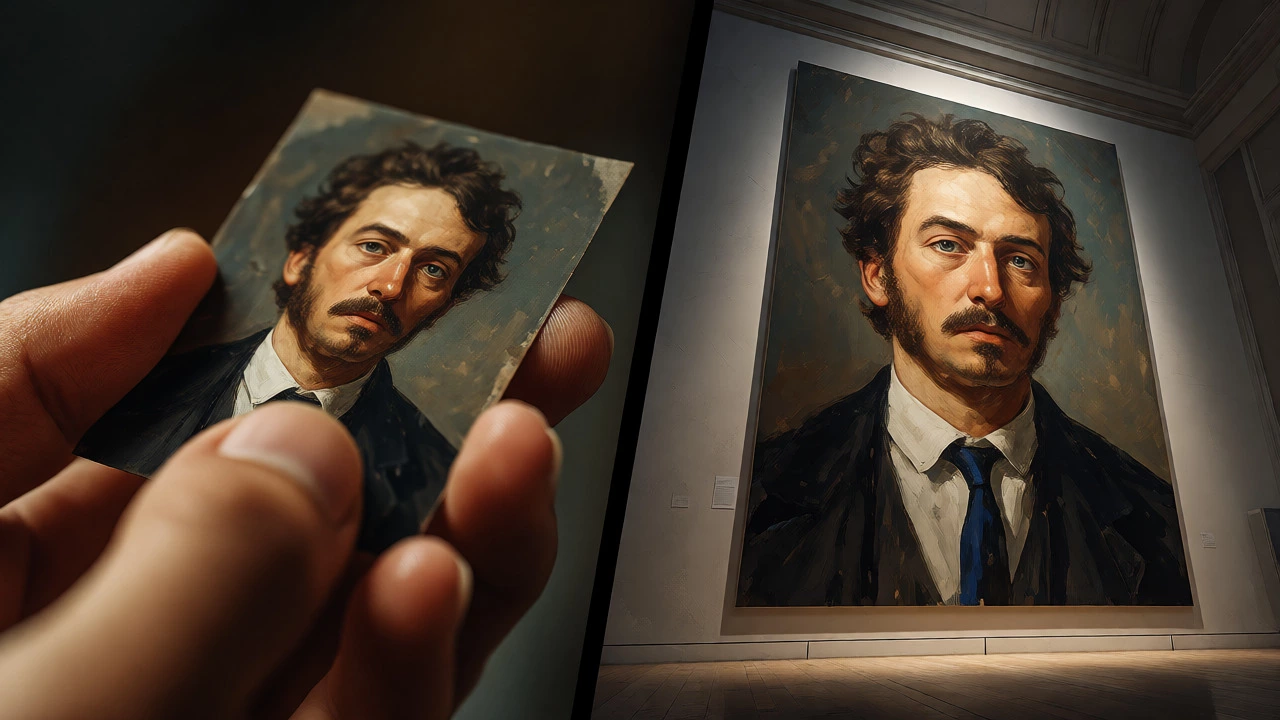
Don’t use a linear formula for pricing based solely on surface area. A 24x36 inch painting shouldn’t cost exactly twice as much as a 12x18 inch painting. Complexity, time, and perceived value matter more.
Use a tiered approach:
| Canvas Size | Base Price Formula | Psychological Factor |
|---|---|---|
| Small (up to 12x16") | Materials + Hours x Hourly Rate | Impulse Buy / Gift |
| Medium (16x20" to 24x36") | (Materials + Hours x Rate) x 1.5 | Main Wall Decor |
| Large (30x40" and up) | (Materials + Hours x Rate) x 2.5 | Status Symbol / Investment |
Notice the multipliers. Larger works carry higher perceived value. Buyers expect to pay a premium for scale because they associate it with effort and presence. Don’t underprice your large works just to move them. Instead, ensure your marketing highlights the craftsmanship required to execute details at that scale.
Final Thoughts: Fit the Space, Not Just the Style
Choosing the right canvas size is part business strategy, part artistic choice. You want to create work you love, but you also want to get paid. For most independent portrait painters, focusing on the 16x20 to 24x36 inch vertical range offers the best balance of demand, ease of shipping, and fair compensation.
Start there. Build your inventory around those dimensions. Once you have a steady stream of sales and a loyal following, experiment with larger scales for special commissions or gallery shows. Remember, the goal isn’t to paint the biggest picture in the room-it’s to paint the picture that fits perfectly in someone’s life.
What is the most common canvas size for selling portraits?
The most commonly sold sizes for portraits are 16x20 inches (40x50 cm) and 24x36 inches (60x90 cm). These dimensions fit standard residential walls and are cost-effective to ship, making them attractive to both buyers and sellers.
Do larger canvases sell for more money?
Generally, yes, larger canvases command higher prices due to perceived value and material costs. However, they sell less frequently and incur significantly higher shipping and storage costs, which can reduce net profit margins compared to medium-sized works.
Should portraits be painted vertically or horizontally?
Vertical orientations typically sell better for individual portraits because they align with the natural proportions of the human body. Horizontal formats are preferred for group portraits, couples, or environmental scenes where width is necessary to include context.
How does canvas size affect shipping costs?
Canvases over 24x36 inches often exceed standard parcel dimensions, triggering oversize fees or requiring freight shipping. Smaller canvases (under 16x20 inches) can often be shipped flat in rigid mailers, keeping costs low and reducing the risk of damage during transit.
Are square canvases good for selling art?
Square canvases (e.g., 24x24 inches) are gaining popularity in contemporary markets. They work well for modern interiors and gallery walls. While they may not outsell traditional rectangles, they offer a unique aesthetic that can differentiate your portfolio in crowded online marketplaces.