Photography History Knowledge Check
Ask ten people who the most famous photographer in history is, and you’ll likely get ten different answers. You might hear Annie Leibovitz, whose portraits of celebrities define modern visual culture. Others will argue for Ansel Adams, the man who turned landscapes into spiritual experiences. Then there’s Henri Cartier-Bresson, the father of street photography, or Dorothea Lange, whose images changed social policy. Fame in photography isn’t just about having your name on a lens; it’s about cultural impact, technical innovation, and the ability to capture a moment that resonates across generations.
There is no single "most famous" photographer because fame operates in different lanes. Some are famous for their artistry, others for their journalism, and some for their commercial success. To understand who holds the crown, we need to look at the giants who defined these categories and why their work still matters today.
The Portrait Powerhouse: Annie Leibovitz
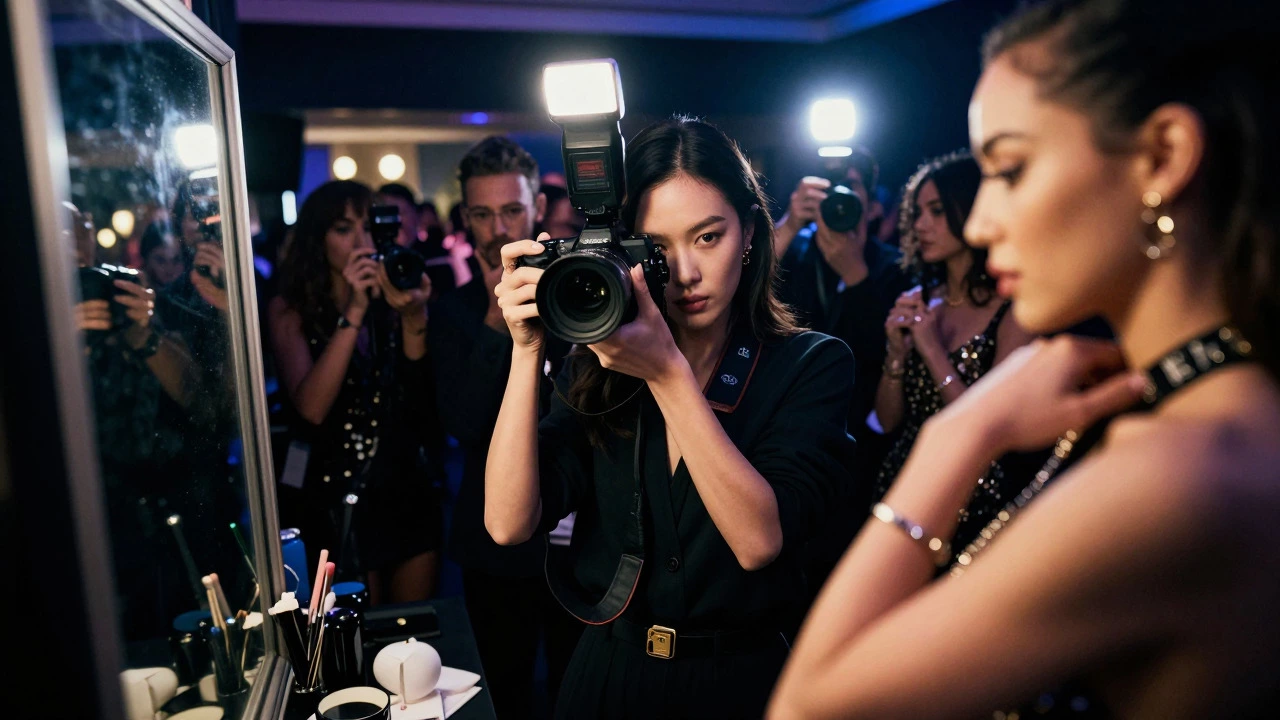
If fame is measured by recognition among the general public, Annie Leibovitz is arguably the most famous photographer alive. She didn’t just take pictures of famous people; she created the visual language of celebrity. Working primarily for Vanity Fair and Vogue, Leibovitz has photographed every U.S. president since Ronald Reagan, along with icons like John Lennon, Yoko Ono, Princess Diana, and Taylor Swift.
Her style is theatrical, often staged, and deeply narrative. Unlike traditional portraitists who sought to reveal the subject’s true self, Leibovitz often constructs a persona. Her image of a pregnant Demi Moore on the cover of Vanity Fair in 1991 sparked national debate, proving that her photos weren’t just records-they were cultural events. For many, "famous photographer" equals Leibovitz because her work is everywhere: magazine covers, billboards, and museum exhibitions worldwide.
The Master of Light and Landscape: Ansel Adams
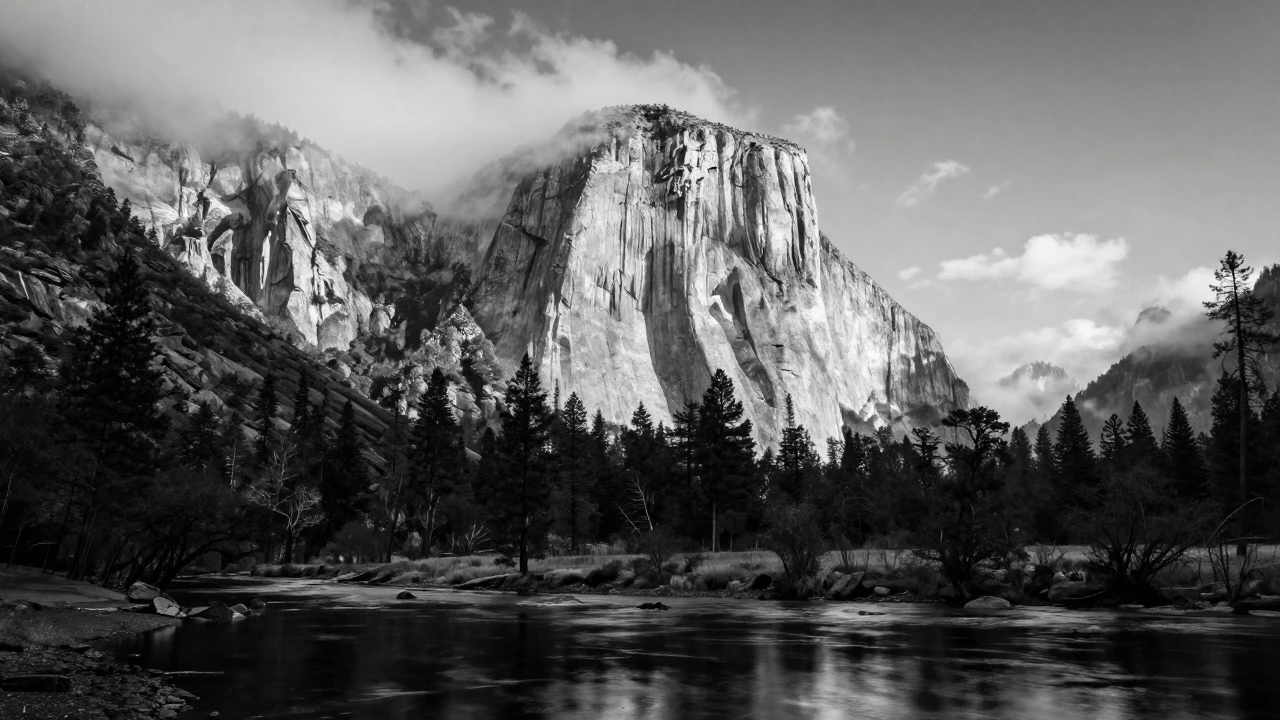
While Leibovitz dominates pop culture, Ansel Adams owns the realm of fine art and nature photography. His black-and-white images of Yosemite National Park and the American West are so iconic that they have become the standard for how we perceive wilderness. Adams didn’t just photograph landscapes; he advocated for them. He was a key figure in the Sierra Club and used his camera as a tool for environmental conservation.
Adams developed the Zone System, a technique that allows photographers to precisely control the tonal range of an image from pure black to pure white. This technical mastery gave his photos a dramatic, high-contrast look that feels both realistic and surreal. If you’ve ever seen a majestic mountain shot with deep blacks and bright highlights, you’re seeing the influence of Adams. His fame comes from bridging the gap between scientific precision and artistic emotion, making him a household name in the art world.
The Decisive Moment: Henri Cartier-Bresson
In the world of street photography and photojournalism, Henri Cartier-Bresson is the undisputed king. He coined the term "the decisive moment", which refers to the split second when all elements in a scene align perfectly to tell a story. Bresson traveled the world with a Leica camera, capturing candid moments of everyday life that revealed deeper truths about the human condition.
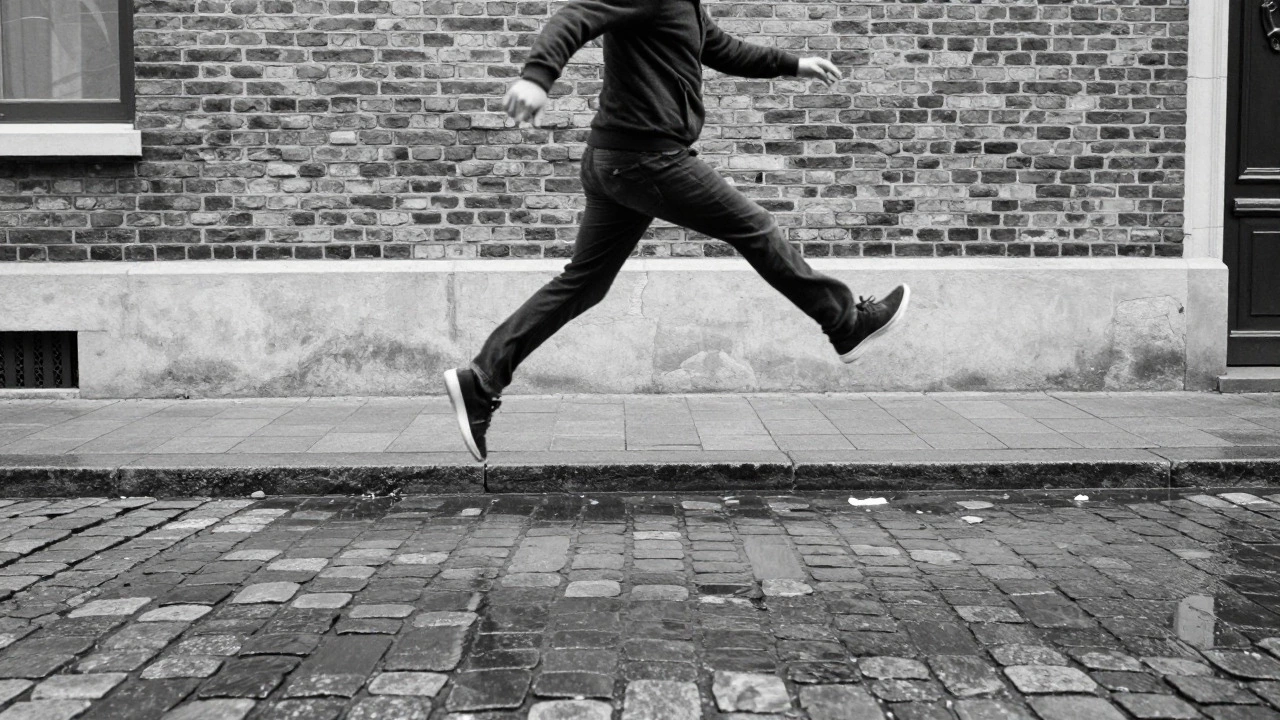
His image Behind the Gare Saint-Lazare, showing a man leaping over a puddle with a brick wall pattern reflected behind him, is one of the most analyzed photographs in history. It’s not just a picture of a jump; it’s a study in geometry, timing, and spontaneity. Bresson’s fame stems from his influence on how we see the world. He taught generations of photographers that you don’t need to stage a scene to find beauty; you just need to be ready when it happens. For purists and artists, Bresson is the most important photographer of the 20th century.
Social Conscience: Dorothea Lange
Fame can also come from changing society. Dorothea Lange is best known for her documentary photography during the Great Depression. Her image Migrant Mother, featuring Florence Owens Thompson and her children, became the symbol of the era’s hardship. This single photograph helped secure federal aid for migrant workers, demonstrating the power of photography to influence policy.
Lange’s work is intimate and empathetic. She got close to her subjects, capturing their dignity amidst despair. Unlike the grand vistas of Adams or the staged glamour of Leibovitz, Lange’s photos are raw and immediate. Her fame is tied to her role as a witness to history. When people think of photography as a force for good, Lange is often the first name that comes to mind. Her legacy reminds us that cameras can be tools for justice, not just art.
The Commercial Icon: Richard Avedon
Richard Avedon revolutionized fashion photography by turning models into characters with personalities. Before Avedon, fashion photos were static poses. Avedon introduced movement, humor, and psychological depth. He worked for Harper's Bazaar and Vogue, creating images that were as much about the model’s attitude as the clothes they wore.
Later in his career, Avedon shifted to stark, black-and-white portraits of ordinary Americans against a plain white background. Stripped of context, these faces revealed vulnerabilities and strengths that were often hidden. His book In the American West challenged stereotypes about cowboys, farmers, and outcasts. Avedon’s fame lies in his versatility and his ability to reinvent himself. He proved that a photographer could be both a commercial superstar and a serious artist.
Why There Is No Single "Most Famous"
So, who is the most famous photographer of all time? The answer depends on what you value. If you care about celebrity culture and media presence, it’s Annie Leibovitz. If you appreciate landscape art and technical perfection, it’s Ansel Adams. If you believe in the power of candid storytelling, it’s Henri Cartier-Bresson. If you see photography as a tool for social change, it’s Dorothea Lange. And if you admire the blend of fashion and psychology, it’s Richard Avedon.
Fame in photography is multifaceted. These photographers didn’t just take pictures; they shaped how we see the world. Their work continues to inspire new generations, proving that the impact of a photograph can last far longer than the flash that created it.
| Photographer | Primary Genre | Key Contribution | Iconic Work |
|---|---|---|---|
| Annie Leibovitz | Portrait/Celebrity | Defined modern celebrity imagery | John Lennon & Yoko Ono |
| Ansel Adams | Landscape/Fine Art | Zone System, environmental advocacy | The Tetons and the Snake River |
| Henri Cartier-Bresson | Street/Photojournalism | "The Decisive Moment" theory | Behind the Gare Saint-Lazare |
| Dorothea Lange | Documentary/Social | Humanizing the Great Depression | Migrant Mother |
| Richard Avedon | Fashion/Portrait | Psychological depth in fashion | In the American West |
How to Identify Influential Photographers Today
Finding the "most famous" photographer today is harder because the field is more diverse. Social media has democratized visibility, allowing photographers from around the world to gain large followings without traditional gatekeepers. However, true influence still comes from consistency, unique vision, and the ability to adapt to new technologies.
When evaluating contemporary photographers, look for those who:
- Have a distinct style: You should be able to recognize their work without seeing their name.
- Push boundaries: They experiment with new techniques, such as digital manipulation, drone photography, or AI-assisted editing.
- Engage with current issues: Their work reflects contemporary social, political, or environmental concerns.
- Build a community: They interact with their audience and collaborate with other artists.
Photographers like Sebastião Salgado, known for his epic black-and-white projects on global labor and migration, continue to draw massive audiences. Similarly, Steve McCurry, famous for his color-rich portraits like Afghan Girl, remains a giant in photojournalism. The definition of fame is evolving, but the core elements-impact, innovation, and resonance-remain the same.
The Role of Technology in Shaping Fame
Technology has played a huge role in how photographers become famous. In the past, access to darkrooms and expensive equipment limited who could enter the field. Today, smartphones allow anyone to take high-quality photos. Apps like Instagram have created a new kind of fame based on likes and shares rather than critical acclaim.
This shift has blurred the lines between professional and amateur. While this democratization is positive, it also means that standing out requires more than just a good camera. Photographers must develop a strong personal brand and narrative. The most famous photographers today are often those who combine technical skill with compelling storytelling and digital savvy.
Conclusion: Fame Is Multifaceted
There is no single answer to who is the most famous photographer of all time. Each of the giants mentioned-Leibovitz, Adams, Cartier-Bresson, Lange, and Avedon-dominated their respective fields and left an indelible mark on visual culture. Their fame endures because their work speaks to universal human experiences: love, loss, beauty, struggle, and hope.
As you explore photography, consider what resonates with you. Do you prefer the intimacy of portraiture, the grandeur of landscapes, or the immediacy of street scenes? Your preference will guide you to the photographers who feel most relevant to your own journey. In the end, the most famous photographer is the one whose work moves you.
Who is the most famous living photographer?
Annie Leibovitz is widely considered the most famous living photographer due to her extensive portfolio of celebrity portraits and her long-standing relationship with major publications like Vanity Fair and Vogue. Her work defines modern celebrity culture.
What makes Ansel Adams so famous?
Ansel Adams is famous for his stunning black-and-white landscape photographs of the American West, particularly Yosemite National Park. He developed the Zone System, a technical method for controlling exposure and development, which allowed him to achieve unparalleled detail and contrast in his images.
Who invented the concept of "the decisive moment"?
Henri Cartier-Bresson coined the term "the decisive moment" to describe the instant when all elements in a scene align perfectly to create a meaningful and aesthetically pleasing photograph. This concept is foundational to street photography and photojournalism.
Which photographer took the "Migrant Mother" photo?
Dorothea Lange took the iconic photograph "Migrant Mother" in 1936. The image depicts Florence Owens Thompson, a pea picker, and her children during the Great Depression. It became a symbol of the hardships faced by millions of Americans during that era.
How did Richard Avedon change fashion photography?
Richard Avedon transformed fashion photography by introducing movement, humor, and psychological depth. Instead of static poses, he captured models in dynamic actions, revealing their personalities and emotions. This approach made fashion photography more engaging and human.