Sep 11, 2025
Modern Art Principles Explained: Definitions, Reading Method, Examples, and Cheat Sheet
When you paint a landscape painting, a representation of natural scenery like mountains, valleys, trees, rivers, and skies. Also known as outdoor painting, it’s not about copying a photo—it’s about capturing how light moves, how space feels, and how the eye travels through a scene. Most beginners think they need tons of detail to make it look real. But the truth? Realism comes from value, not brushwork. Get the light and dark areas right, and even simple shapes will feel alive.
One of the biggest mistakes is ignoring the three layers that make a landscape work: foreground, the part of the scene closest to the viewer, often with clearer details and stronger colors, middle ground, the area where most of the action happens, like fields or hills, and background, the farthest part, usually softer, lighter, and cooler in tone to show distance. These aren’t just zones—they’re tools. Use them to guide the viewer’s eye, create depth, and avoid a flat, cut-out look. If your background looks like it’s glued on top, you’re missing this key trick.
Color matters, but not how you think. You don’t need a rainbow. Most successful landscape painters use just a few colors and mix them on the canvas. Warm colors like burnt sienna or yellow ochre pull things forward. Cool colors like ultramarine or phthalo blue push them back. And don’t overwork the sky—leave room for clouds to breathe. A muddy sky kills the whole painting. Also, stop painting every leaf. Paint the shape of the group. Let the eye fill in the rest.
Light is your silent partner. Notice how the sun hits one side of a tree and leaves the other in shadow. That contrast is everything. Don’t just paint what you think a tree looks like—paint how the light changes it. And if you’re stuck, try this: squint at your reference. What do you see? Just shapes of light and dark. That’s your painting.
You’ll find plenty of guides that say you need special brushes, expensive paints, or years of training. None of that’s true. What you need is patience, observation, and the willingness to paint the same hill three times until it feels right. The posts below give you real, tested methods—from how to build depth without blending everything to how to pick a color palette that actually works outdoors. No theory. No fluff. Just what helps you paint better next time you pick up a brush.
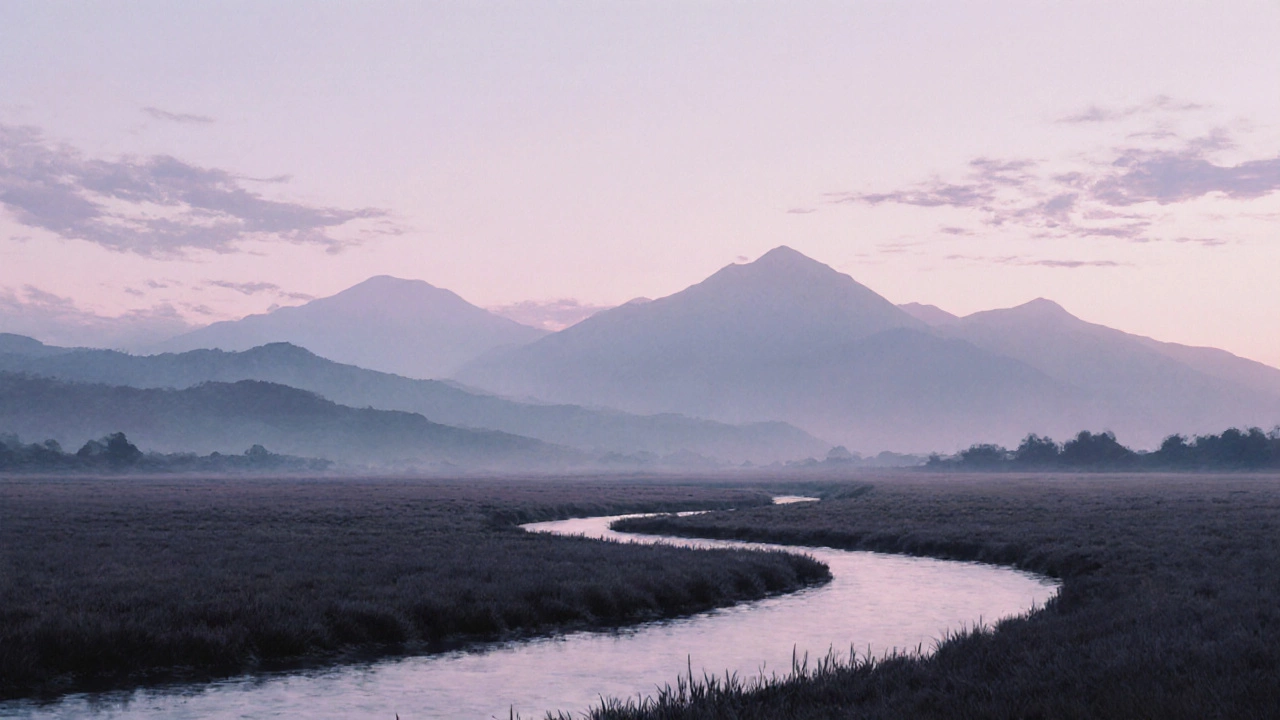
Learn the essential rules of drawing landscapes-from perspective and value to focal points and texture. These proven techniques help you create depth, mood, and realism without overworking details.