Mar 1, 2026
What Are the Criteria for Fine Art Photography?
When you draw landscapes, the process of capturing natural scenery like hills, trees, water, and skies on paper. Also known as landscape sketching, it’s not about copying a photo—it’s about seeing how light, distance, and shape work together to create depth. Most beginners think they need to draw every leaf or rock, but that’s not how it works. Realistic landscapes come from understanding three simple layers: the foreground, the part of the scene closest to you, where details are sharp and colors are strong, the middle ground, where objects start to soften and lose detail, and the background, where colors fade, edges blur, and everything feels distant. These layers are what make a flat drawing feel like a real place.
What you don’t draw matters just as much as what you do. A good landscape uses value—the range from dark to light—to show form, not lines. Try this: sketch the basic shapes of hills or trees with light pencil strokes, then decide where the light hits and where shadows fall. Darken the areas that are hidden or far away. Use less pressure as you move toward the horizon. That’s atmospheric perspective, and it’s the secret behind why distant mountains look hazy. You don’t need fancy tools. A pencil, paper, and an hour of quiet observation are enough. Many artists in Pembrokeshire sketch coastal cliffs or rolling fields using just these basics. They don’t wait for perfect weather—they work with what’s there.
Another key thing? Composition. Don’t put the horizon right in the middle of your page. Place it higher or lower to give more space to sky or land. Use natural lines—riverbanks, tree rows, ridges—to lead the viewer’s eye into the scene. These are the same rules used in landscape painting, and they work just as well in pencil. If you’ve ever looked at a photo and thought, "Why does this feel so calm?"—it’s because the artist knew how to arrange the elements. You can learn that too.
There’s no magic trick. No secret brushstroke. Just practice. Start small. Draw one tree, then a hill behind it. Add a path. Then a cloud. Each step builds your eye for distance, light, and shape. The posts below give you real, step-by-step methods from artists who’ve done this for years. You’ll find guides on shading, composition, and how to avoid the mistakes most beginners make. Whether you’re using pencil, charcoal, or digital tools, the principles stay the same. What you’re about to read isn’t theory—it’s what works on the ground, in the field, in Pembrokeshire and beyond.
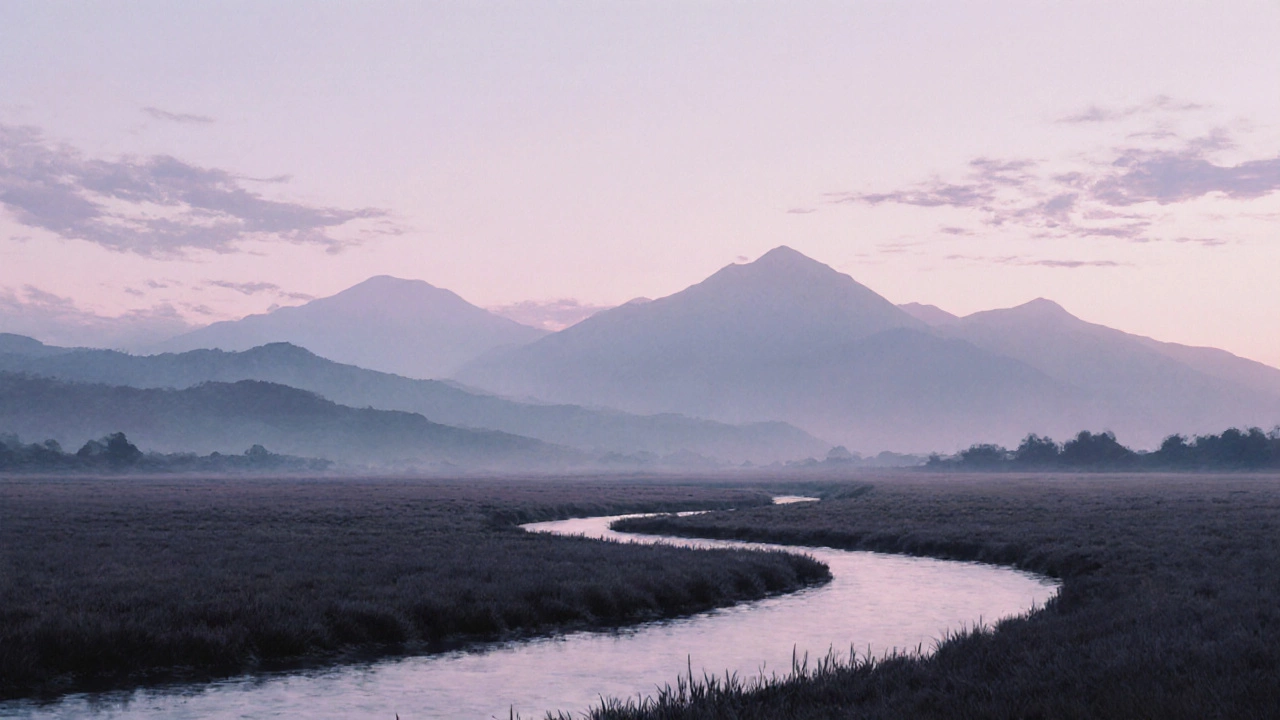
Learn the essential rules of drawing landscapes-from perspective and value to focal points and texture. These proven techniques help you create depth, mood, and realism without overworking details.