Feb 16, 2025
Sponging in Art: Exploring a Unique Oil Painting Technique
When you think of digital painting, a form of visual art created using digital tools instead of traditional brushes and canvas. Also known as computer-generated art, it’s not just pixels on a screen—it’s a full artistic process that demands the same understanding of light, color, and composition as oil or watercolor. You don’t need to be a tech expert to do it, but you do need to know how to use your tools intentionally. Many artists start with a tablet and a simple app, then grow into complex workflows that blend hand-drawn elements with AI-assisted layers. The line between traditional and digital is fading fast.
What makes digital painting, a form of visual art created using digital tools instead of traditional brushes and canvas. Also known as computer-generated art, it’s not just pixels on a screen—it’s a full artistic process that demands the same understanding of light, color, and composition as oil or watercolor. so powerful is how it connects to other modern art practices. AI-generated art, art created using machine learning models trained on vast datasets of images. Also known as generative art, it’s not replacing artists—it’s giving them new brushes to paint with. Artists now use AI to brainstorm compositions, refine textures, or even generate base layers they then hand-edit. Meanwhile, art tablets, pressure-sensitive devices that let artists draw directly on screen with stylus control. Also known as graphic tablets, they’re the primary tool for most digital painters today. The iPad Pro, Wacom Intuos, or Cintiq aren’t just gadgets—they’re extensions of the artist’s hand. And if you’ve ever wondered why digital art looks so clean or so detailed, it’s because artists spend hours mastering layering, blending modes, and brush settings—not because the software does it for them.
There’s a myth that digital painting is easy. It’s not. It’s just different. You still need to understand perspective, anatomy, and color theory. You still need to practice. The only thing that’s changed is the medium. Some artists switch from oil to digital because it’s faster to edit. Others stick with traditional methods because they love the texture. But more and more, you’ll see both in the same gallery. Digital painting isn’t a trend—it’s now a standard part of the art world. You’ll find it in museums, on NFT platforms, in film studios, and in indie game studios. It’s not about replacing the old ways. It’s about adding new ones.
Below, you’ll find real guides from artists who’ve walked this path. Whether you’re wondering if you need a tablet, how to make your digital work look less flat, or why some people still question if it’s "real art," the posts here answer those questions without the fluff. No theory without practice. No hype without results.
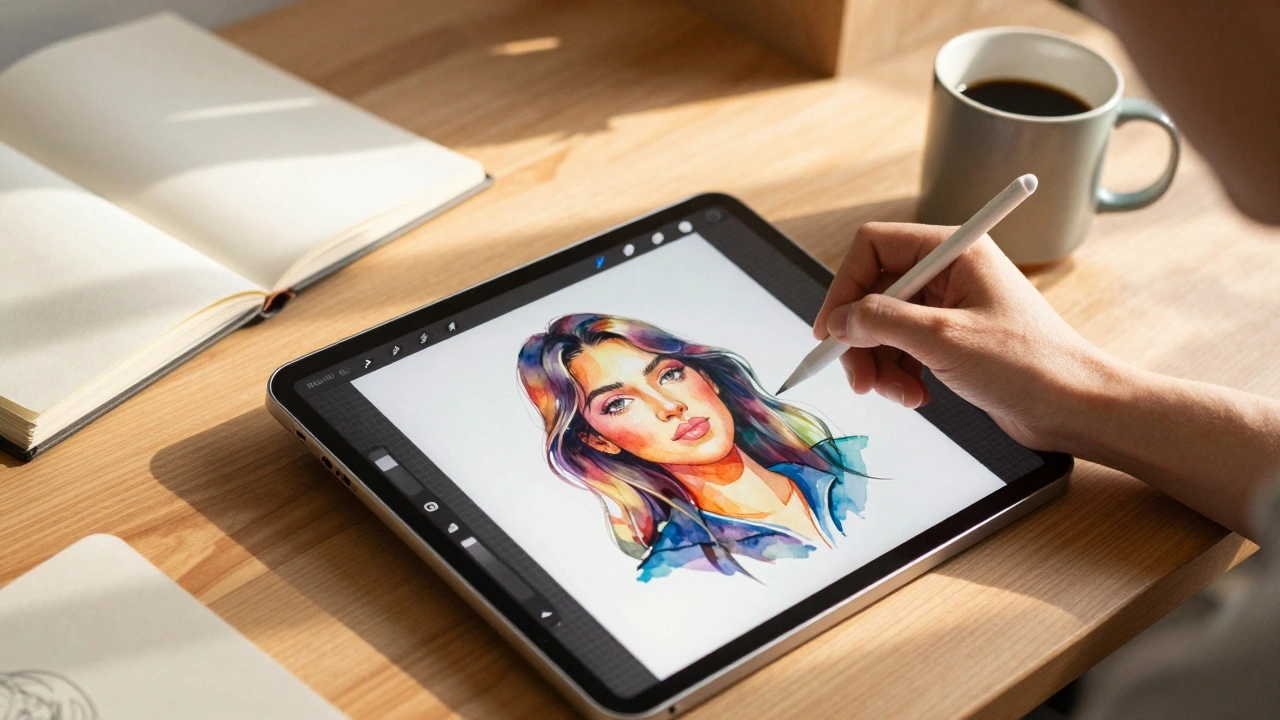
Procreate is the most popular digital art app in 2025, especially on iPad, but Krita, Clip Studio Paint, and Adobe Fresco are strong alternatives depending on your device and style. Find the right tool to match your workflow.