Feb 25, 2025
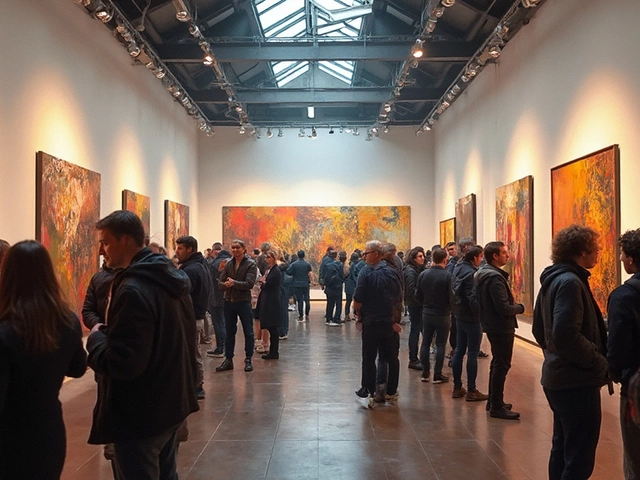
What Happens During an Art Exhibition?
When you look out over a hillside or across a misty valley, distant mountains don’t look sharp or bright—they fade into soft blues and grays. That’s atmospheric perspective, a technique artists use to show distance by altering color, contrast, and detail based on how air affects what we see. Also known as aerial perspective, it’s not about drawing lines or measuring angles—it’s about how light and air trick your eyes into feeling depth. You don’t need a ruler to use it. You just need to notice how the world actually looks.
Realistic landscapes don’t rely on sharp edges everywhere. In fact, the opposite is true. Objects close to you have strong contrasts, rich colors, and clear details. The farther away they are, the more they lose definition. A green field turns grayish-blue. A red barn fades into muted purple. Even the shapes soften. This isn’t just a rule—it’s how light behaves. When you paint a scene with atmospheric perspective, you’re not inventing style—you’re copying nature. And that’s why it works so well in oil painting, watercolor, and even digital art. It’s the secret behind why some landscapes feel like you could walk into them, while others look flat and lifeless.
Artists don’t just use this trick for realism. It’s also a mood tool. A hazy background can make a scene feel quiet, lonely, or dreamy. A sharp foreground with a foggy horizon creates tension. You’ll see this in every post below—whether it’s about how Van Gogh used color to suggest distance, how to paint realistic scenery without overworking details, or why skipping atmospheric perspective makes even the best-drawn landscapes fall flat. You’ll find practical tips on mixing the right cool tones, managing value shifts, and knowing when to let things go blurry. This isn’t theory. It’s the thing that separates amateur landscapes from ones that feel alive.
What you’ll find here aren’t abstract ideas. These are real techniques used by artists who paint in Pembrokeshire’s coastal light, in misty Welsh valleys, and under changing skies. Whether you’re working with oils, acrylics, or digital brushes, the same rules apply. You’ll learn how to make your backgrounds breathe, how to guide the viewer’s eye without forcing it, and why the simplest landscapes often win because they respect what the eye actually sees.
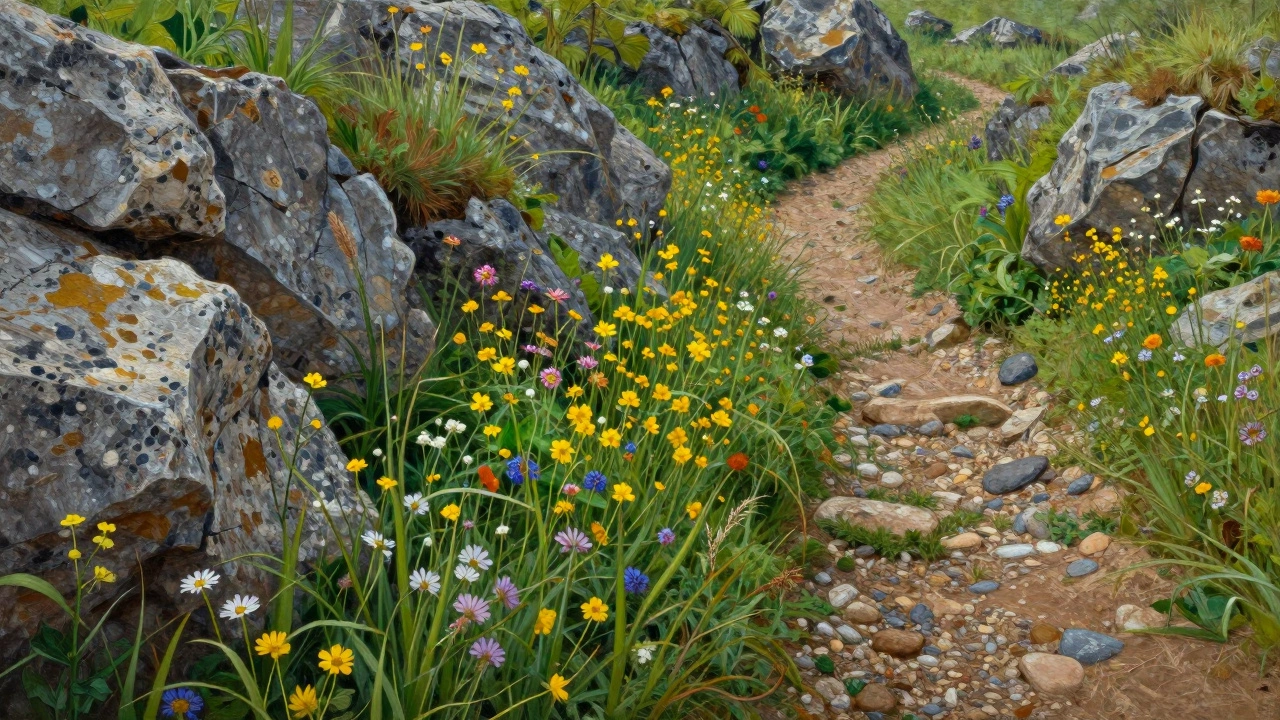
Learn the four essential parts of a landscape in art-foreground, middle ground, background, and atmospheric perspective-and how they create depth and realism in paintings.